
Generaliserat ångestsyndrom
Granskad av Dr Rachel Hudson, MRCGPSenast uppdaterad av Dr Philippa Vincent, MRCGPSenast uppdaterad 29 Sept 2023
Uppfyller patientens redaktionella riktlinjer
- Ladda nerLadda ner
- Dela
- Language
- Diskussion
- Ask Patient
- Ljudversion
- Lägg till i föredragna källor på Google
I denna serie:ÅngestSocial ångeststörningPanikattacker
People with generalised anxiety disorder (GAD) have increased anxiety levels on most days. This often causes people to feel fearful, worried and tense.
Överblick
Generalised anxiety disorder (GAD) causes excessive worry and anxiety most of the time.
Symptoms include restlessness, muscle tension, tiredness, poor sleep, and difficulty concentrating.
The cause of GAD is unclear, but genetics, childhood trauma, or major life stress may play a part.
Treatment options include talking therapies like CBT, self-help methods, and medicines.
Lifestyle changes such as exercise, healthy eating, and avoiding caffeine can help manage symptoms.
Stöd för psykisk hälsa för vuxna och barn
Online-KBT och psykologisk terapi för vuxna och barn i åldern 8–17 år. Onebrights ackrediterade kliniker hjälper personer som upplever ångest, depression och andra känslomässiga utmaningar.
What is generalised anxiety disorder?
Generalised anxiety disorder (GAD) is a mental health condition in which people experience excessive worry, fear, and ångest most of the time. The condition can persist long-term.
Some of the physical symptoms of anxiety may come and go. Anxiety may be about various stresses at home or work, sometimes about quite minor things or things which seem minor to others. Sometimes people don't understand why they are anxious.
It can be difficult to tell the difference between normal mild anxiety in someone with an anxious personality and someone with GAD.
Symptoms of generalised anxiety disorder
As a rule, symptoms of GAD cause distress and affect day-to-day activities. In addition, there will usually be some of the following symptoms:
Feeling restless, on edge, irritable,
Muscle tension or aches.
Tiring easily.
Difficulty concentrating and the mind going blank quite often.
Poor sleep (sömnlöshet). Usually it is difficulty in getting off to sleep.
Excessive sweating.
GAD is not the diagnosis if anxiety is only about one specific thing. For example, if anxiety is usually caused by fear of one thing then it is more likely to be a phobia.
Who develops generalised anxiety disorder?
GAD develops in about 1 in 50 people at some stage in life. Twice as many women as men are affected. It usually first develops between the ages of 20 and 30ut is frequently being recognised in older people.
What causes generalised anxiety disorder?
The cause is not clear. The condition often develops for no apparent reason. Various factors may play a part. For example:
Genetic 'makeup' may be important. Some people have a tendency to have an anxious personality, which can run in families.
Childhood traumas, such as abuse or death of a parent, may make people more prone to anxiety as they become older.
A major stress in life may trigger the condition, for example, a family crisis or a major civilian trauma such as a terror attack. But the symptoms then persist when any trigger has gone. Common minor stresses in life, which may otherwise have been easily coped with, may then keep the symptoms going once the condition has been triggered.
Some people who have other mental health problems such as depression eller schizofreni may also develop GAD.
How is generalised anxiety disorder diagnosed?
If the typical symptoms develop and persist then a clinician can usually be confident that the diagnosis is GAD. Current guidelines from the International Classification of Diseases tenth edition (ICD-10) suggest the diagnosis should be made if the symptoms have lasted for six months but it is sometimes difficult to be sure whether the diagnosis is GAD, panikstörning, depression, or a mixture of these conditions.
Some of the physical symptoms of anxiety can be caused by physical problems which can be confused with anxiety. So, sometimes other conditions may need to be ruled out. For example:
Drinking a lot of caffeine (in tea, coffee and cola).
The side-effect of some prescribed medicines. For example, selective serotonin reuptake inhibitor (SSRI) antidepressants.
En overactive thyroid gland.
Taking some street drugs.
Certain heart conditions which cause the sensation of having a 'thumping heart' (hjärtklappning) - uncommon.
Low blood sugar level (rare).
Tumours which make too much adrenaline (epinephrine) and other similar hormones (very rare).
How is generalised anxiety disorder treated?
Talking treatments and other treatments not using medication
Cognitive behavioural therapy (CBT) and GAD
Kognitiv beteendeterapi is a type of therapy that deals with current thought processes and/or behaviours and aims to change them through creating strategies to deal with negative patterns, which may help to manage GAD more effectively.
Counselling
In particular, counselling that focuses on problem-solving skills may help some people.
Anxiety management courses
These may be an option if they are available. Some people prefer to be in a group course rather than have individual therapy or counselling. The courses may include learning how to relax, problem-solving skills, coping strategies and group support.
Self-help
There are lots of books or websites which can help. Understanding the condition can sometimes help reduce or manage symptoms.
Exercise has been shown to be very beneficial in GAD. Relaxation techniques or activities such as yoga or meditation can help reduce symptoms of GAD. Eating a healthy diet, avoiding caffeine and alcohol and stopping smoking can also all help GAD. Trying to be around other people also helps. Social isolation can be caused by GAD (if people are anxious to go out or feel more anxious around others) but it tends to make GAD symptoms worse; going to work or school and meeting with other people makes GAD better in the long-term.
See the separate leaflet called Stress Management.
Medication for generalised anxiety disorder
Antidepressant medication
Antidepressants are not only useful for depression but also for GAD. Studies suggest that over half the people with GAD are helped by antidepressants. It's thought that they work by interfering with the way chemicals such as serotonin work within the brain.
Antidepressants are particularly beneficial in the sub-type of GAD where anxiety is mixed with depression. SSRI-antidepressiva are commonly used and escitalopram och paroxetine are both licensed for this condition. SNRI (serotonin norepinephrine reuptake inhibitor) antidepressants such as venlafaxine and duloxetine are also licensed for GAD.
These medications can take a few weeks to start working. They can also have side
-effects such as muntorrhet, nausea, and diarrhoea.
Tranquillisers
Bensodiazepiner, såsom diazepam, used to be the most commonly prescribed medicines for anxiety. They sometimes work well in the very short term but they are addictive and lose their effect if taken regularly. They may also cause drowsiness. They are not used for persistent anxiety conditions now and are not licensed for this condition.
Buspirone
Buspirone is another option to treat GAD. It is an anti-anxiety medicine but different to the benzodiazepines. It is only licensed for short-term use.
Pregabalin
Pregabalin is a medicine used for several conditions (it was initially mainly used for epilepsi but is often now used for chronic pain). It has been found useful in GAD.
Beta-blocker medicines
Beta-blockers, such as propranolol, tend to work better in short-lived (acute) anxiety rather than in GAD and so are not usually considered appropriate treatment here. However some people do benefit from regular beta-blockers.
A combination of treatments
CBT plus an antidepressant medicine may work better in some cases than either treatment alone.
Complications of generalised anxiety disorder
People with GAD are more likely than average to smoke heavily, drink too much alcohol and take gatudroger. Each of these things may ease anxiety symptoms in the short term but nicotine, alcohol or drugs all make GAD worse in the long term as well as affecting general health and well-being.
What is the outlook for generalised anxiety disorder?
GAD gets better in many people; in others it tends to come and go. Some people need to take medicines for a long time but are otherwise able to lead perfectly normal lives.
Symptoms may flare up and become worse for a while during periods of major life stresses.
Most people can manage GAD with a combination of therapy, medication, and lifestyle changes.
Patientval för Ångest
Mentalt välbefinnande
Ångest
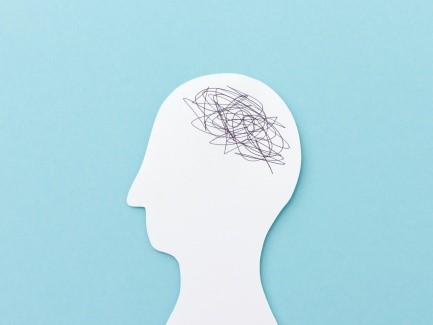
De flesta människor känner sig oroliga då och då. Men ångest kan bli onormal om den stör dina dagliga aktiviteter. Ångest är ett symptom på olika ångeststörningar. De kan ofta behandlas. Behandlingar inkluderar olika samtalsterapier och medicinering.
av Dr Colin Tidy, MRCGP

Mentalt välbefinnande
Panikattacker
A panic attack is a severe attack of anxiety and fear which occurs suddenly, often without warning, and for no apparent reason.
av Dr Colin Tidy, MRCGP
Vanliga frågor
Does GAD get worse with age?
GAD can be recognised in older people, even though it usually first develops between the ages of 20 and 30. Symptoms may also flare up and become worse during periods of major life stresses.
Can certain physical conditions mimic GAD symptoms?
Yes, some physical problems can cause symptoms similar to anxiety, which might be confused with GAD. Examples include consuming a lot of caffeine, side-effects from certain prescribed medicines like SSRI antidepressants, an overactive thyroid gland, or taking some street drugs.
Are there any specific types of counselling that are particularly helpful for GAD?
Counselling that specifically focuses on problem-solving skills has been noted as potentially helpful for some individuals with GAD.
How long do antidepressant medications typically take to start relieving GAD symptoms?
Antidepressant medications generally take a few weeks to begin working and showing their full effects in treating GAD symptoms.
Why are tranquillisers like benzodiazepines not commonly used for long-term GAD treatment anymore?
Benzodiazepines, such as diazepam, are not typically used for persistent anxiety conditions like GAD because they can be addictive and tend to lose their effectiveness if taken regularly. They are also not licensed for long-term use in this condition.
Vidare läsning och referenser
- Generalised anxiety disorder and panic disorder in adults: management; NICE Clinical Guideline (January 2011 - updated June 2020)
- Social ångestsyndrom: igenkänning, bedömning och behandling; NICE Klinisk Riktlinje (Maj 2013)
- Generalized anxiety disorder; NICE CKS, februari 2023 (endast tillgång i Storbritannien)
Om författarenVisa fullständig biografi
Uppdaterad av

Dr Philippa Vincent, MRCGP
Allmänläkare, Medicinsk Författare
MB BS, Bsc, MRCGP (2000), DCH, DFSRH, DRCOG
Dr Philippa Vincent är en NHS-läkare som arbetar i norra London.
Om recensentenVisa fullständig biografi

Dr Rachel Hudson, MRCGP
Allmänläkare och medicinsk författare
MBChB, MRCGP (2008), BSc (Medical Science), DFSRH, DRCOG, DCH
Dr Rachel Hudson är en NHS-läkare som arbetar i nordvästra England.
Artikelhistorik
Artikeln finns också på Engelska, Tyska, Spanska, Franska, Italienska, Portugisiska, Hindi, Hebreiska, Arabiska, och Svenska.
Next review due: 27 Sept 2028
29 Sept 2023 | Senaste versionen
Medicinska yrkesverksamma
Looking for more in-depth clinical detail? Our Professional Reference articles are written for doctors, nurses and other healthcare professionals. They include comprehensive clinical guidance, diagnostic information and UK/European evidence summaries. If you need the clinical version, you can read the Professional Reference article on this topic.
Dela dina tankar eller erfarenheter med andra i vår patientgemenskaper.
Enkel tillgång till pålitliga behandlingar och hälsotjänster online.
Common conditions
Get help with common conditions through the NHS, without a GP appointment.





Anmäl dig till Patientens nyhetsbrev
Din veckovisa dos av tydliga, pålitliga hälsoråd - skrivna för att hjälpa dig känna dig informerad, självsäker och i kontroll.
Genom att prenumerera accepterar du våra Sekretesspolicy. Du kan avsluta prenumerationen när som helst. Vi säljer aldrig dina uppgifter.