Insomnia linked to increased risk of heart disease and stroke
Peer reviewed by Natalie HealeyLast updated by Ashwin BhandariLast updated 20 Aug 2019
Meets Patient’s editorial guidelines
- DownloadDownload
- Share
- Language
- Discussion
- Audio Version
- Add to preferred sources on Google
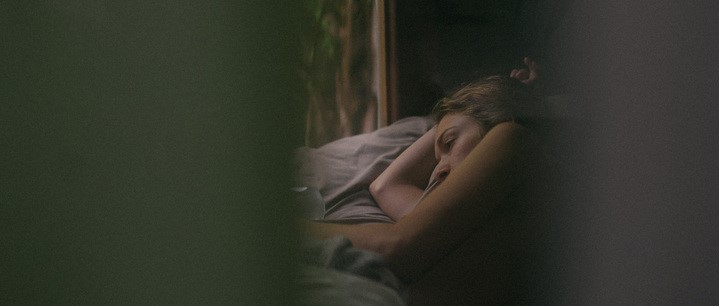
People who struggle to get a good night's rest may be at greater risk of developing cardiovascular problems, according to new research.
Scientists have found people who are genetically predisposed to insomnia have a higher risk of heart failure, stroke and coronary artery disease.
Based on previous research, they discovered frequent links between poor sleep and cardiovascular problems. Their study suggests insomnia could play a role in causing such conditions.
Up to 250 genes have been linked to insomnia. The researchers found these were associated with significantly higher odds of coronary artery disease, heart failure and ischaemic stroke - particularly large artery stroke, but not atrial fibrillation. 1.3 million participants were studied.
"It's important to identify the underlying reason for insomnia and treat it," said Dr Susanna Larsson, lead study author and associate professor of cardiovascular and nutritional epidemiology at Karolinska Institutet in Stockholm, Sweden. "Sleep is a behaviour that can be changed by new habits and stress management."
However, the study looked at participants who already had a genetic predisposition to insomnia, rather than how much sleep individuals actually managed per night.
Michael Holmes, of the University of Oxford who was not involved in the research, told the Guardian it was not clear whether sleep loss based on the genetic variants increased the risk of cardiovascular disease, or whether the link was because of genetic variants triggering other effects.
He said: "This study doesn't allow us to conclude that insomnia causes cardiovascular disease. Rather, all we can say is that individuals carrying genetic variants linked to a higher risk of insomnia also have a higher risk of cardiovascular disease."
The research is published in Circulation.
Patient picks for Sleep and insomnia
Healthy living
Does getting good sleep really improve your skin?
Sleep is where your body and mind recharges, restores, and heals itself. During good sleep, your body prevents and repairs skin cell damage, significantly improving not only your skin's appearance but its strength and ability to protect against harmful external elements. On the other hand, poor sleep can increase inflammation, which can make certain skin conditions worse.
by Lynn Stephen
Healthy living
What are sleep trackers and do they work?
Sleep trackers have experienced a surge in popularity over recent years. As a nation, we seem to be extremely curious about what's happening with our bodies while we sleep. But, before you start spending money on sleep tracking devices or downloading apps, it may be helpful to understand a bit more about how and whether they work.
by Emily Jane Bashforth
About the authorView full bio

Ashwin Bhandari
Medical Writer
BA Journalism
About the reviewerView full bio

Natalie Healey
Freelance journalist
BSc (Hons) Biomedical Science
She is a London-based health journalist who has been writing about science and medicine for several years. She is the former head of editorial at Patient.
Article history
The information on this page is peer reviewed by qualified clinicians.
Article also available in English, German, Spanish, French, Italian, Portuguese, Hindi, Hebrew, Arabic, and Swedish.
20 Aug 2019 | Latest version
Join the conversation
Share your thoughts or experiences with others in our patient communities.

Ask, share, connect.
Browse discussions, ask questions, and share experiences across hundreds of health topics.

Feeling unwell?
Assess your symptoms online for free
Sign up to the Patient newsletter
Your weekly dose of clear, trustworthy health advice - written to help you feel informed, confident and in control.
By subscribing you accept our Privacy Policy. You can unsubscribe at any time. We never sell your data.
More in healthy living
- 1 in 10 people have encountered a near-death experience
- Can creatine supplements help build muscle?
- Domestic abuse survivors more likely to develop serious mental illness
- How long should a power nap be?
- How poor posture impacts more than just your back
- How to keep kids active over the summer
- How to tell if a drink has been spiked
- How your teeth can affect your self-esteem
- Is the term 'wellness' problematic?
- Is video game addiction real?
- Is your lifestyle impacting your sex drive?
- One in five hospital patients have a problem with alcohol
- Pregnancy insomnia: how to get better sleep while pregnant
- Smoking could lead to sight loss, warn optometrists
- The link between anxiety and insomnia
- The warning signs of a drinking problem
- What causes sleep paralysis?
- What is person-centred counselling?
- What mental health support is available to veterans?
- What to do if you feel lonely