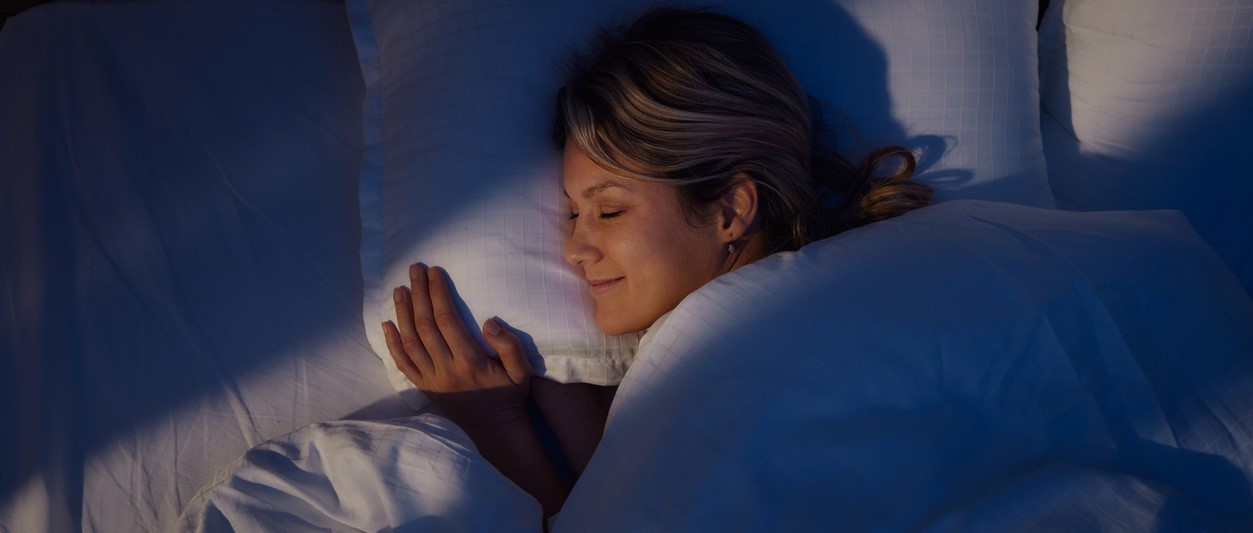
How to sleep better
Peer reviewed by Dr Krishna Vakharia, MRCGPLast updated by Amberley DavisLast updated 13 Feb 2024
Meets Patient’s editorial guidelines
- DownloadDownload
- Share
- Language
- Discussion
- Audio Version
- Add to preferred sources on Google
Insomnia is very common - with at least 1 in 3 people having problems sleeping. But simple changes can make a difference to your ability to sleep well. So how do you and your pillow become friends again?
Sleep deprivation can make you grumpy and miserable, it can affect your concentration, and make you more prone to accidents. But importantly, long-term insomnia can increase your risk of heart attack, stroke and type 2 diabetes. I share my tips on how to sleep better.
Create a space for sleeping
Keep your bedroom dark and quiet
Your bedroom should be a sanctuary for sleep. All too many of us use our bedrooms as a second office or sitting room - watching TV, using smartphones, even eating.
Your mind should subconsciously associate your bedroom with sleep. Blue light from electronic devices disrupts your sleep and an exciting late-night movie can set your mind whirring.
Keep your bedroom quiet and really dark - ban pinging smartphones and ticking clocks - and develop a wind-down bedtime ritual that ends with you getting into bed. Reading a book for a few minutes before lights out is fine.
Invest in a new mattress and bedding
Your bed makes a big difference to your quality of sleep too. An uncomfortable pillow or mattress can make it hard to drift off or wake you from sleep. And hot blankets or a duvet can leave you waking up sweating, especially around the menopause.
Invest in a new mattress and bedding if yours is old and consider layers of bedclothes to avoid getting too hot or cold.
Look at your lifestyle
What you get up to during the day can have a big effect on how you sleep at night.
Curb caffeine
In moderate amounts, caffeine is safe, can count towards your daily fluid intake and may even reduce the risk of dementia. But it's often used by shift workers and students for a reason - it keeps you awake.
If you're struggling to sleep, try decaff drinks from early afternoon. And bear in mind that energy drinks, colas and even chocolate contain caffeine too.
Don't sleep on a full stomach
Stomach acid can reflux into your gullet much more easily when you're lying down, as it doesn't have to travel against gravity. If you suffer from heartburn, avoid eating for at least three hours before bed to avoid being troubled by burning pain behind the breastbone.
Get active
Exercise is a great way to improve sleep, but avoid exercising too close to bedtime, when it can have the opposite effect.
Alcohol doesn't help
You may think alcohol helps you get to sleep but it leads to poor-quality sleep and early waking. Keep your alcohol intake down for better sleep.
Be realistic
Most people assume they need eight hours of sleep a night. While the average is 7-9 hours, if you only sleep six hours a night but don't feel tired the next day, that could be normal for you.
Sleeping tablets are not the answer
Sleeping tablets only work in the short term and are highly addictive. What's more, they increase the risk of accidents and have been linked to a higher risk of death. If you're taking them regularly, speak with your GP about how to wean yourself off.
Put worries to bed
It's easy for your mind to start working overtime when you turn off the light. You may start turning over the day's stresses, worrying about how you're going to solve them. Obviously you can't solve them from bed and they'll still be there in the morning. So make an active effort to put your worries to bed before you put yourself down.
If necessary, jot down a list of things you need to do the next day, an hour or two before bedtime. If your mind does turn to them, don't get cross with yourself - just stop and gently remind yourself they don't belong in the bedroom. It will take a while, but it's a good habit to get into.
Could there be a medical problem?
Obstructive sleep apnoea is a condition in which your airways close when you're asleep, temporarily blocking off air. Sufferers - who almost always snore - can go through hundreds of episodes a night where they stop breathing and jerk partly awake. You may not realise you're waking, but it often leads to sleepiness the next day.
Pain can also disrupt sleep. Restless legs syndrome leads to fidgety, uncomfortable legs which mean you need to keep moving around. If you think you might have one of these conditions, see your GP.
With thanks to My Weekly magazine, where this article was originally published.
Patient picks for Sleep and insomnia

Healthy living
CBT for insomnia: how does it work?
If you struggle to sleep at night, it may be that unhelpful thoughts, behaviours, and habits are causing the problem. These can be hard to change on your own - and that's where CBT for insomnia can help. This therapy teaches you how to change the way you think about your sleep problems, which can be the key to solving them.
by Amberley Davis

Healthy living
Should you keep a dream journal?
Journaling can be seen as a light-hearted activity, and writing in notebooks throughout the day might not be something we give much thought to. However, recording your dreams can offer benefits for your mental health and the quality of your sleep.
by Emily Jane Bashforth
About the authorView full bio

Dr Sarah Jarvis
Clinical Consultant
MA (Cantab), BM, BCh (Oxon), DRCOG, FRCGP, MBE
After training in medicine at Cambridge and Oxford, Dr Sarah Jarvis MBE became a GP.
About the reviewerView full bio

Dr Krishna Vakharia, MRCGP
Chief Medical Officer for Health, Optum UK
MBChB, MRCGP(2013), BMedSci (hons), DFSRH, DRCOG, PGDipDerm (Distn)
Dr Krishna Vakharia is an NHS GP. She is also a regular examiner for the postgraduate Diploma in Practical Dermatology at Cardiff University as well as being the Chief Medical Officer for health at Optum UK.
Article history
The information on this page is peer reviewed by qualified clinicians.
Article also available in English, German, Spanish, French, Italian, Portuguese, Hindi, Hebrew, Arabic, and Swedish.
13 Feb 2024 | Latest version
11 Feb 2020 | Originally published
Authored by:
Dr Sarah Jarvis
Join the conversation
Share your thoughts or experiences with others in our patient communities.

Ask, share, connect.
Browse discussions, ask questions, and share experiences across hundreds of health topics.

Feeling unwell?
Assess your symptoms online for free
Sign up to the Patient newsletter
Your weekly dose of clear, trustworthy health advice - written to help you feel informed, confident and in control.
By subscribing you accept our Privacy Policy. You can unsubscribe at any time. We never sell your data.
More in healthy living
- 8 high-protein nuts to boost your strength
- Diabetes burnout - how mindfulness can support your mental wellbeing
- Does apple cider vinegar help with weight loss?
- Does stress cause weight gain?
- Does vaping age or damage your skin?
- How to fix your sleep schedule with a healthy bedtime routine
- Is bed rotting helping or harming our health?
- Is running bad for your knees?
- Is your lifestyle impacting your sex drive?
- NewLet’s talk about dating app burnout
- Mounjaro weight loss injections: FAQs
- Parental burnout: your guide to understanding and overcoming it
- Sleep diary
- Walk, jog, repeat: what is Jeffing?
- What to do when your child can't sleep
- UpdatedWhat your waist measurement says about your health
- Why fad diets can actually lead to weight gain
- Why walking your dog can boost your mental health
- NewYoung-onset dementia - what you need to know