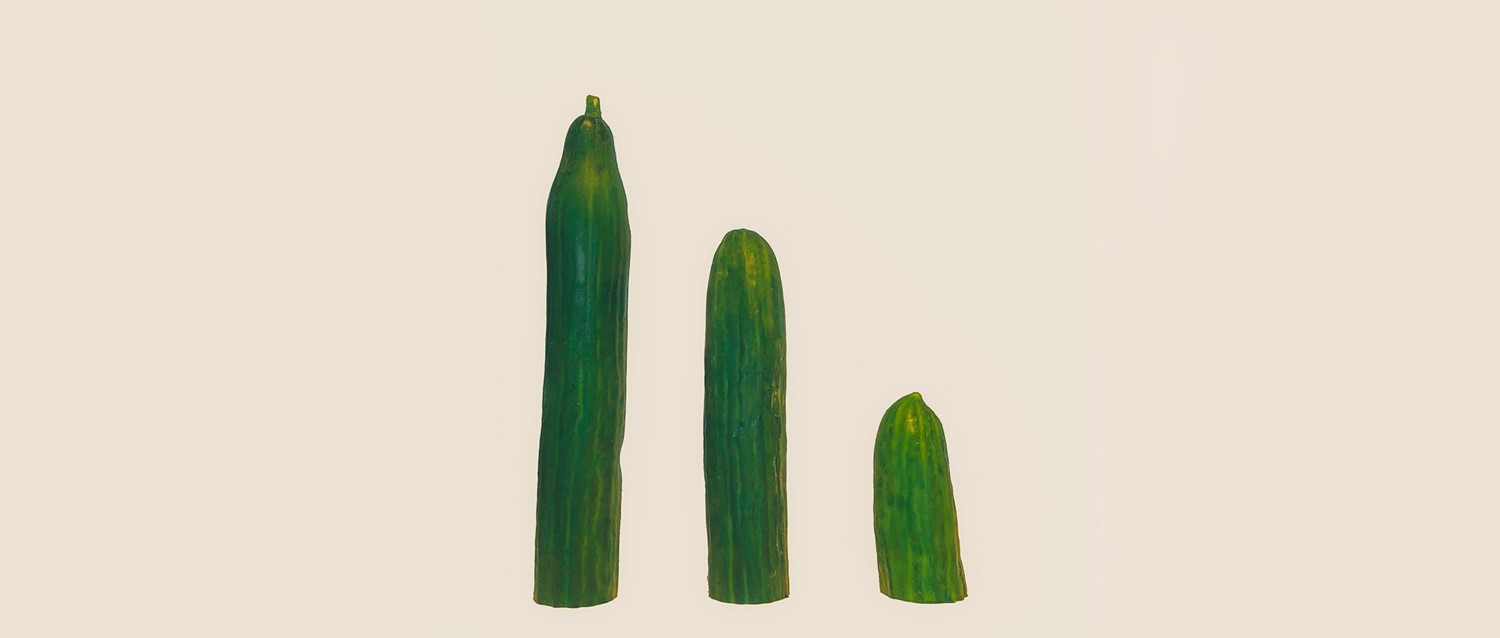
Are erection problems getting more common in young men?
Granskad av Dr Sarah Jarvis MBE, FRCGPSenast uppdaterad av Abi MillarLast updated 7 Dec 2018
Uppfyller patientens redaktionella riktlinjer
- Ladda nerLadda ner
- Dela
- Language
- Diskussion
- Ljudversion
- Add to preferred sources on Google
Erectile dysfunction (ED) is often typified as an issue for older men. With many potential causes, ranging from högt blodtryck to typ 2 diabetes, it is very common in middle age and beyond.
What is less often discussed is the fact younger men can be susceptible too. While it's hard to know the precise proportion, not least because so many men are too embarrassed to see a doctor, what we do know is that many 20- and 30-somethings are suffering in silence.
I den här artikeln:
Video picks for Men's sexual health
One studie found that ED affected 26% of men under 40, half of whom had severe ED. Other research, from the Massachusetts Male Ageing Study, has suggested that the proportion of men with mild or moderate ED correlates roughly with their decade in life (50% of men in their 50s, 70% of men in their 70s, etc).
More headline-grabbing was a recent studie by Co-op Pharmacy, which suggested that 50% of men in their 30s struggled with ED (the highest percentage of any age group). Almost half these men cited stress from their work and personal life as the culprit.
Though this study may not pass muster scientifically, it does at least point to some explanations for what's occurring - namely that among younger men, the causes are less likely to be physical.
As Dr Anand Patel, a GP specialising in sexual problems, explains, the younger the man is, the higher the probability that the ED has a psychological component.
"It's very difficult to get large sample sizes of young men who admit to not being able to get a good erection - it's not something that's really talked about," he says. "But there's a ballpark figure that 40% of 40 year-olds and under are complaining of some sort of erection problem. Of that 40%, 60% will be psychological, so a large proportion will be ångest-related, or there's a porn problem, or depression, which reduces your libido."
Fortsätt läsa nedan
Psychological causes
Clinically speaking, ED is classed as a constant or recurrent ability to maintain an erection. This means if you have the occasional off night (perhaps under the influence of drugs or alcohol) there's no cause for concern. However, if that 'off night' sparks performance anxiety, leading to a pattern of off nights, it's wise to look into getting treatment.
Physiologically, what’s happening is quite simple. When you're feeling anxious, your body releases a surge of stress hormones such as adrenaline, the 'fight or flight' chemical. This narrows blood vessels, reducing blood flow to the penis.
With depression, you may experience a loss of interest in activities you normally enjoy (including sex), along with sadness, fatigue and a sense of worthlessness. This is hardly conducive to optimum sexual function. In one 2015 studie, 12.5% of men being treated for sexual disorders also had depression, and nearly a quarter had anxiety.
"If you're an anxious person you might want to speak with your GP about getting kognitiv beteendeterapi," says Patel. "If therapy isn’t working quickly enough or isn't available, you could start anti-anxiety medication or antidepressiva, but unfortunately these can have some sexual side-effects. You might take much longer to ejaculate or experience a reduction in libido."
He points out that there are other medications available that don't have these undesirable side-effects. If you think your medication is contributing to your ED, talk with your doctor.
Is porn to blame?
Tillbaka till innehållBeyond these kinds of mental health problems, Patel thinks there's another common culprit for ED in younger men, namely porn-induced erectile dysfunction (PIED).
Whether this is a widespread phenomenon, we don't know - cause and effect can get jumbled here, and it's hard to say whether the ubiquity of porn truly leads to higher ED rates. However, for a minority of men the pattern holds. They can easily maintain an erection while watching porn, only to struggle with a partner.
"When you're in your teens watching pornography, that is your learned sexual experience," explains Patel. "It becomes your brain's way of relating to sex and it's hugely problematic, because making love to your laptop avoids all the social nuances and physicality of having sex."
Not only does porn lead to unrealistic expectations about sex (including what your own and your partner's bodies ought to look like), it can also mean you get used to self-stimulation and become less responsive to the sensations of intercourse. Patel also thinks it can prime you to respond first and foremost to novelty.
"With porn you're going from video to video, and from new person to new person, which is highly arousing," he says. "When you try to translate that into real life with one single person, that relationship can decrease its value in terms of novelty and excitement and become less arousing."
If your porn use is causing problems, it may be helpful to see a psychosexual specialist (your GP should be able to refer you). You can also visit websites such as Your Brain on Porn, which recommend abstinence. The idea is that you treat the addiction by stopping the stimulus.
Fortsätt läsa nedan
Andra orsaker
Tillbaka till innehållIt's worth mentioning that while ED in younger men is commonly psychological, that isn't universally the case. According to one recent studie, cardiovascular and metabolic risk factors are often under-looked among this age group.
"It would be unlikely for a young person to have a heart problem or kolesterol problem. but not impossible," says Patel. "And it's uncommon for a 20-something to have such bad diabetes that it damages the nerves to the penis, but I have seen it happen. Kidney problems and liver problems can also contribute to erection problems."
Another possible issue is Peyronie's disease, where there's a significant bend to the penis, caused by scar tissue. And if you've always had a problem getting an erection, it could be that the blood flow to your penis is somehow restricted. This is not to mention the unhealthy lifestyle choices (a bad diet, smoking, not enough exercise) that can affect vascular function.
"There are also some genetic conditions where your testicles don't make much testosterone - that might be an issue in itself," says Patel.
He adds that, while Viagra and similar medications help many men with ED, for proper sexual functioning it's important to address what's truly going on.
"Some people with erection problems take Viagra and get their erections back, but as they get older they find their erections start to go away, even with Viagra. That's because they don't really know what they're aroused by," he says.
In essence then, if you're struggling with ED there could be a number of different issues at play, and what holds true for you may not hold true for someone else. It's worth setting aside any embarrassment and having an honest conversation with your doctor.
Patient picks for Men's sexual health
Sexuell hälsa
Can men get thrush?
Three quarters of women will have a bout of vaginal thrush in their lifetime, and half will experience recurrences, but how does the condition affect men? Can thrush be sexually transmitted between partners? We dispel some misconceptions about this common yeast infection.
av Sally Turner

Sexuell hälsa
The male reproductive system
The organs and structures of the male reproductive system give men the ability to fertilise a woman's egg (ovum) to produce a baby.
av Dr Mary Harding, MRCGP
Fortsätt läsa nedan
About the authorView full bio

Abi Millar
Freelance Journalist
BA (Hons), MA
Abi is a freelance journalist with a special interest in health and medicine writing.
About the reviewerView full bio

Dr Sarah Jarvis MBE, FRCGP
Clinical Consultant
MA (Cantab), BM, BCh (Oxon), DRCOG, FRCGP, MBE
After training in medicine at Cambridge and Oxford, Dr Sarah Jarvis MBE became a GP.
Artikelhistorik
Informationen på denna sida är granskad av kvalificerade kliniker.
7 Dec 2018 | Senaste versionen

Fråga, dela, anslut.
Bläddra i diskussioner, ställ frågor och dela erfarenheter inom hundratals hälsorelaterade ämnen.

Känner du dig sjuk?
Bedöm dina symtom online gratis
Anmäl dig till Patientens nyhetsbrev
Din veckovisa dos av tydliga, pålitliga hälsoråd - skrivna för att hjälpa dig känna dig informerad, självsäker och i kontroll.
By subscribing you accept our Sekretesspolicy. Du kan avsluta prenumerationen när som helst. Vi säljer aldrig dina uppgifter.