When will I become fertile again after coming off contraception?
Granskad av Dr Krishna Vakharia, MRCGPAuthored by Lydia SmithUrsprungligen publicerad 22 Nov 2023
Uppfyller patientens redaktionella riktlinjer
- Ladda nerLadda ner
- Dela
- Language
- Diskussion
- Ljudversion
- Add to preferred sources on Google
If you want to have a baby, you’ve probably got a lot of questions - including how long it can take for you to become fertile again if you’ve been on the contraceptive pill or the coil. And while everyone is different, here’s what we know about fertility after coming off different kinds of contraception.
I den här artikeln:
Video picks for Preventivmedel
Fortsätt läsa nedan
Contraceptive pill
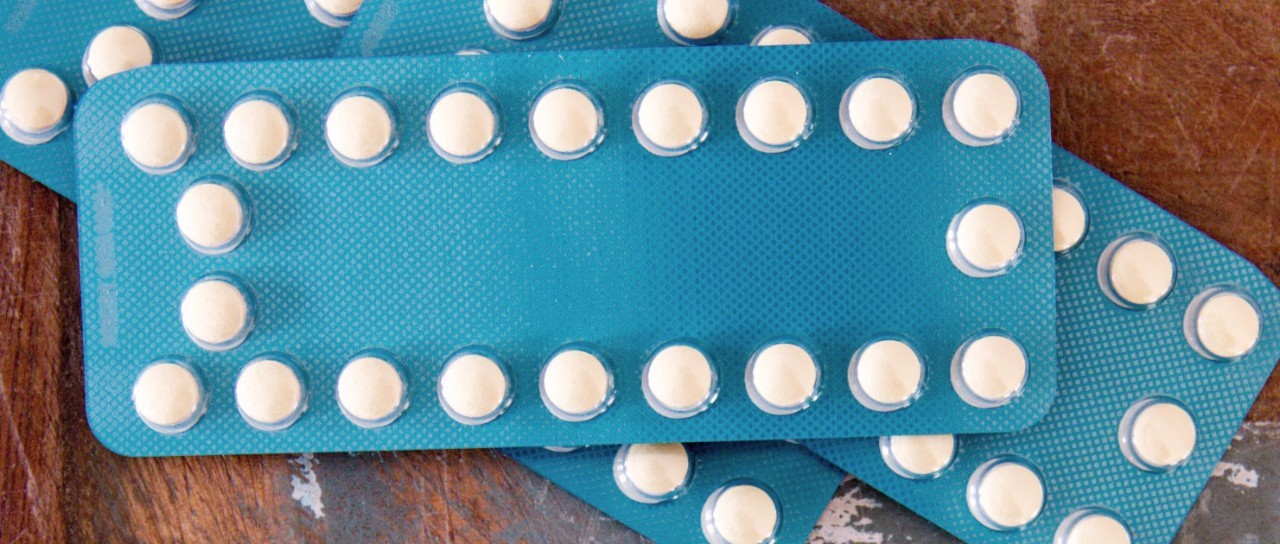
There are two different types of hormonal contraceptive pills available in the UK: The progestogen-only pill which contains only one type of hormone, and the combined pill - which contains the hormones oestrogen and progestogen.
There is no evidence suggesting a significant delay in the return of fertility after you’ve stopped taking the progestogen-only pill or the combined pill. It can take up to three months for your periods to return to their usual cycle, though. The first period after coming off the pill is known as a withdrawal bleed, but the next one is your first natural period.
In theory, you could become gravid immediately after you come off either medication. However, there are many other factors that can affect your fertility, including your age, your health, stress and conditions such as polycystiskt ovariesyndrom. Sometimes, it can take longer to become pregnant even without any underlying conditions.
Dr Hana Patel, a GP and Medico-Legal Expert Witness, says: “The contraceptive pills stop your body from ovulating, but as soon as you stop them this process kicks back into action.
“So, it's possible to get pregnant as soon as you come off the pill - more than 8 out of 10 couples will get pregnant within a year of starting to have regular sex without contraception1. Long-term contraceptive use has no impact on fertility, however, fertility naturally declines with age.”
Copper coil and hormonal coil
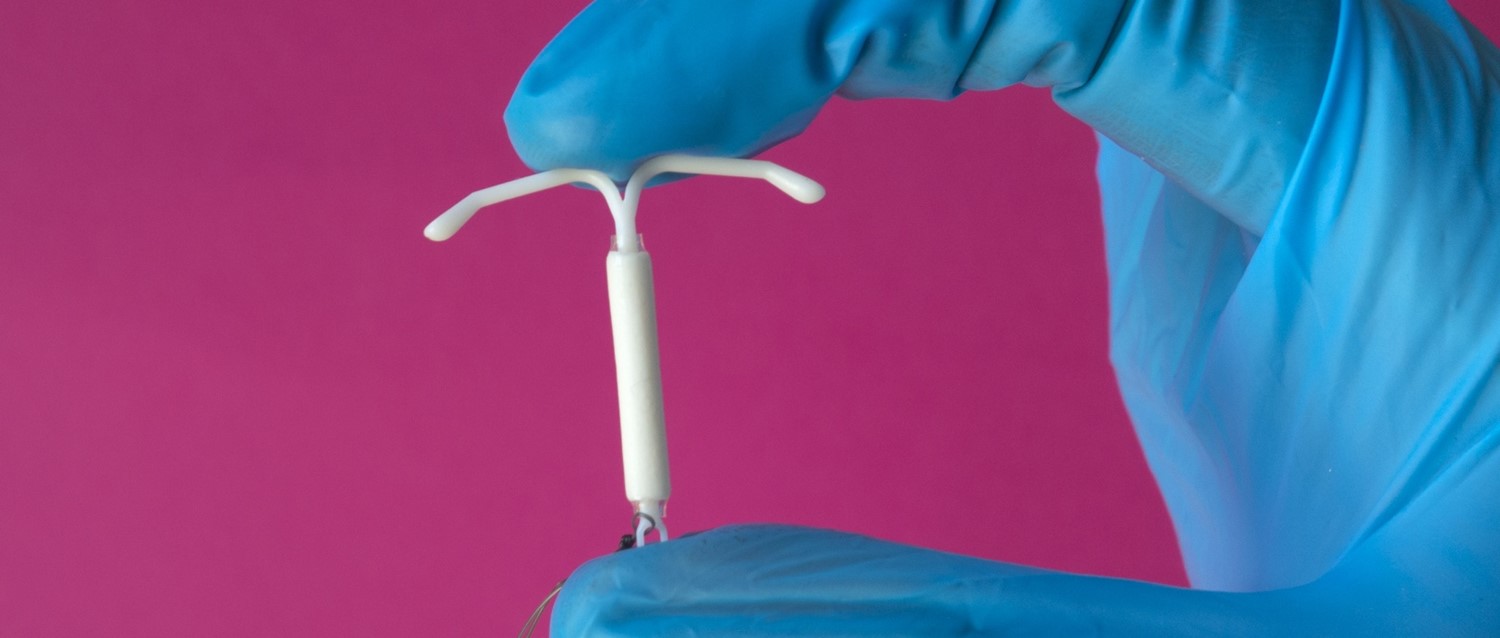
Tillbaka till innehållThe copper coil (intrauterine contraceptive device, IUD) sits inside the womb (uterus) and works for up to 10 years. It can be taken out at any time by a specially trained doctor or nurse. No hormones are involved in the copper coil, so your body doesn’t have to readjust after having it removed.
“Your natural fertility will return immediately after the copper coil is removed, so you could become pregnant straight away, but it may take longer,” says Patel.
The hormonal coil (intrauterine system, IUS) often has the brand name Mirena, and releases a hormone called levonorgestrel. Once fitted, it can last for between 3 to 5 years depending on the type. However, once removed- like the copper coil - your fertility can come straight back.
If you do not want to get pregant but want to stop using the IUS or IUD, you should start using another method of preventivmetod for at least seven days before removal.
Fortsätt läsa nedan
Contraceptive injection
Tillbaka till innehållThe contraceptive injektion lasts for 2 to 3 months and releases the hormone progestogen to prevent pregnancy. There are three long-acting injectables available in the UK. The most commonly used is Depo-Provera, which lasts 13 weeks. Sayana Press lasts for 13 weeks and Noristerat needs to be injected every eight weeks.
“It can take up to one year for your fertility to return to normal after the injection wears off. So it may not be suitable if you want to have a baby in the near future,” says Patel. This delay is not related to the length of time you use this method of contraception.
However, fertility varies widely between individuals and might happen faster to some than others, so those wishing to stop contraceptive injectables and avoid unplanned pregnancies should start another contraceptive method before or at the time of their next scheduled injection.
After being on the contraceptive injection, your periods may change too. Some may experience irregular bleeding during the first few months or they may be heavier and longer.
Progestogen-only Implant
Tillbaka till innehållThe progestogen-only implantat is a small flexible plastic rod placed under the skin in the upper arm. It releases the hormone progestogen into your bloodstream to prevent pregnancy and lasts for three years.
After the implant, natural fertility will return quickly - so contraception is required straight away after it is removed.
Fortsätt läsa nedan
Contraceptive patch or ring
Tillbaka till innehållThe contraceptive patch contains oestrogen and progestogen. It is stuck on to the skin so that the two hormones are continuously delivered to the body to stop you getting pregnant.
The vaginal ring is a small soft, plastic ring that you place inside your vagina. It releases a continuous dose of oestrogen and progestogen into the bloodstream to to stop you getting pregnant.
There is no significant delay in return to fertility once women stop using these methods.
Are there any side effects when coming off contraception?
Tillbaka till innehåll“After coming off preventivmetod, especially ones that contain hormones, side effects may occur from withdrawal and changes in your body’s chemistry,” says Patel. “These side effects include - Huvudvärk, weight change, acne, mood swings or missed or irregular periods.”
Getting pregnant
Tillbaka till innehållTo maximise your chances of getting pregnant after coming off contraception, there are several things you can do, like eat healthily, stay active, quit smoking and cut down, or stop drinking,alcohol.
Ideally, you should take folic acid supplements if you are thinking of getting pregnant and continue taking them until at least the 12th week of graviditeten.
It’s important to visit your doctor to discuss pregnancy if you have any medical conditions or if you take medication - do not stop any medication without speaking to your GP first.
Your doctor will also be able to advise you if you have been trying to get pregnant but have not yet conceived.
“Some women may choose to start tracking their menstruationscykel with apps that note changes in your cervical mucus and basal temperatures which can help you determine a fertile window,” says Patel. “However, your GP will recommend having regular intercourse every two to three days.”
Vidare läsning
Tillbaka till innehållPatient picks for Preventivmedel

Sexuell hälsa
Does hormonal contraception affect your sex drive?
Anyone who has used hormonal contraception has most likely seen the long list of potential side effects. Next to the health warnings, 'change in sex drive' is easy to ignore. But for women who experience them, changes in libido can be frustrating and upsetting.
av Milly Evans
Sexuell hälsa
Can you prevent breakthrough bleeding on the pill?
Breakthrough bleeding on the combined pill is common - especially when you first start taking it, or if you choose to take it without a break. But is there anything you can do to prevent breakthrough bleeding like spotting? We ask a gynaecologist.
av Natalie Healey
Fortsätt läsa nedan
About the authorView full bio

Lydia Smith
Feature writer
BA, MA, MSc
Lydia Smith is an award-winning journalist and feature writer who has written extensively on women's health and mental health. She is currently studying for an MSc in psychology.
About the reviewerView full bio

Dr Krishna Vakharia, MRCGP
Chief Medical Officer for Health, Optum UK
MBChB, MRCGP(2013), BMedSci (hons), DFSRH, DRCOG, PGDipDerm (Distn)
Dr Krishna Vakharia is an NHS GP. She is also a regular examiner for the postgraduate Diploma in Practical Dermatology at Cardiff University as well as being the Chief Medical Officer for health at Optum UK.
Artikelhistorik
Informationen på denna sida är granskad av kvalificerade kliniker.
22 Nov 2023 | Ursprungligen publicerad
Författad av:
Lydia SmithGranskad av
Dr Krishna Vakharia, MRCGP

Fråga, dela, anslut.
Bläddra i diskussioner, ställ frågor och dela erfarenheter inom hundratals hälsorelaterade ämnen.

Känner du dig sjuk?
Bedöm dina symtom online gratis
Anmäl dig till Patientens nyhetsbrev
Din veckovisa dos av tydliga, pålitliga hälsoråd - skrivna för att hjälpa dig känna dig informerad, självsäker och i kontroll.
By subscribing you accept our Sekretesspolicy. Du kan avsluta prenumerationen när som helst. Vi säljer aldrig dina uppgifter.