Bradycardia
Peer reviewed by Dr Doug McKechnie, MRCGPLast updated by Dr Colin Tidy, MRCGPLast updated 29 Jun 2024
Meets Patient’s editorial guidelines
- DownloadDownload
- Share
- Language
- Discussion
- Audio Version
- Add to preferred sources on Google
In this series:Heart palpitationsAbnormal heart rhythmsWolff-Parkinson-White syndromeSupraventricular tachycardia
Bradycardia is a low heart rate and often occurs in people who are very fit, such as athletes. However, it may also occur because of an underlying condition such as a heart problem or an underactive thyroid gland.
At a glance
Bradycardia means your heart beats very slowly.
A slow heart rate may be normal if you are very fit or during sleep.
Sometimes, bradycardia is caused by a medical condition or medication.
Symptoms can include dizziness, tiredness, shortness of breath, and chest pains.
An electrocardiogram (ECG) is used to diagnose bradycardia.
Treatment depends on the cause; a pacemaker may be needed if the heart's electrical system is damaged.
Seek emergency help for collapse, severe chest pain, or increased shortness of breath.
What is bradycardia?
Bradycardia means that your heart beats very slowly. For most people, their resting heart rate is between 60 and 100 beats per minute (bpm).
Low heart rate
A low heart rate (fewer than 60 bpm) may sometimes be normal and can be a sign of being very fit. This normal slow heartbeat doesn't cause any problems and does not need any treatment. This is called sinus bradycardia, with a reduced rate of the electrical signal that controls the heart beat. Sinus bradycardia is common, particularly in well-conditioned athletes. Bradycardia is also normal during sleep.
What causes bradycardia?
However, sometimes bradycardia is caused by an underlying medical condition and does cause symptoms.
Bradycardia may be a sign of a problem with the heart's electrical impulses. It means that the heart's natural pacemaker isn't working right (eg, sick sinus syndrome) or that the electrical pathways of the heart are disrupted (eg, heart block).
In severe forms of bradycardia, the heart beats so slowly that it doesn't pump enough blood to meet the body's needs. This can cause symptoms and can be life-threatening.
When to worry about low heart rate
A low heart rate is often harmless but the causes of bradycardia include various heart conditions or other conditions such as hypothyroidism. Symptoms associated with a low heart rate that need to be assessed and investigated by a healthcare professional include:
Lack of energy.
Tiredness.
Dizziness.
Fainting or loss of consciousness.
Weakness.
Confusion/memory problems.
Bradycardia symptoms
Bradycardia may not cause any symptoms. However, bradycardia may cause you to feel:
Dizzy or light-headed. You might even experience faints or sudden collapse.
Short of breath, especially with exercise.
Very tired.
A pain in your chest or a thumping or fluttering feeling in your chest (palpitations).
Confused or that you are having trouble concentrating.
Risk factors
There are many possible causes. Bradycardia may be normal, especially in young very fit people. Otherwise, the possible causes include:
Abnormal conduction of the electrical impulse that stimulates the heart to pump blood around your body. Read more about abnormal heart rhythms (arrhythmias).
Damage to the heart caused by a heart attack (myocardial infarction).
Congenital heart disease. (A congenital condition is a condition that you are born with.)
A complication of heart surgery.
Medications - eg, beta-blockers or digoxin.
How is bradycardia diagnosed?
Taking your pulse rate reveals a very slow heartbeat.
The first tests will include blood tests and a tracing of your heart (electrocardiogram, or ECG).
Bradycardia often comes and goes, so you may need a portable (ambulatory) ECG, using a Holter monitor.
Bradycardia treatment and management
The treatment depends on the underlying cause and the symptoms. If the bradycardia isn't causing any symptoms there is no need for any treatment unless treatment is needed for the underlying cause of the bradycardia.
If damage to the heart's electrical system causes your heart to beat too slowly, you may need to have a pacemaker. A pacemaker is a device placed under your skin that helps correct the low heart rate. People who have a pacemaker can lead normal, active lives; however, this will also depend on the underlying condition.
If another medical problem, such as hypothyroidism or an imbalance of salts (electrolytes), is causing a low heart rate then treating the cause will often cure the bradycardia.
If a medicine is causing your heart to beat too slowly, your doctor may lower the dose of the medicine or change it to a different medicine.
Always obtain emergency help (in the UK, call 999) if you, or someone near you, have collapsed or if you have symptoms of a heart attack, such as severe chest pain or severe shortness of breath.
Also seek emergency help if your heart rate is slower than usual and you feel like you might pass out, or if you notice increased shortness of breath.
Complications
For most people, bradycardia will not cause any complications. Any complications will depend on the underlying cause of the slow heart rate.
If severe bradycardia isn't treated, it can lead to serious problems. These may include:
Fits (seizures).
Death.
Bradycardia prevention
Bradycardia can be caused by heart disease, so healthy lifestyle advice is very important. This includes:
See the separate leaflet called Cardiovascular disease (Atheroma) for more details.
Patient picks for Heart palpitations
Heart health and blood vessels
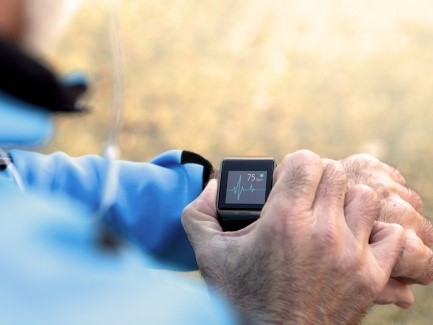
Heart palpitations
Heart palpitations are the sensation of your heart beating and are common. Most cases are harmless. They usually only last for a short time and can be accompanied by other symptoms such as breathlessness, dizziness, chest tightness and a feeling of anxiety. Palpitations that are severe or don't settle quickly may need urgent medical attention. The most common causes are mentioned below.
by Dr Hayley Willacy, FRCGP
Heart health and blood vessels
Postural tachycardia syndrome
Postural tachycardia syndrome (PoTS) is an abnormal response of your body when you are upright (usually when standing). Your heart rate increases too much after getting up from lying or sitting down. It is caused by a problem with the nervous system which controls the autonomic functions in the body. This part of the nervous system is called the autonomic nervous system. The symptoms of PoTS occur when you are upright and are relieved when lying down. These symptoms are associated with an abnormally high and persistent increase in heart rate within ten minutes of standing. Lifestyle adjustments are usually very effective for the treatment of PoTS but some people with PoTS need medication to control the symptoms. The outcome (prognosis) is very good for most people with PoTS but some may have severe long-term difficulties with normal daily activities.
by Dr Rosalyn Adleman, MRCGP
Frequently asked questions
What is the difference between normal slow heartbeat and bradycardia as a medical problem?
A normal slow heartbeat, known as sinus bradycardia, occurs when the electrical signal controlling your heart beats at a reduced rate. This is common in very fit individuals and during sleep, and doesn't cause any problems or require treatment. However, if bradycardia is caused by an underlying medical condition, it can lead to symptoms and in severe cases, the heart may not pump enough blood, which can be life-threatening.
Can high blood pressure contribute to bradycardia?
Yes, high blood pressure (hypertension) is listed as one of the possible risk factors or causes of bradycardia.
Are there any specific infections that can cause bradycardia?
Yes, an infection of the heart tissue, known as myocarditis, is listed as one of the potential causes of bradycardia.
What kind of blood tests are done to diagnose bradycardia?
The initial tests for diagnosing bradycardia include blood tests, though the article does not specify what these blood tests look for. They are performed alongside an electrocardiogram (ECG) to assess your heart's activity.
How long do I need to wear a portable ECG monitor if episodes of bradycardia come and go?
If bradycardia comes and goes intermittently, your doctor may recommend using a portable (ambulatory) ECG, specifically a Holter monitor, to record your heart's electrical activity over a period. The article does not specify the exact duration of wear, but such monitors are typically used for extended periods to capture infrequent events.
Can managing other health conditions help cure bradycardia?
Yes, if an underlying medical problem like an underactive thyroid gland (hypothyroidism) or an imbalance of salts (electrolytes) is causing a low heart rate, treating that specific condition will often resolve the bradycardia.
Further reading and references
- Checking your pulse; British Heart Foundation
- Mason KP, Lonnqvist PA; Bradycardia in perspective-not all reductions in heart rate need immediate intervention. Paediatr Anaesth. 2015 Jan;25(1):44-51. doi: 10.1111/pan.12584. Epub 2014 Nov 20.
- Adult Bradycardia Algorithm; Resuscitation Council UK, 2021
- Sidhu S, Marine JE; Evaluating and managing bradycardia. Trends Cardiovasc Med. 2020 Jul;30(5):265-272. doi: 10.1016/j.tcm.2019.07.001. Epub 2019 Jul 9.
- Cinier G, Haseeb S, Bazoukis G, et al; Evaluation and Management of Asymptomatic Bradyarrhythmias. Curr Cardiol Rev. 2021;17(1):60-67. doi: 10.2174/1573403X16666200721154143.
- British National Formulary (BNF); NICE Evidence Services (UK access only)
About the authorView full bio

Dr Colin Tidy, MRCGP
General Practitioner, Medical Author
MBBS, MRCGP, MRCP (Paediatrics), DCH
Dr Colin Tidy is an NHS Doctor, based in Oxfordshire.
About the reviewerView full bio

Dr Doug McKechnie, MRCGP
Medical Writer
MA, MBBS, MSc, DRCOG, MRCP(UK), MRCGP(2021), FHEA
Dr Doug McKechnie is an NHS GP working in London. He works full-time clinically and is also the Deputy Lead for the Clinical and Professional Practice module at University College London Medical School.
Article history
The information on this page is written and peer reviewed by qualified clinicians.
Article also available in English, German, Spanish, French, Italian, Portuguese, Hindi, Hebrew, Arabic, and Swedish.
Next review due: 28 Jun 2027
29 Jun 2024 | Latest version
Join the conversation
Share your thoughts or experiences with others in our patient communities.

Ask, share, connect.
Browse discussions, ask questions, and share experiences across hundreds of health topics.

Feeling unwell?
Assess your symptoms online for free
Sign up to the Patient newsletter
Your weekly dose of clear, trustworthy health advice - written to help you feel informed, confident and in control.
By subscribing you accept our Privacy Policy. You can unsubscribe at any time. We never sell your data.