What is the anti-inflammatory diet?
Granskad av Dr Krishna Vakharia, MRCGPSenast uppdaterad av Victoria RawLast updated 8 Apr 2025
Uppfyller patientens redaktionella riktlinjer
- Ladda nerLadda ner
- Dela
- Language
- Diskussion
- Ljudversion
- Add to preferred sources on Google
Typical western diets are thought to increase inflammation - where your immune system reacts and causes internal swelling throughout your body. As long-term inflammation can become harmful, anti-inflammatory diets are thought to protect us from a wide range of health problems.
I den här artikeln:
Video picks for Kost
Fortsätt läsa nedan
What is the anti-inflammatory diet?
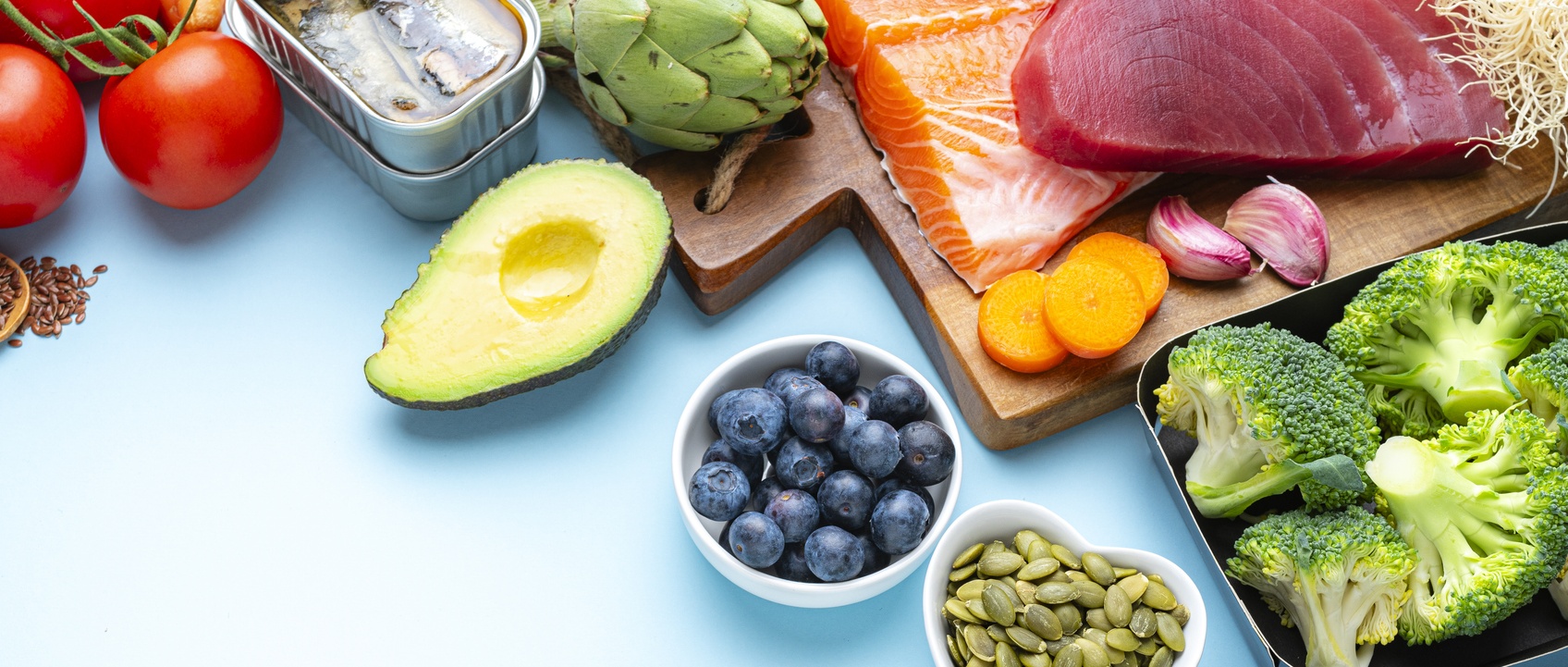
An anti-inflammatory diet, used as a remedy to fight inflammation in the body, has no strict plan for calories, portion sizes, or even recipes to follow. It's more of a general emphasis on eating a variety of anti-inflammatory foods, found in fruits, vegetables, unrefined whole grains, oily fish, unsaturated fats, spices, tea, coffee, and dark chocolate.
It also involves limiting other foods that promote inflammation, including fried foods, sugary treats and drinks, saturated fats, and excessive amounts of alcohol.
Inflammation has become somewhat of a bad word in the world of health, but in truth it's a healthy immune system response we all need at certain times. For example, it's inflammation that causes us to sneeze or cough allergens and viruses out the body when we're unwell. It also causes pain and swelling where we've been injured, telling us to be gentle with this area.
Yet, this helpful level of inflammation should subside when you heal. When it doesn't, the blood rushing and swelling inside your body starts to damage cells and cause problems.
This long-term inflammation (metaflammation) can lead to serious conditions.
Dessa inkluderar:
Most likely to have harmful inflammation
Inflammation can be symptomless until it causes problems, so people who follow an anti-inflammatory diet tend to do so as a precaution and part of a healthy lifestyle. You do have a higher chance of harmful inflammation if you:
Follow a Western diet - this generally refers to diets that contain ultra-processed, high-fat, and sugary foods. It also encompasses other health issues linked to many Western countries like the UK, such as long-term stress and exposure to air pollution, both of which damage cells.
Have an autoimmune disorder - an immune system that doesn't function properly can cause long-term inflammation, as seen in type 1 diabetes, lupus, and reumatoid artrit.
Diets that showcase anti-inflammatory foods
The anti-inflammatory diet is more of a guide than a meal plan, but if you prefer more structure and rules there are several popular diets that rely on many anti-inflammatory foods. This includes the heart-healthy DASH diet, the long-life promoting Mediterranean diet, and the MIND diet, which combines these other diets to support brain health.
Why are anti-inflammatory foods good for us?
Tillbaka till innehållAnti-inflammatory foods contain natural compounds that fight inflammation. Molecules called antioxidants, plant chemicals like flavonoids, and fibre can protect you against free radicals. These are unstable atoms caused by inflammation that crash into and damage cells, accelerating ageing and causing illness.
These compounds can also help stop your immune system from signalling inflammation to start, as well as prevent rises in blood sugar.
Emerging evidence also suggests that these compounds may help prevent a condition called metabolic endotoxemia, a type of long-term inflammation. They do this by supporting the growth of various beneficial bacteria in your gut.
Fortsätt läsa nedan
Best anti-inflammatory foods
Tillbaka till innehållTo follow an anti-inflammatory diet, you should try to eat a variety of anti-inflammatory foods, rather than focussing on one or two specific foods. This gives you a wider range of protective compounds, some of which work best together.
Examples include:
Fruits - such as blueberries, strawberries, cherries, and oranges.
Leafy green vegetables - such as kale, spinach, and collards.
Other vegetables - such as avocado, carrots, and tomatoes.
Nuts - such as almonds, walnuts, and cashews.
Oily fish - such as salmon, tuna, and sardines.
Legumes - such as beans, chickpeas, and lentils.
High-fibre whole grains - such as brown rice, bulgur, and whole grain bread.
Olive oil - a healthy unsaturated fat alternative to butter and other cooking oils.
Dark chocolate - made of at least 70% cocoa solids.
Green tea - including matcha tea.
Foods that cause inflammation
Tillbaka till innehållThe typical Western diet includes processed meats, fast foods, food additives, and refined sugar, and is often lacking in fibre, vitamins, and minerals. This can lead to weight gain and affect our metabolism in a way that damages the immune system, causing inflammation.
Excess fat tissue can send signals to immune cells to produce inflammation. Eating saturated fats also raises cholesterol, which increases cell damage by free radicals.
Examples include:
Processed carbs - such as white bread, pastries, and biscuits.
Fried foods - such as chips, battered foods, and doughnuts.
Processed red meats - such as burgers, sausages, and bacon.
Saturated fats - such as margarine, butter, and cream.
Sugary drinks - such as juice, fizzy drinks, and sweet cocktails.
Excessive alcohol - such as beer and spirits.
Patient picks for Kost

Kost och näring
Allt du behöver veta om den 3-dagars sardinfastan
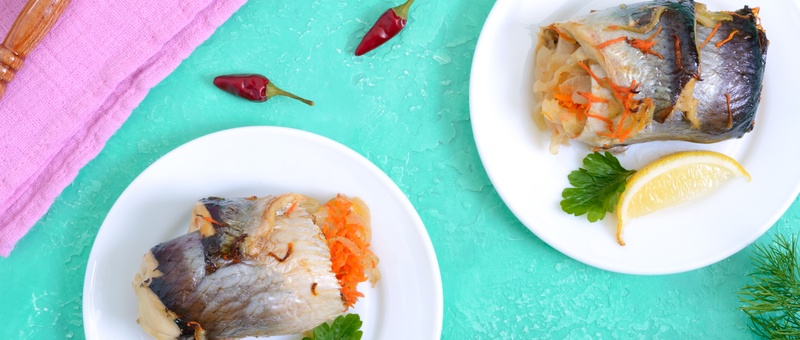
You might have heard people talking about something called a sardine fast. Despite the name, it isn't about giving up the little silver fish. If it were, it probably wouldn’t be much of a trend - after all, who eats enough sardines to need a break from them in the first place? In reality, a sardine fast means eating nothing but sardines for up to 72 hours. We take a closer look at where the sardine fast came from, the thinking behind it, and whether this unusual health trend really does what it says on the tin.
av Victoria Raw
Kost och näring
Vad är den nordiska kosten?
Den nordiska kosten har sitt ursprung i de traditionella matvanorna i regioner i norra Europa och Nordatlanten. Dessa kallare länder delar en kosthållning med lokalt odlade växtbaserade livsmedel och ansvarsfullt anskaffat viltkött. Den kallas ibland för den skandinaviska kosten, men oavsett vilket namn du känner den under, låt oss ta en titt på vad den innebär, tillsammans med dess potentiella hälsofördelar.
av Victoria Raw
Fortsätt läsa nedan
About the author

Amberley Davis
Senior writer
BA (Hons), CPD
Amberley is a senior writer with Patient and has written extensively on a range of health and wellbeing topics.
About the reviewerView full bio

Dr Krishna Vakharia, MRCGP
Chief Medical Officer for Health, Optum UK
MBChB, MRCGP(2013), BMedSci (hons), DFSRH, DRCOG, PGDipDerm (Distn)
Dr Krishna Vakharia is an NHS GP. She is also a regular examiner for the postgraduate Diploma in Practical Dermatology at Cardiff University as well as being the Chief Medical Officer for health at Optum UK.
Artikelhistorik
Informationen på denna sida är granskad av kvalificerade kliniker.
Next review due: 10 Apr 2028
8 Apr 2025 | Senaste versionen
2 Nov 2023 | Ursprungligen publicerad
Författad av:
Amberley Davis

Fråga, dela, anslut.
Bläddra i diskussioner, ställ frågor och dela erfarenheter inom hundratals hälsorelaterade ämnen.

Känner du dig sjuk?
Bedöm dina symtom online gratis
Anmäl dig till Patientens nyhetsbrev
Din veckovisa dos av tydliga, pålitliga hälsoråd - skrivna för att hjälpa dig känna dig informerad, självsäker och i kontroll.
By subscribing you accept our Sekretesspolicy. Du kan avsluta prenumerationen när som helst. Vi säljer aldrig dina uppgifter.