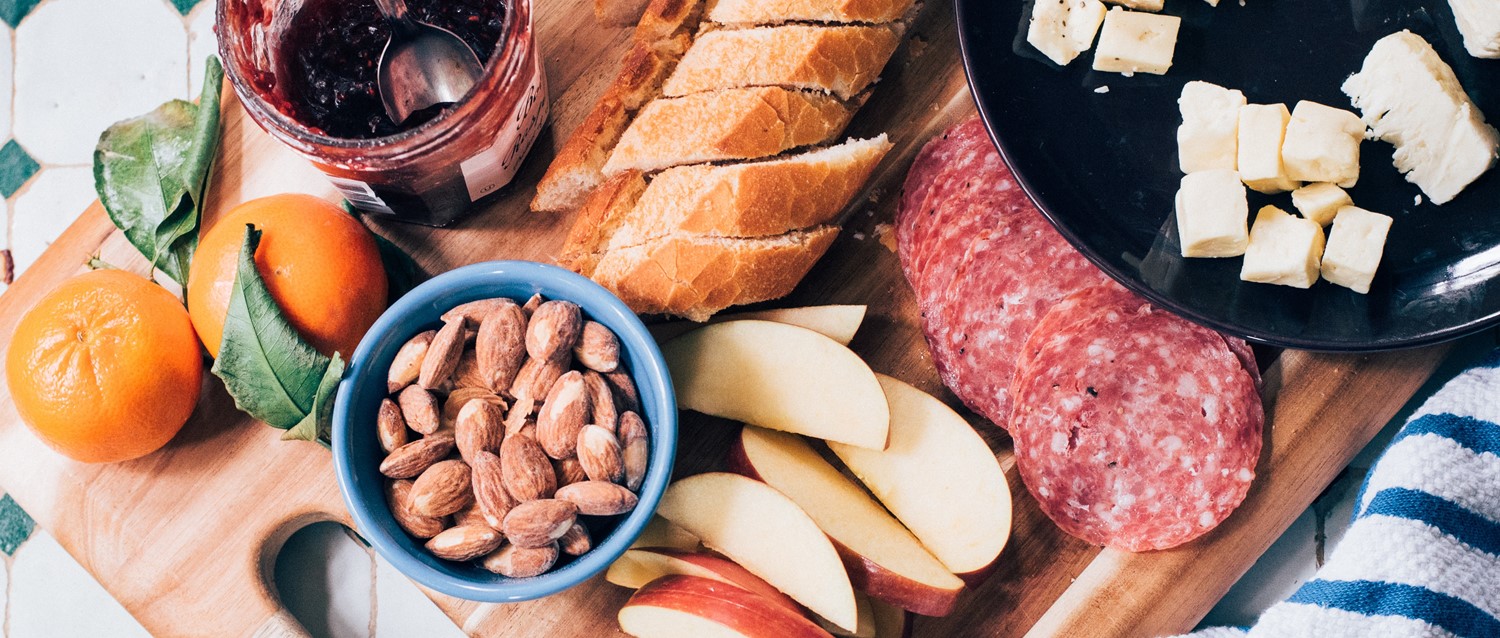
Vilka ultraprocessade livsmedel är säkra - och vilka bör vi undvika?
Granskad av Dr Krishna Vakharia, MRCGPFörfattad av Lydia SmithUrsprungligen publicerad 16 nov 2023
Uppfyller patientens redaktionella riktlinjer
- Ladda nerLadda ner
- Dela
- Language
- Diskussion
- Ljudversion
- Lägg till i föredragna källor på Google
Ultraprocessade livsmedel är kopplade till cancer, hjärtsjukdomar och typ 2-diabetes. Även om vissa livsmedel ökar risken för att utveckla dessa sjukdomar, visar ny forskning att inte alla bearbetade livsmedel är så dåliga för dig som vi tror.
Ultra-processed food (UPF) is food that you cannot make at home because it contains a lot of ingredients that you tend not to find in your cupboards. These foods are often cheap, convenient and have a long shelf-life - and contain lots of additives, sugars and sweeteners.
But a major new study suggests that not all ultra-processed foods are bad for us. An analysis of the eating habits of more than 250,000 people in seven European countries found that regular consumption of certain foods, such as sausages and sugary drinks, increases the risk of developing diseases like cancer1. However, other ultra-processed foods - like certain tyes of bread - may be safe, and even potentially beneficial, because they contain fiber.
Ultra-processed foods are, on the whole, harmful to our health, according to the study. This means that someone who eats a lot of these foods is at higher risk of conditions such as heart disease that could lead to a potentially fatal condition, like a hjärtattack.
However, it gives a more detailed picture of which ultra-processed foods increase that risk - and which don’t.
Which ultra-processed foods are safe to eat?
Wholemeal bread
Den fiber content of wholemeal bread can make it a healthy processed food. Often, loaves contain added vitamins and minerals like folsyra, which is essential for a healthy pregnancy. However, not every loaf of bread is the same and some are better for us than others. Wholemeal or brown breads contain more fibre and the flour used is less processed than white alternatives.
Breakfast cereal
Cereal also contains fibre and has added minerals and vitamins, like vitamin D. Breakfast cereals can be an important source of nutrition - especially among those on a tighter financial budget.
Like bread, though, not all cereals are healthy. Look for cereals without added sugar or sweeteners. Usually, cereal packages have a ‘traffic-light’ system which tells you how high the sugar content is. If the cereal is in the ‘red’ category, avoid it.
Shredded Wheat is a good choice as it doesn’t contain any added sugar or salt, and is high in fibre. Microwave porridges can be a healthier option also, but not the flavoured versions. For all cereals, instead of sugar use fruit such as banana or blueberries to sweeten and use low fat milks.
Tinned vegetables and fish
Packaged foods, like tinned vegetables or tuna, have been processed but not in a way that is highly detrimental to health. Tinned vegetables can be a quick, convenient and cheap way to consume fibre and nutrients. Tuna - as well as other tinned fish - can be a good source of protein and B vitamins.
Ready meals
Ultra-processed ready meals can include chicken nuggets, pizzas and supermarket curries and pasta sauces - but they aren't all the same. The longer the ingredients list - and the more sugar and fat they contain - the more likely they are to be bad for you.
Some shop-bought ready meals are still processed but are healthier. For example, a lasagna that contains lots of whole ingredients and fewer additives. Organic versions may be less processed, but they are often more expensive.
There are also some healthier ready meals available through the post. Food from the likes of Field Doctor, Cook eller Mindful Chef.
Ultimately, you'll need to check the ingredients on the packet to see if the food is ultra-processed.
Checking the label for UPFs
Reading a label on the packet and knowing which ingredients to look out for can be a tricky and often time consuming process. Some of the key things to look out for are added protein sources, such as casein and gluten - people with coeliac or a gluten allergy should be especially careful of gluten. Most added sugars are bad for you and they often appear under names such as glucose syrup, dextrose or fructose. Protein and sugars tend to be listed in the middle of the label.
Other additives to watch out for, include flavour enhancers, colouring, and thickeners - these are usually listed at the end of the label.
The free Open Food Facts app, gives a handy tool to understand the food labels and whether they are ultra processed.
Not all ultra-processed foods are the same
Many foods are processed, including dairy-free milks like oat milk. However, this doesn’t mean they should be avoided as there are different levels of ultra-processed foods.
According to the researchers, the problem is that the term ‘ultra-processed’ is very broad. Generally, there are four main categories of processed foods:
Unprocessed or minimally processed foods
This includes fruit, vegetables, milk, fish, pulses, eggs, nuts and seeds that have no added ingredients and haven’t really been changed from their natural state.
Processed ingredients
This includes foods that are added to other foods rather than eaten by themselves, such as salt, sugar and oil.
Processed foods
These are foods that are made by combining foods from groups 1 and 2, which are altered in a way that home cooks could do themselves. They include foods such as jam, tinned fruit and vegetables, homemade breads and cheeses.
Ultra-processed foods
Ultra-processed foods usually have five or more ingredients. They tend to include many additives and ingredients that are not typically used in home cooking, such as preservatives, emulsifiers, artificial sweeteners and flavours.
What to avoid
Drinks that contain artificial sweeteners or sugar, animal-based products like sausages, and condiments like barbecue sauce should be eaten in moderation.
Consider your overall diet
It’s also about considering your diet as a whole. It’s important to focus on fresh, natural foods like fruit, vegetables, pulses and wholegrains - and microwave sachets of plain wholegrain rice are a quick and easy option. Also, limit the amount of sugary sweets and takeaways you eat.
Vidare läsning
Patientval för Hälsosam kost
Kost och näring
Hur en proteinrik frukost kan förbättra din hälsa
När vi tänker på frukost, föreställer vi oss ofta en skål med cornflakes och mjölk. Även om det är en klassisk morgonfavorit, kanske det inte är det mest effektiva sättet att starta dagen på, eftersom det saknar protein. Att lägga till mer protein till din frukost kan öka din energinivå och hjälpa dig att känna dig mätt längre.
av Victoria Raw
Kost och näring
Varför fiber är din vän
It's recommended that we all try to eat 30 grams of fibre a day - but most of us only manage about 18 grams. We should try to eat at least 30 different vegetables, fruits, nuts, seeds, beans and pulses every week to meet our fibre needs. Here's why it's important to prioritise a fibre-rich diet.
av Victoria Raw
Om författarenVisa fullständig biografi

Lydia Smith
Featureförfattare
BA, MA, MSc
Lydia Smith är en prisbelönt journalist och featureförfattare som har skrivit mycket om kvinnors hälsa och mental hälsa. Hon studerar för närvarande en MSc i psykologi.
Om recensentenVisa fullständig biografi

Dr Krishna Vakharia, MRCGP
Medicinsk chef för hälsa, Optum UK
MBChB, MRCGP(2013), BMedSci (hons), DFSRH, DRCOG, PGDipDerm (Distn)
Dr Krishna Vakharia är en NHS-läkare. Hon är också en regelbunden examinator för den postgraduate Diplom i Praktisk Dermatologi vid Cardiff University samt Chief Medical Officer för hälsa på Optum UK.
Artikelhistorik
Informationen på denna sida är granskad av kvalificerade kliniker.
Artikeln finns också på Engelska, Tyska, Spanska, Franska, Italienska, Portugisiska, Hindi, Hebreiska, Arabiska, och Svenska.
16 nov 2023 | Ursprungligen publicerad
Författad av:
Lydia SmithGranskad av
Dr Krishna Vakharia, MRCGP

Fråga, dela, anslut.
Bläddra i diskussioner, ställ frågor och dela erfarenheter inom hundratals hälsorelaterade ämnen.

Känner du dig sjuk?
Bedöm dina symtom online gratis
Anmäl dig till Patientens nyhetsbrev
Din veckovisa dos av tydliga, pålitliga hälsoråd - skrivna för att hjälpa dig känna dig informerad, självsäker och i kontroll.
Genom att prenumerera accepterar du våra Sekretesspolicy. Du kan avsluta prenumerationen när som helst. Vi säljer aldrig dina uppgifter.
Mer om kost och näring
- 10 överraskande hälsofördelar med kål
- Kan kost påverka din ADHD?
- UppdateradKan din kost vara din bästa anti-aging hemlighet?
- Diabetesdiet: hantering av typ 2-diabetes
- Hjälper det att äta kryddstark mat för att gå ner i vikt?
- Hur kan kraschdieter påverka din metaboliska flexibilitet?
- Hur man tröstäter hälsosamt på vintern
- Hur man fastar säkert under Ramadan
- Hur man går upp i vikt på ett hälsosamt sätt
- Hur man gör hälsosammare val utan att gå miste om något
- Hur du förbereder din mat spelar roll
- Finns det en koppling mellan kost och akne?
- Växtbaserade proteiner kan hjälpa till att förebygga högt blodtryck
- Vitamin C: fördelar, källor och brist
- Sätt att förbättra din relation till mat
- Vad är fibremaxxing - och hur hälsosamt är det egentligen?
- Vad är den koreanska kosten?
- Why keep a food diary?
- Varför du inte behöver avgifta dig
- Kommer en glutenfri diet att hjälpa mitt barns eksem?