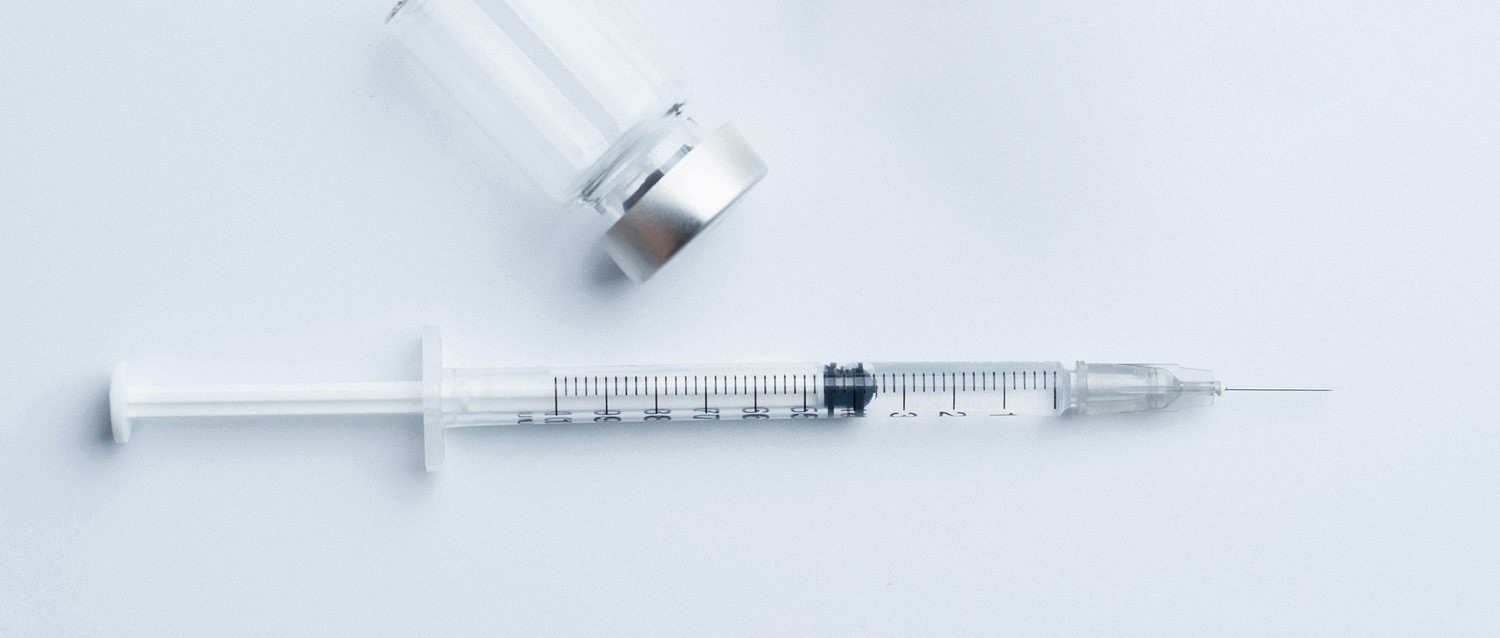
A chlamydia vaccine has passed initial safety tests
Peer reviewed by Natalie HealeyLast updated by Milly EvansLast updated 13 Aug 2019
Meets Patient’s editorial guidelines
- DownloadDownload
- Share
- Language
- Discussion
- Audio Version
- Add to preferred sources on Google
An early stage clinical trial of a chlamydia vaccine has found it to be safe in humans.
The study, published in The Lancet Infectious Diseases journal, found that in a clinical trial of 35 healthy women, a vaccine shows early signs of effectiveness against genital chlamydia.
Chlamydia is a sexually transmitted infection (STI) which is most common in under-25s, affecting between 3-7% of sexually active young people in the UK. The majority of people experience no symptoms but complications which can develop include infertility and pelvic inflammatory disease.
In 2018 there were 218,095 diagnosed cases of chlamydia across the UK population, equating to nearly half of all new STI diagnoses. In the last five years, uptake of chlamydia screening has dropped by 22% but the proportion testing positive has increased.
Thus far, public health campaigns and treatment programmes have been largely ineffective in curbing the epidemic. Tests and antibiotic treatment are successful in detecting and treating chlamydia, but low public engagement and availability have prevented them from being effective.
A vaccination programme to prevent chlamydia occurring in the first place is thought to be a much better way of preventing its spread and complications. No previous chlamydia vaccines have reached human clinical trials.
Women are particularly at risk of complications from chlamydia. One in six women who have chlamydia develop pelvic inflammatory disease when the infection travels up from the cervix. This can cause chronic pelvic pain, infertility and ectopic pregnancy, particularly in areas of the world where there is limited access to treatment and screening. Chlamydia is also strongly associated with a greater risk of having other STIs, especially HIV and gonorrhoea. Chlamydia during pregnancy increases the risk of negative outcomes like miscarriage, stillbirth and preterm birth.
"Given the impact of the chlamydia epidemic on women's health, reproductive health, infant health through vertical transmission, and increased susceptibility to other sexually transmitted diseases, a global unmet medical need exists for a vaccine against genital chlamydia," explains author of the study, Professor Peter Andersen, from Statens Serum Institut, Denmark.
The 35 women included in the trial did not have chlamydia and were split into three groups, two with a different version of the vaccine (to see which was more effective) and one placebo group. In total, 32 participants received all five vaccinations in the course.
100% of those who received the vaccine had an immune response, whereas none of those in the placebo group did. One of the vaccines, called CTH522:CAF01, consistently performed better than the other and produced 5.6 times more antibodies. It is suggested that this vaccine be used for further clinical trials.
No serious side effects of the vaccination were reported although all of those who received the vaccine had mild skin reactions at the site of injection and some experienced mild pain or tenderness for a couple of days.
Despite showing an effective immune response, it is not yet known whether this translates into immunity to protect against chlamydia.
First author of the study, Helene Juel of the Statens Serum Institut, Denmark, reflected on the success of the first clinical trial. "Studies of antibodies in mice have found that antibodies in the vagina are the first line of defence against chlamydia infection, which suggests they are key to how effective the new vaccine may be."
"A vaccine for prevention of C. trachomatis infection [chlamydia] would have enormous public health and economic impact. Although clinical vaccine testing for chlamydia is in its infancy, this trial suggests optimism for the future," says Professor Toni Darville from University of South Carolina.
This study was published in The Lancet Infectious Diseases.
Patient picks for Sexually transmitted infections

Sexual health
Why are STIs on the rise in older people?
Whilst STIs are on the rise in virtually every age group in the UK, there is a notable upwards trend in older people. Changing attitudes to sex and relationships and more casual sex among older age groups is contributing to a sexual health crisis.
by Milly Evans
Sexual health
A chlamydia vaccine has passed initial safety tests
An early stage clinical trial of a chlamydia vaccine has found it to be safe in humans.
by Milly Evans
About the authorView full bio

Milly Evans
Editor
Milly writes on a range of health topics, with a particular interest in health inequality and sexual health.
About the reviewerView full bio

Natalie Healey
Freelance journalist
BSc (Hons) Biomedical Science
She is a London-based health journalist who has been writing about science and medicine for several years. She is the former head of editorial at Patient.
Article history
The information on this page is peer reviewed by qualified clinicians.
Article also available in English, German, Spanish, French, Italian, Portuguese, Hindi, Hebrew, Arabic, and Swedish.
13 Aug 2019 | Latest version
Join the conversation
Share your thoughts or experiences with others in our patient communities.

Ask, share, connect.
Browse discussions, ask questions, and share experiences across hundreds of health topics.

Feeling unwell?
Assess your symptoms online for free
Sign up to the Patient newsletter
Your weekly dose of clear, trustworthy health advice - written to help you feel informed, confident and in control.
By subscribing you accept our Privacy Policy. You can unsubscribe at any time. We never sell your data.
More in sexual health
- Are erection problems getting more common in young men?
- Calls for improved access to sexual health services as STI rates soar
- Can you get chlamydia from kissing?
- Can you prevent breakthrough bleeding on the pill?
- Does hormonal contraception affect your sex drive?
- Does smoking affect your sex life?
- Does testicular cancer affect your fertility?
- Should you avoid the pill if you get migraines?
- Stigma of HIV and representations in the media
- The female reproductive system
- The health benefits of sex toys
- The most likely causes of pain during sex
- The truth about egg freezing
- What happens when you come off the pill?
- What is the difference between HIV and AIDS?
- What not to say to someone with HIV
- What to do after rape or sexual assault
- What you need to know about sexual consent
- What's the future of contraception?
- Why is syphilis on the rise?