How to avoid tick bites and Lyme disease
Peer reviewed by Dr Sarah JarvisAuthored by Abi MillarOriginally published 3 Jul 2019
Meets Patient’s editorial guidelines
- DownloadDownload
- Share
- Language
- Discussion
- Audio Version
- Add to preferred sources on Google
If you've been keeping an eye on the news, you may be aware that Lyme disease is on the rise. A bacterial infection, which can be spread to humans via infected ticks, the condition was once both rarely diagnosed and rarely talked about. These days, however, it frequently makes headlines, with campaign groups on both sides of the Atlantic working to boost awareness.
Need treatment for insect bites?
Start a quick NHS Pharmacy First consultation online through Patient.info.
- Online and available 24/7, treatment can often be delivered next day.
- Free service, just pay the NHS prescription charge online if required.
- Just answer a few questions then choose a time for a clinician call.
Powered by Evaro, a UK regulated healthcare service supporting over 2 million patients. Reviewed by UK registered clinicians.

A number of US celebrities have spoken publicly about their struggles with Lyme disease, including Shania Twain, Avril Lavigne, Kathleen Hanna and Alec Baldwin. Here in the UK, the former rugby international Matt Dawson needed heart surgery after contracting the disease from a tick in a London park.
While the condition remains relatively uncommon in the UK (there were 1,534 confirmed cases in 2017, compared to an estimated 329,000 each year in the USA), there has been a sharp rise over the last few years. What's more, the reported figure, from Public Health England, only includes those diagnosed via a blood test, meaning it is very likely an underestimate. The NHS estimates the true number to be around 3,000, while some charities claim it could be much higher.
"Until fairly recently, it was thought that there were various hotspots for ticks in the UK, but in fact if you look at The Big Tick Project you can see they're now being found in all counties," says Julia Knight, spokesperson for Lyme Disease UK. "They've been found in urban parks, and even in people's back gardens. I think if people were aware and responded to a tick bite quickly, we might prevent a lot of infections."
Early symptoms
For around two thirds of people with Lyme disease, the first sign of infection is a red 'bullseye' rash, otherwise known as erythema migrans, which slowly spreads out from a central red spot. This starts between three days and three months after you're bitten and it probably won't be itchy or painful; its defining characteristic is that it expands. (Confusingly, some bullseye rashes don't show the typical bullseye.)
If you see this rash, you should go to the doctor, whether or not you're experiencing other symptoms - under new National Institute for Health and Care Excellence (NICE) guidelines, this should be enough for them to make a diagnosis and treat you with antibiotics. (A tick bite alone is not sufficient, as the majority of ticks don't carry the infection.)
Other symptoms of early Lyme disease include a sense of being generally unwell, with fever, swollen glands and muscle pain.
"The obvious thing to look out for is a summer flu, because people don't normally get flu in summer," says Knight. "You might get headaches, fatigue and joint pain, and a lot of people complain of neck pain or neck stiffness. You might even experience behavioral or mood changes."
Since those symptoms are quite nonspecific, you'll be given a blood test called an ELISA, which looks for antibodies in your blood. Most people treated at this stage will recover without experiencing any complications.
Some people develop 'early disseminated' Lyme disease weeks to months after being infected, sometimes without ever having had a rash or any of the other classic early symptoms. This can include nerve palsies, inflamed joints and painful red eye conditions like uveitis or keratitis. Like classic Lyme disease, it is treated with antibiotics, although the dose and type depend on the symptoms.
Late-stage Lyme disease
Unfortunately, if the condition isn't caught in time, it can sometimes lead to a long-term, disabling illness, which is notoriously difficult to treat. Symptoms at this stage might include headaches, fatigue, heart problems, memory problems and chronic pain.
"We find a lot of our group members never noticed the bite, but have become chronically ill with all sorts of unexplained symptoms, and months or even years later have found out they've got untreated Lyme disease," says Julia Knight. "They've been diagnosed with things like ME or fibromyalgia and have gone on to find out that a tick bite was the culprit in the first place."
Lyndsey Wood, who lives in Devon, became unwell two years ago after noticing an engorged tick on her bed. Unfortunately, she wasn't diagnosed or treated until some months later, which she says was due to a string of GPs dismissing the possibility of Lyme disease. By this stage, the infection had progressed too far for the drugs to clear it.
"In 2017, I became seriously ill - it started with extreme vomiting and weight loss; then extreme body pain head to toe," she recalls. "I had piercing headaches which doctors thought were meningitis. But what had actually happened was my Lyme disease had gone on way too long and hadn't been treated appropriately at the start. I'm an active person but I was bed-bound and couldn’t work for ten months."
Eventually, Lyndsey was treated privately with long-term, intravenous antibiotics. (This treatment plan is not recommended on the NHS, due to lack of evidence about efficacy, concerns about side effects and its contribution to antibiotic resistance.) She is now on the mend and back to working part-time, but still suffers with pain and fatigue.
"I'm focusing on slowly building my immune system back up, looking after myself and staying in touch with my private consultant," she says. "At the moment I'm not on antibiotics, and haven't been since December. But if you leave it for too long without treatment, it's an uphill battle to get well again."
Prevention is key
For many people in Lyndsey’s position, accessing treatment is a struggle, as there is a lot of controversy over what causes the chronic Lyme disease symptoms and how they should be addressed. On top of that, the diagnostic tests aren't 100% accurate, meaning a proportion of cases do slip through the net.
For that reason, Knight reinforces that it's important to catch the condition early - and better still, to be vigilant about prevention.
"Further research needs to be done," she says. “But the main point is that prevention is key, before you get into this scenario."
While you can contract Lyme disease at any time of year, infection is most common from late spring to autumn. Ticks are generally found in woodland, moors, or grassy areas (think anywhere you might walk your dog).
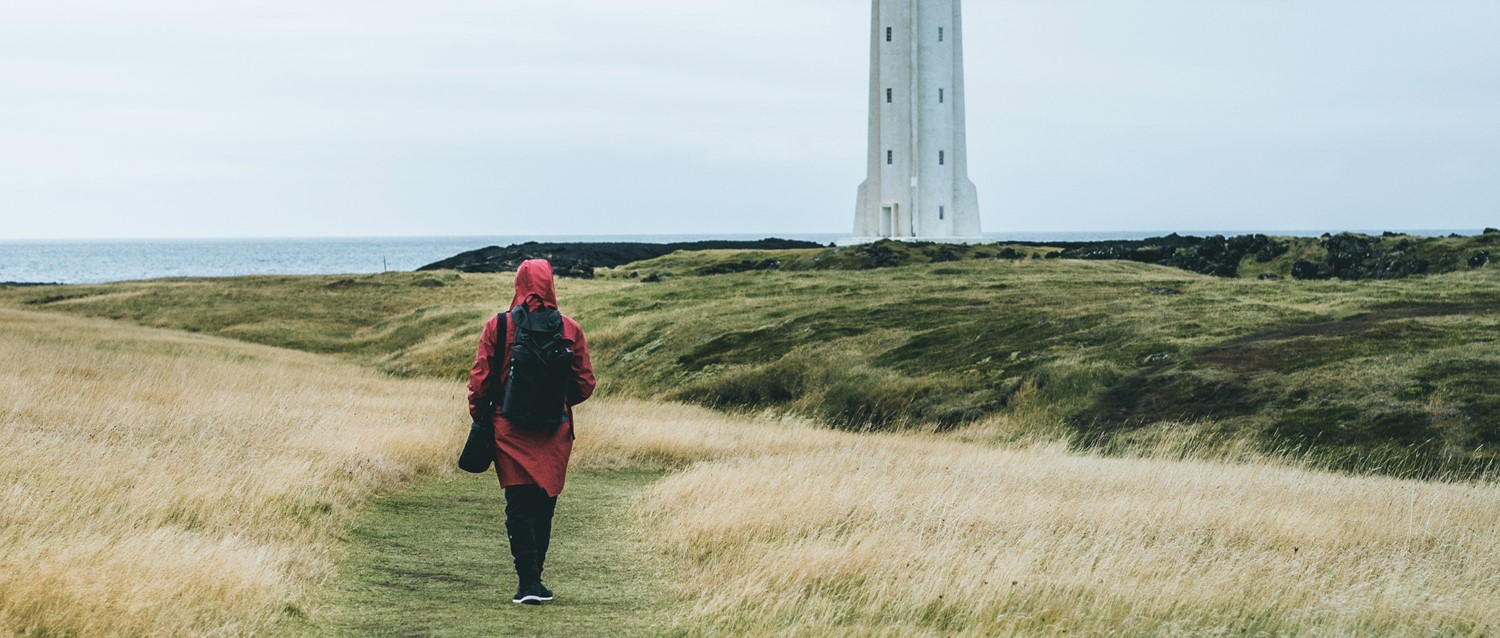
"If you're going somewhere like that, be aware," says Knight. "Avoid walking through the long grass; stick to pathways in woods, and wear light-coloured clothing because that way it's easier to see the ticks. Wear long sleeves and long trousers; tuck your trousers into your socks if you can, and have a shower and check for ticks when you get home. You could also use an insect repellant during outdoor activities, or buy clothing treated with insect repellant."
How to remove a tick
If you do see a tick, you can pull it off with special fine-toothed tweezers, available from outdoor shops or vets. (Never use your fingers, or normal tweezers that aren't designed for the job.) Alternatively, you can go to your GP or A&E - but be aware that the longer the tick is attached, the more likely it is to pass on any infection.
Unfortunately, the prevalence of Lyme disease is expected to climb globally, due to factors like climate change and forest defragmentation. And while the condition is still rare in the UK, it's best to remain vigilant, taking whatever steps you can to cut your risk.
"Recently, I had a lady send me a personal message through our Instagram account - she'd been bitten while running in Richmond Park, and I was able to point her in all the right directions," says Knight. "That was only about four or five weeks after she was bitten, and she's now well, so early detection makes a massive difference."
Patient picks for Stings and bites
Skin, nail and hair health
What to do if you're stung by a sea urchin
While many sea urchin stings can be mild and their symptoms go away within a few days, there is a possibility of them becoming seriously infected. Therefore, it's important to know how to act in these situations and when to seek professional help.
by Emily Jane Bashforth

Skin, nail and hair health
How to soothe a nettle sting
Stinging nettles grow widely across the UK and Europe. Whilst nettle stings aren't usually too serious, they can be in rare cases. Either way, it's important to know what to do if you or someone else is stung, to ease discomfort and to potentially save a life.
by Victoria Raw
About the authorView full bio

Abi Millar
Freelance Journalist
BA (Hons), MA
Abi is a freelance journalist with a special interest in health and medicine writing.
About the reviewerView full bio

Dr Sarah Jarvis
Clinical Consultant
MA (Cantab), BM, BCh (Oxon), DRCOG, FRCGP, MBE
After training in medicine at Cambridge and Oxford, Dr Sarah Jarvis MBE became a GP.
Article history
The information on this page is peer reviewed by qualified clinicians.
Article also available in English, German, Spanish, French, Italian, Portuguese, Hindi, Hebrew, Arabic, and Swedish.
3 Jul 2019 | Originally published
Authored by:
Abi MillarPeer reviewed by
Dr Sarah Jarvis
Join the conversation
Share your thoughts or experiences with others in our patient communities.

Ask, share, connect.
Browse discussions, ask questions, and share experiences across hundreds of health topics.

Feeling unwell?
Assess your symptoms online for free
Sign up to the Patient newsletter
Your weekly dose of clear, trustworthy health advice - written to help you feel informed, confident and in control.
By subscribing you accept our Privacy Policy. You can unsubscribe at any time. We never sell your data.
More in skin, nail and hair health
- 8 causes of back acne
- Can dandruff and an itchy scalp lead to hair loss?
- Can you get great skin without spending a fortune?
- UpdatedCommon rosacea triggers and how to avoid them
- Could you be allergic to the sun?
- Does Bio-Oil help acne scars?
- UpdatedDoes getting good sleep really improve your skin?
- Does wearing make-up give you acne?
- How to get rid of acne scars: your ultimate guide
- How to spot bedbugs and get rid of them
- How to treat a wasp sting
- Is aloe vera good for your skin?
- Is there a link between diet and acne?
- Micellar water: skincare benefits and uses
- The 'second puberty': why you might be breaking out in your thirties
- The simplest men's skincare routine
- Tick bites: how to recognise and treat
- Video: How do head lice spread?
- What does aftersun do and do you really need it?
- What to do when your child has a rash