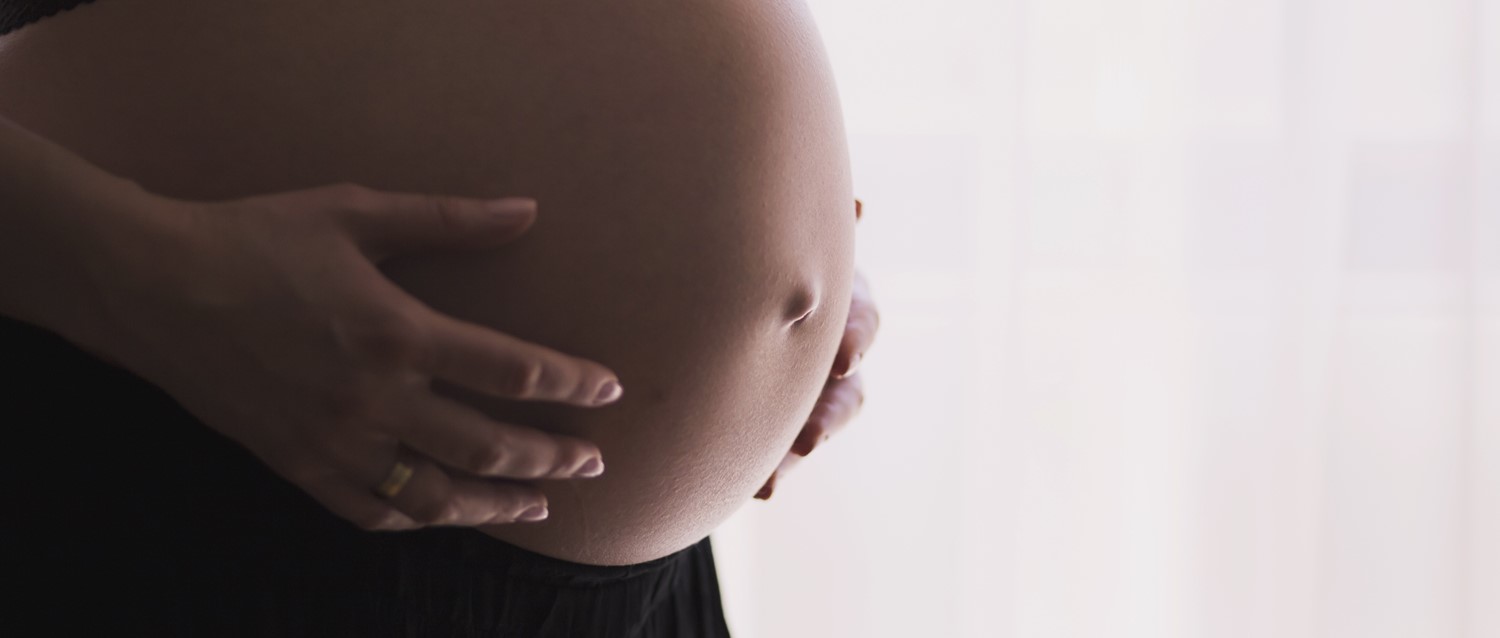
Bör du oroa dig för bäckensmärta under graviditeten?
Granskad av Dr Sarah JarvisFörfattad av Karen GordonUrsprungligen publicerad 24 Jan 2018
Uppfyller patientens redaktionella riktlinjer
- Ladda nerLadda ner
- Dela
- Language
- Diskussion
- Ask Patient
- Ljudversion
- Lägg till i föredragna källor på Google
Bäcken smärta or discomfort is common during graviditeten and can be a real concern for many mums-to-be. It can occur at almost any point and its impact can range from a few twinges to debilitating pain.
According to Dr Katy Vincent, senior pain fellow, locum consultant gynaecologist and member of the Wellbeing of Women Research Advisory Committee, most women will experience some pelvic discomfort in pregnancy and many would describe it as pain. But sometimes pain can be a red flag that something more serious is wrong. So, what are the most common causes and when is it time to consult your midwife?
Anmäl dig till vår gratis 8-veckors kurs om en hälsosam graviditet!
Varje vecka delar vi användbar information och viktiga tips om ämnen som näring, motion, mental hälsa, symtom att vara uppmärksam på och förberedelser inför förlossningen, för att hjälpa dig navigera din graviditetsresa oavsett vilket stadium du befinner dig i.
Genom att prenumerera accepterar du våra Sekretesspolicy. Du kan avsluta prenumerationen när som helst. Vi säljer aldrig dina uppgifter.
Videoval för KomplikationerVideobibliotek
Pelvic pain during the first trimester
In the first 8 to 12 weeks of pregnancy, it's quite common to get accommodation pain, which feels like mild abdominal twinges or cramps. If you have any pains that are stronger or longer-lasting, it's important to see your GP for advice. "In early pregnancy, missfall commonly presents with pain," says Vincent. Unfortunately, as many as 25% of pregnancies in the UK end in miscarriage, making it a very common occurrence. The main symptoms are vaginal bleeding and lower abdominal pain or pelvic cramps.
"If someone develops pain in their first trimester, you always need to rule out an utomkvedshavandeskap, which is when a pregnancy tries to develop outside of the womb," says Mr Pandelis Athanasias, consultant obstetrician and gynaecologist at the London Women's Centre.
Ectopic pregnancies occur in about 1% of pregnancies and the symptoms include pain on one side of the lower abdomen or pelvis. "An ultrasound scan will tell you where the pregnancy is located and whether it's viable," says Athanasias.
If the corpus luteum, a small fluid-filled sac on the ovary which releases progesterone until the placenta takes over, ruptures during the first trimester, this can also considerable pain.
Pelvic pain isn't always due to the pregnancy itself and doesn't always come from the womb, says Ms Shirin Irani, consultant gynaecologist at Spire Parkway Hospital. "You would also want to rule out appendicit, a urinary tract infection, njurstenar and even förstoppning."
Pelvic pain during the second and third trimester
Going into your second trimester, you may start to feel pain in one or both your sides of your abdomen. As your womb grows, the round ligaments stretch and thicken to accommodate and support your growing bump. "Ligament pain is more common in the second trimester of pregnancy and it usually gets better in the third trimester," says Athanasias.
Later in pregnancy, pelvic girdle pain (PGP) is probably the most common cause of pelvic pain and is estimated to occur in 20% of pregnancies.
"When you're pregnant, the fixed joint called the symphysis pubis becomes softer and starts to move a bit and become strained," explains Dr Karen Morton, consultant gynaecologist and founder of Dr Morton's medical helpline. "It's so painful and tender, it can literally leave a woman unable to walk. She may need crutches or even a wheelchair because of this incapacitating pain."
Morton says that the practicality of the immobility of PGP is most concerning because, when pregnant women become immobile, their circulation diminishes. "They are more at risk of djup ventrombos (DVT) through their immobility, and it's important they're given supportive stockings to compress their lower legs or given blood thinning injections."
How do you know if pelvic pain is something more serious?
If pain is associated with bleeding at any stage in pregnancy, Vincent recommends getting this checked out. "Similarly, if this is accompanied by an offensive vaginalt utsläpp or sudden loss of fluid, speak with your doctor or midwife. A fever, which is generally a sign of being generally unwell, could also be an indication of something more serious such as chorioamnionitis (infection within the uterus) or a kidney infection," she says.
"Pain may be associated with reduced fetal movements. This should always be reviewed at the maternity unit. The baby's movement may respond to simple measures such as drinking an iced or hot drink."
She also recommends consulting a doctor if you have a very hard abdomen (described as woody), which is a classic symptom of a placental abruption, where the placenta separates from the uterus.
"Finally, if the pains come and go, and they are getting stronger and closer together, this could be early labour and should be checked out - sooner rather than later - if under 37 weeks," says Vincent.
Effective self-help options for pelvic pain
As long as serious causes have been excluded, Vincent recommends the following self-help options.
Try taking a painkiller, such as paracetamol, which is safe to take during pregnancy.
Take warm baths. These relax muscles and reduces stress and anxiety.
Drink plenty of water and rehydrate. Dehydration can supposedly worsen Braxton Hicks, and exacerbate constipation, as well as worsen a urine infection as more concentrated urine irritates the bladder.
Wear a pelvic support belt. If pain is due to PGP, a support belt takes some of the weight off the pelvis and acts a little like the muscles that are not functioning effectively
Stop wearing high heels. If the pain is muscular in origin, it will put less strain on the pelvis.
Patientval för Komplikationer
Graviditet
What is pre-eclampsia and how can it affect pregnant women?
Pre-eclampsia is a condition that affects blood pressure in pregnancy, but despite up to 6 out of every 100 women experiencing it, we still don’t know exactly what causes it. Here we look at what are its effects and what what it means for long-term health.
av Lawrence Higgins

Graviditet
How to cope with groin and pelvic pain in pregnancy
Aches and pains in pregnancy are to be expected. After all, you're growing a baby - and the process can take its toll on your body. Pain around the pelvis can be particularly uncomfortable and can make simple tasks like going upstairs difficult. But what causes pain around the groin and pelvis during pregnancy - and what can you do about it?
av Lydia Smith
Om författarenVisa fullständig biografi
Författad av

Karen Gordon
Frilansjournalist
NCTJ
Karen is an NCTJ-qualified freelance journalist with a special interest in health.
Om recensentenVisa fullständig biografi

Dr Sarah Jarvis
Klinisk konsult
MA (Cantab), BM, BCh (Oxon), DRCOG, FRCGP, MBE
Efter att ha utbildat sig i medicin vid Cambridge och Oxford blev Dr Sarah Jarvis MBE allmänläkare.
Artikelhistorik
Artikeln finns också på Engelska, Tyska, Spanska, Franska, Italienska, Portugisiska, Hindi, Hebreiska, Arabiska, och Svenska.
24 Jan 2018 | Ursprungligen publicerad
Författad av:
Karen GordonGranskad av
Dr Sarah Jarvis
Dela dina tankar eller erfarenheter med andra i vår patientgemenskaper.
Anmäl dig till Patientens nyhetsbrev
Din veckovisa dos av tydliga, pålitliga hälsoråd - skrivna för att hjälpa dig känna dig informerad, självsäker och i kontroll.
Genom att prenumerera accepterar du våra Sekretesspolicy. Du kan avsluta prenumerationen när som helst. Vi säljer aldrig dina uppgifter.