Vad är post-p-piller syndrom?
Granskad av Dr Colin Tidy, MRCGPFörfattad av Victoria RawUrsprungligen publicerad 18 Jun 2025
Uppfyller patientens redaktionella riktlinjer
- Ladda nerLadda ner
- Dela
- Language
- Diskussion
- Ask Patient
- Ljudversion
- Lägg till i föredragna källor på Google
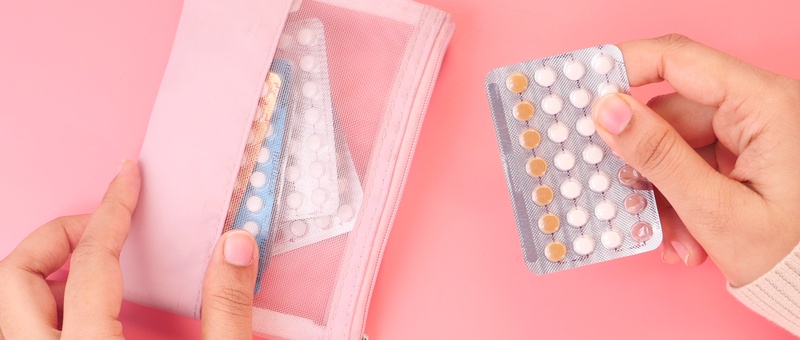
After stopping birth control, you may notice physical or emotional changes in your body. While not officially recognised as a medical condition, these symptoms are often referred to as post-birth control syndrome (PBCS).
Vill du få tillgång till preventivmedel online?
Starta en snabb NHS Pharmacy First-konsultation online via Patient.info.
- Online och tillgänglig dygnet runt, behandling kan ofta levereras redan nästa dag.
- Gratis tjänst, just pay the NHS prescription charge online if required.
- Svara bara på några frågor och välj sedan en tid för ett samtal med vårdpersonal.
Drivs av Evaro, en brittisk reglerad vårdtjänst som hjälper över 2 miljoner patienter. Granskad av brittiskt registrerad vårdpersonal.

There are many reasons you might choose to stop taking birth control - whether it's because you can no longer take it, no longer need it, or simply no longer want to.
Debbie Grayson, Pharmacist and Nutritional Therapist, Practice With Confidence, Greater Manchester, UK explains that post-birth control syndrome (PBCS) refers to a collection of symptoms that some people have after discontinuing hormonal contraceptives.
"PBCS is not an officially recognised medical diagnosis, but the symptoms are real and can be distressing," she says. "They typically emerge within four to six months after stopping birth control."
Grayson outlines the most common PBCS symptoms:
Acne.
Irregular periods.
Humörsvängningar.
Hair loss.
You may experience breast tenderness, a decrease in sex drive, and weight gain - though this last symptom could be influenced by various factors unrelated to your birth control.
What causes post-birth control syndrome?
Most forms of birth control work to prevent pregnancy, by releasing synthetic hormones into your body that stop your ovaries from releasing eggs. If there is no egg to be fertilised, then sperm is unable to fertilise it during sex to make a baby.
There are eight types of birth control available in the UK, all of which are free through the NHS. You can access them via your doctor, sexual health clinics, or selected pharmacies.
Birth control options available in the UK
Combined pill - an oral contraceptive that contains both oestrogen and progestogen hormones.
Progestogen-only pill - an oral contraceptive commonly called the 'mini pill', that contains the hormone progestogen.
IUS (intrauterine system) - a small, plastic device, also called a 'hormonal coil', that releases progestogen into your womb.
Preventivmedelsimplantat - a small, plastic rod, inserted under the skin of your arm, that contains the hormone progestogen.
Preventivmedelsinjektion - an injection that contains the hormone progestogen.
Preventivmedelsplåster - a square patch applied to your skin, that contains the hormone progestogen.
Vaginal ring - a small, plastic ring placed inside your vagina, that releases oestrogen and progestogen hormones.
IUD (intrauterine device) - a device, also known as a 'copper coil', that releases copper into your womb to stop sperm from surviving and fertilising an egg.
After you stop taking birth control, its effects typically disappear within about a month.
Grayson explains, however, that during this time, your body's hormone levels will take some time to adjust.
"This can lead to temporary disruptions," she explains. "Factors such as nutrient depletion, gut health, and hormonal detoxification play roles in this transition."
How is PBCS diagnosed and managed?
As mentioned above, PBCS is not currently recognised as a health condition in the UK. As a result, you cannot seek a formal diagnosis from your doctor, even if you are having symptoms that may be related to it.
However, if you’re having symptoms such as irregular periods, mood swings, acne, fatigue, or digestive issues, it’s important to seek advice from a healthcare professional.
Grayson explains that there are several supportive strategies you can focus on to help restore your body’s natural balance and processes.
Top up on nutrients
Research suggests that hormonal contraceptives may deplete essential nutrients - such as B vitamins, magnesium, zinc, and vitamin C. Replenishing these through a balanced diet or targeted supplements can support your energy levels, mood, and overall hormonal health.
Boost your hormonal balance
Supporting your body’s natural hormone production is key to overall wellbeing.
According to Grayson, you can nurture your hormonal balance by:
Fuelling your body with a nutrient-rich diet - including healthy fats such as omega-3s, plenty of fibre, and quality protein.
Managing stress - through mindfulness practices, good sleep hygiene, and regular exercise.
Minimising exposure to hormone-disrupting chemicals - by choosing safer skincare, avoiding plastic containers, and using non-toxic household products.
Keep your gut healthy
The health of your gut plays a crucial role in hormone metabolism and detoxification. Maintaining a healthy gut microbiome can help reduce symptoms such as bloating, acne, and mood swings.
This can be supported by:
Eating probiotic-rich foods - såsom yoghurt, kimchi, and kefir.
Increasing your fibre intake.
Avoiding processed foods and excess sugar.
Grayson recommends checking in with a healthcare professional for personalised guidance after stopping birth control.
If you choose to come off it, it's important to tell your doctor so they can support you through the transition and help manage any after-effects.
How long does post-birth control syndrome last?
It can take up to three months for your body to adjust after stopping birth control, and irregular periods during this time are common. However, if your menstrual cycle hasn’t settled after three months or if you’re having symptoms that interfere with daily life - such as painful or heavy periods - it’s important to speak with your doctor. They can offer tailored advice, support and, in some cases, may perform clinical tests or physical examinations to identify the underlying cause of your symptoms.
Vill du få tillgång till preventivmedel online?
Starta en snabb NHS Pharmacy First-konsultation online via Patient.info.
- Online och tillgänglig dygnet runt, behandling kan ofta levereras redan nästa dag.
- Gratis tjänst, just pay the NHS prescription charge online if required.
- Svara bara på några frågor och välj sedan en tid för ett samtal med vårdpersonal.
Drivs av Evaro, en brittisk reglerad vårdtjänst som hjälper över 2 miljoner patienter. Granskad av brittiskt registrerad vårdpersonal.
Patientval för Preventivmedel
Sexuell hälsa
Vilka typer av kondomer är bäst för att förhindra graviditet?
Det finns många olika kondomer att välja mellan, i en mängd olika färger, former och storlekar. En kondom hjälper till att förhindra sexuellt överförbara infektioner (STI) och, när den används korrekt, hjälper den till att skydda mot graviditet 98% av gångerna. Men siffrorna är ofta inte lika bra i praktiken eftersom kondomer inte alltid används korrekt.
av Victoria Raw

Sexuell hälsa
Är fertilitetsappar en pålitlig form av preventivmedel?
Hormonal contraception has had a bad press in recent years, with studies linking it to breast cancer and mental health side effects such as depression and anxiety. All that, combined with the rise of so-called 'fem tech', and the burgeoning trend for all things natural - from organic beauty products to 'clean' and plant-based diets - has led to an increased interest in more natural family planning options. But do any of them really work?
av Sarah Graham
Om författarenVisa fullständig biografi
Författad av

Victoria Raw
Featureförfattare
BA (Hons), Engelsk litteratur
Victoria är en innehållsskribent på Patient, med särskilda intressen som sträcker sig över mental välbefinnande, samhälleliga trender och teknikens påverkan på vår hälsa.
Om recensentenVisa fullständig biografi

Dr Colin Tidy, MRCGP
Allmänläkare, Medicinsk Författare
MBBS, MRCGP, MRCP (Paediatrics), DCH
Dr Colin Tidy är en NHS-läkare, baserad i Oxfordshire.
Artikelhistorik
Artikeln finns också på Engelska, Tyska, Spanska, Franska, Italienska, Portugisiska, Hindi, Hebreiska, Arabiska, och Svenska.
Nästa granskning ska göras senast: 19 jun 2028
18 Jun 2025 | Ursprungligen publicerad
Författad av:
Victoria RawGranskad av
Dr Colin Tidy, MRCGP
Dela dina tankar eller erfarenheter med andra i vår patientgemenskaper.
Enkel tillgång till pålitliga behandlingar och hälsotjänster online.
Common conditions
Get help with common conditions through the NHS, without a GP appointment.





Anmäl dig till Patientens nyhetsbrev
Din veckovisa dos av tydliga, pålitliga hälsoråd - skrivna för att hjälpa dig känna dig informerad, självsäker och i kontroll.
Genom att prenumerera accepterar du våra Sekretesspolicy. Du kan avsluta prenumerationen när som helst. Vi säljer aldrig dina uppgifter.