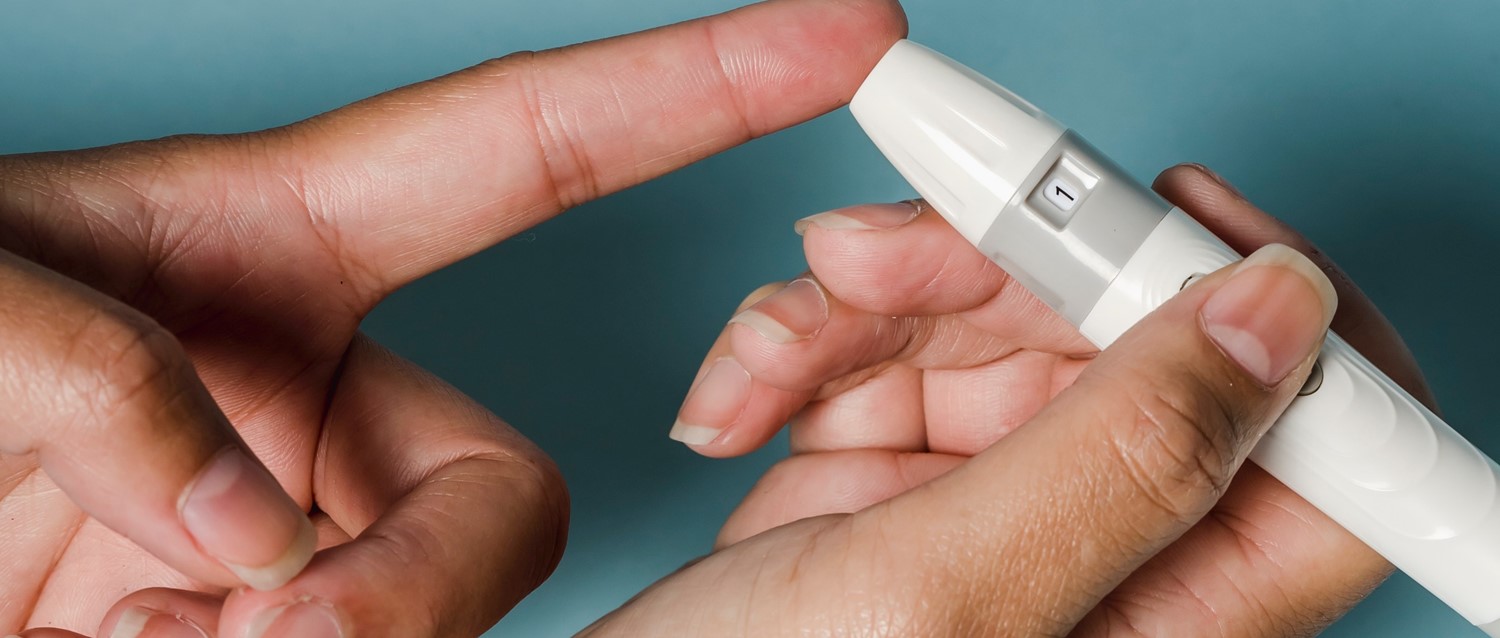
Vad är en 'hypo' och kan du få en om du inte har diabetes?
Granskad av Dr Sarah JarvisFörfattad av Lydia SmithUrsprungligen publicerad 12 nov 2021
Uppfyller patientens redaktionella riktlinjer
- Ladda nerLadda ner
- Dela
- Language
- Diskussion
- Ljudversion
- Lägg till i föredragna källor på Google
Hypoglykemi - ofta i vardagligt tal kallad en 'hypo' - inträffar när någons blodsockernivå sjunker för lågt. Även om det främst påverkar personer med diabetes, särskilt om de tar insulin, kan det också vara möjligt för dem utan diabetes att uppleva en hypo. Men varför händer hypoglykemi egentligen - och vilka är riskerna?
Anmäl dig till vår kostnadsfria 10-veckors kurs om diabetes!
Varje vecka kommer vi att utforska ett nytt ämne för att hjälpa dig att bättre förstå och hantera din diabetes, inklusive vardagsliv och mediciner, till mental hälsa, det senaste inom diabetesteknik och näring.
Genom att prenumerera accepterar du våra Sekretesspolicy. Du kan avsluta prenumerationen när som helst. Vi säljer aldrig dina uppgifter.
What is a hypo?
"Hypoglykemi, often referred to as a 'hypo' is when blood sugar levels are too low, usually below 4 mmol/L," says Douglas Twenefour, deputy head of care at Diabetes UK.
"Low blood sugar can happen if the balance of food consumed, physical activity, and diabetes medication taken, such as insulin or a sulfonylurea, isn't right," he explains. "For example, hypos can sometimes happen if you don't consume enough carbohydrates, if you do lots of exercise without having extra carbs or reducing your insulin, or if you take more insulin than you need."
Hypoglycaemia is different from hyperglykemi, which occurs when you have too much sugar in your bloodstream. This affects people with diabetes whose medication isn't controlling their blood sugar well enough.
What are the symptoms and risks of a hypo?
Although people can have different symptoms of hypoglykemi, the most common symptoms of low blood sugar are feeling shaky, sweaty, hungry, disorientated, orolig, tired, tearful or irritable.
Someone experiencing a hypo may also go pale and experience huvudvärk, palpitations, a fast pulse or blurred vision, or may find it difficult to concentrate. Sometimes, the lips can feel tingly too. In cases of severe or untreated hypoglycaemia, these symptoms can lead to confusion, impaired vision, loss of consciousness, anfall or even death.
"Hypos can happen quickly, and there is evidence that regular hypos can be linked to an increased risk of cardiovascular diseases," says Twenefour. "A severe hypo can lead to death if not treated, so it's important to know how to prevent it, what to look out for, and how to treat it."
Can you have a hypo if you don't have diabetes?
"While hypos are less common in those without diabetes, they can sometimes occur, usually due to other medical conditions or as a result of long periods of fasting, or consuming a lot of alcohol," says Twenefour.
If you don't have diabetes, hypoglycaemia can happen if your body isn't able to stabilise your blood sugar levels. It can also happen after meals if your body produces too much insulin. However, hypoglycaemia in people who don't have diabetes is much less common than hypoglycaemia that occurs in people who have diabetes or related conditions.
"Hypos are the most common side effect of insulin treatment, and are more common in people living with typ 1-diabetes - which is managed using insulin - compared to those with type 2," adds Twenefour.
Reactive and non-reactive hypoglycaemia
There are two types of hypoglycaemia - reactive and non-reactive. Reactive hypoglycaemia occurs when someone experiences low blood glucose levels a few hours after eating a meal, due to too much insulin being produced and released.
Non-reactive hypoglycaemia is not directly related to food consumption. It can be caused by certain medications, such as kinin, as well as illnesses involving the liver, kidneys, pancreas or adrenal glands.
It can also be caused by fasting, alkohol overconsumption, hormonal problems and tumours, which can impact the body's ability to release insulin and lead to low blood sugar levels. Hypoglykemi can also occur among people who have had gastric bypass surgery.
How can you prevent a hypo?
If you have diabetes, you can reduce your chance of getting a low blood sugar level if you check your levels regularly when you are taking medication that can cause hypos. Insulin and sulfonylureas are the most commonly prescribed diabetes medicines which can lead to hypoglycaemia.
It's also important to be aware of the symptoms and to carry a sugary snack or drink with you, such as glucose tablets or sweets. You can also prevent hypoglycaemia by eating regular meals and being careful when drinking alcohol.
If you are drinking alcohol, don't consume large amounts, check your blood sugar level regularly and eat a carbohydrate-based snack afterwards. When exercising, eating a carbohydrate snack before exercise can help to reduce the risk of a hypo too.
If you take some types of diabetes medicine, your doctor may recommend you take a lower dose before or after doing intense tränings. It's important to talk to your diabetes care team if you keep experiencing hypoglycaemia.
If you don't have diabetes and think you are getting symptoms of low blood sugar, speak to your doctor so they can try to find out the cause.
Patientval för Diabetes mellitus
Diabetes
Hur tekniken förändrar diabetes
Technology’s role in diabetes care continues to grow at great speed. Developers and researchers are working to create many different technology tools to help many aspects of diabetes, including diagnosis, patient information, treatment, monitoring glucose levels, detecting complications and even providing individual patient care using telemedicine.
av Dr Colin Tidy, MRCGP

Diabetes
Hur man hanterar diabetes under Ramadan
If you have either type 1 or type 2 diabetes and observe fasting during Ramadan, are there any special precautions you can take to ensure you stay well?
av Dr Sarah Jarvis
Om författarenVisa fullständig biografi

Lydia Smith
Featureförfattare
BA, MA, MSc
Lydia Smith är en prisbelönt journalist och featureförfattare som har skrivit mycket om kvinnors hälsa och mental hälsa. Hon studerar för närvarande en MSc i psykologi.
Om recensentenVisa fullständig biografi

Dr Sarah Jarvis
Klinisk konsult
MA (Cantab), BM, BCh (Oxon), DRCOG, FRCGP, MBE
Efter att ha utbildat sig i medicin vid Cambridge och Oxford blev Dr Sarah Jarvis MBE allmänläkare.
Artikelhistorik
Informationen på denna sida är granskad av kvalificerade kliniker.
Artikeln finns också på Engelska, Tyska, Spanska, Franska, Italienska, Portugisiska, Hindi, Hebreiska, Arabiska, och Svenska.
12 nov 2021 | Ursprungligen publicerad
Författad av:
Lydia SmithGranskad av
Dr Sarah Jarvis

Fråga, dela, anslut.
Bläddra i diskussioner, ställ frågor och dela erfarenheter inom hundratals hälsorelaterade ämnen.

Känner du dig sjuk?
Bedöm dina symtom online gratis
Anmäl dig till Patientens nyhetsbrev
Din veckovisa dos av tydliga, pålitliga hälsoråd - skrivna för att hjälpa dig känna dig informerad, självsäker och i kontroll.
Genom att prenumerera accepterar du våra Sekretesspolicy. Du kan avsluta prenumerationen när som helst. Vi säljer aldrig dina uppgifter.
Mer om diabetes
- Kan lightdrycker orsaka typ 2-diabetes?
- Kan probiotika behandla fetma och diabetes?
- Kan du ansöka om sjukersättning om du har diabetes?
- Diabetesdiet: hantering av typ 2-diabetes
- Diabetes ökar risken för hjärtsvikt, särskilt hos kvinnor
- Diabetesteknologi
- Matinköpstips för personer med diabetes
- Hur jag vände min typ 2-diabetes - Matts berättelse
- Managing type 2 diabetes with exercise
- MHRA godkänner teplizumab för att fördröja utvecklingen av typ 1-diabetes
- Tecken på typ 2-diabetes hittade hos barn så unga som åtta år
- Slowdown in type 2 diabetes cases
- Att hålla sig till en växtbaserad kost minskar risken för typ 2-diabetes
- De bästa sporterna att prova om du har typ 2-diabetes
- Sambandet mellan diabetes och psykiska hälsotillstånd
- Video: Hur vet du om du har typ 2-diabetes?
- Varför det är så viktigt att ta hand om dina fötter om du har diabetes
- Varför lågt blodsocker är farligt
- Varför kontroller för typ 2-diabetes är så viktiga
- Your diabetes medicines explained