Which foods help to fight infection?
Peer reviewed by Dr Colin Tidy, MRCGPLast updated by Lynn StephenLast updated 8 Oct 2025
Meets Patient’s editorial guidelines
- DownloadDownload
- Share
- Language
- Discussion
- Audio Version
- Add to preferred sources on Google
As temperatures fall in the UK, it's the time of year when infections such as the common cold and flu spread more easily. But what you eat can provide a level of protection for you and your loved ones.
When your body is fighting an infection, it needs all the help it can get. Of course, rest and hydration both play vital roles in recovery and good health. But food provides the nutrients and energy to help overcome illness and get you back on your feet. So, which food groups are best when you're trying to shake off an infection?
How do foods fight infection?
You've probably heard the phrase 'you are what you eat' and often associate it with weight loss and general health. However, when you're sick, food is key for ensuring you have nutrients, energy, and a strong immune function. While it may be tempting to stay in bed and eat comfort food, poor nutritional choices can slow down the recovery process and make some symptoms worse.
Eating a balanced diet, gives you essential vitamins, minerals, and nutrients. All of which contribute to maintaining and strengthening your body and its functions. From organ health and bone strength, to fighting infections, good food will benefit your current and long-term health.
Fruits and vegetables
When considering which foods are best to fight infection, fruit and veg probably have the most impact as they contain a range of vitamins and minerals to help your immune system. Nutritionists consider variety to be beneficial as different fruit and vegetables contain unique proportions of minerals, vitamins, and micronutrients.
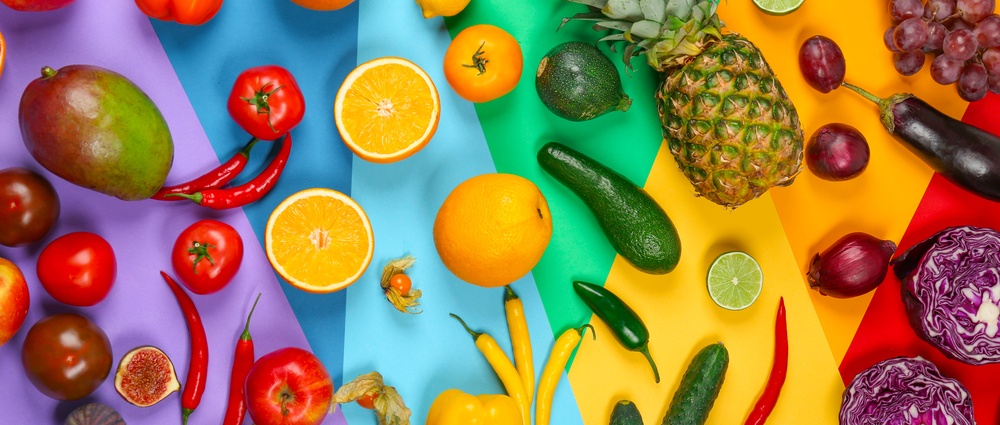
Eating the 'rainbow' - lots of different coloured fruits - will help get all the variety needed into your body.
Vitamin C is important as it improves your body's ability to fight harmful germs while strengthening your defence against invading germs.
The following are excellent sources of vitamin C:
Citrus fruits.
Strawberries.
Tomatoes.
Broccoli.
Brussels sprouts.
Spinach.
Bell peppers.
Vitamin A is also effective for improving immunity and can even protect against certain types of cancer. Beta carotene is the primary source of vitamin A in your diet, for which carrots are a great source. But any orange, yellow, or red vegetables are ideal for increasing your vitamin A levels.
Libby Linford, registered nutritional therapist and founder of the Surrey Centre for Nutrition, explains that the importance of fruit and vegetables cannot be underestimated when it comes to positive impacts on the immune system.
She says: "Eating a variety of vegetables and some fruit supplies important fibres (prebiotics) to the beneficial bacteria, helping them to grow, flourish, and regulate immune activity. Fruit and veg also supply important nutrients such as vitamins and minerals required by the immune system - for example, vitamins A and C, and minerals such as magnesium and zinc."
Protein
Protein helps your body grow, repair, oxygenate, digest food, and regulate hormones. So it's safe to say it has an important job. Getting enough protein is a cornerstone of a balanced diet, especially when fighting infections. A lack of dietary protein can impact your immune system and weaken your defences against diseases by disrupting the production of T cells and antibodies.
Insufficient protein reduces your energy levels and your body's ability to repair itself. Both are crucial for overcoming the symptoms of an infection and a successful recovery period.
Fantastic protein sources include:
Seafood.
Poultry.
Lean meats.
Beans and legumes.
Eggs.
Certain dairy products.
Also, such a range of protein-rich foods allows for a balanced and healthy diet regardless of dietary choices and restrictions.
Herbs and spices
Herbs and spices help to boost immunity and fight infections thanks to the anti-inflammatory and anti-bacterial compounds within. Ginger and turmeric are go-to herbs and spices - ginger is a great antioxidant and turmeric has anti-bacterial properties. Both are easy enough to introduce into your daily diet by adding them to hot drinks, soups, sauces, salads, and much more.
Also, fresh leaves such as coriander, mint, and basil contain antioxidants and can have a calming effect. Green tea is another ideal choice as it has a high polyphenol content, known for being an antioxidant and benefiting our immune system.
Probiotics
Probiotics are good bacteria - also called microorganisms. Some are already inside your body, and others are in fermented foods such as yoghurts. Probiotics stimulate and strengthen your immune system, but their key benefit is regulating your gut health. Doing so ensures you digest food properly and get as much help from its nutrients.
A healthy gut gets the most out of the foods you eat and maximises health benefits. Poor gut health can cause inflammation and reduces your body's ability to absorb nutrients. This means you'll be getting less of what your body needs, and your immune system will be busy fighting inflammation.
Linford says probiotics are beneficial bacteria that reside in a healthy digestive tract. We can get probiotics from foods such as fermented produce - including kimchi, sauerkraut, kefir, kombucha, and yoghurt.
Nuts and seeds
Nuts and seeds are a quick and easy way to improve your diet. They may be small, but they offer many benefits and are simple to add to your diet. Whether you snack on a handful or add them to your favourite meals - your immune system will benefit.
Nuts and seeds are rich in minerals and fatty acids, nutrient-dense, and contain vitamin E - which is crucial for cell repair after infection.
A healthy diet is vital for making your body work as it should and fighting off infections. The food groups mentioned in this article can easily be included in your daily diet and benefit your health.
Patient picks for Healthy eating
Allergies, blood and immune system
How to naturally boost your immune system
When the winter months arrive, so do viruses like colds and flu - and our immune systems have to work to fight them off. But how do our immune systems work to tackle germs - and what can you do to support it?
by Lydia Smith
Diet and nutrition
Simple ways to follow a Mediterranean diet
A Mediterranean diet conjures up an image of fresh fish and colourful salads doused in olive oil, washed down with a glass of red wine - all while sitting in the sun of course. While we may not have reliable sunshine in the UK, we can certainly tap into the wide-ranging health benefits offered by the Mediterranean diet.
by Lynn Stephen
About the authorView full bio

Matt Binny
Feature writer
BA Applied Media
About the reviewerView full bio

Dr Colin Tidy, MRCGP
General Practitioner, Medical Author
MBBS, MRCGP, MRCP (Paediatrics), DCH
Dr Colin Tidy is an NHS Doctor, based in Oxfordshire.
Article history
The information on this page is peer reviewed by qualified clinicians.
Article also available in English, German, Spanish, French, Italian, Portuguese, Hindi, Hebrew, Arabic, and Swedish.
Next review due: 7 Oct 2028
8 Oct 2025 | Latest version
2 Mar 2023 | Originally published
Authored by:
Matt Binny
Join the conversation
Share your thoughts or experiences with others in our patient communities.

Ask, share, connect.
Browse discussions, ask questions, and share experiences across hundreds of health topics.

Feeling unwell?
Assess your symptoms online for free
Sign up to the Patient newsletter
Your weekly dose of clear, trustworthy health advice - written to help you feel informed, confident and in control.
By subscribing you accept our Privacy Policy. You can unsubscribe at any time. We never sell your data.
More in diet and nutrition
- Are juice cleanses good for you?
- Diabetes diet: managing type 2 diabetes
- Does my diet really affect my immune system?
- Everything you should know about the 3-day sardine fast
- Honey may be the natural buzz you need to fuel your workouts
- How gut bacteria affect mood, focus and brain health
- How much meat should we be eating?
- How much protein do you need to build muscle?
- How to avoid iron deficiency
- How to fast safely during Ramadan
- How to help your kids eat healthily over Christmas
- Plant-based proteins could help prevent high blood pressure
- The latest superfood - what's the fuss around microgreens?
- Two soft drinks a day may increase risk of early death
- What are the benefits of baby probiotics?
- What is 'Skinnymaxxing' - and why are health experts concerned about it?
- What is clean eating and how can you start?
- What is the Eatwell Guide? A balanced diet explained
- What is the link between stroke recovery and gut health?
- Which pregnancy vitamins do I really need?