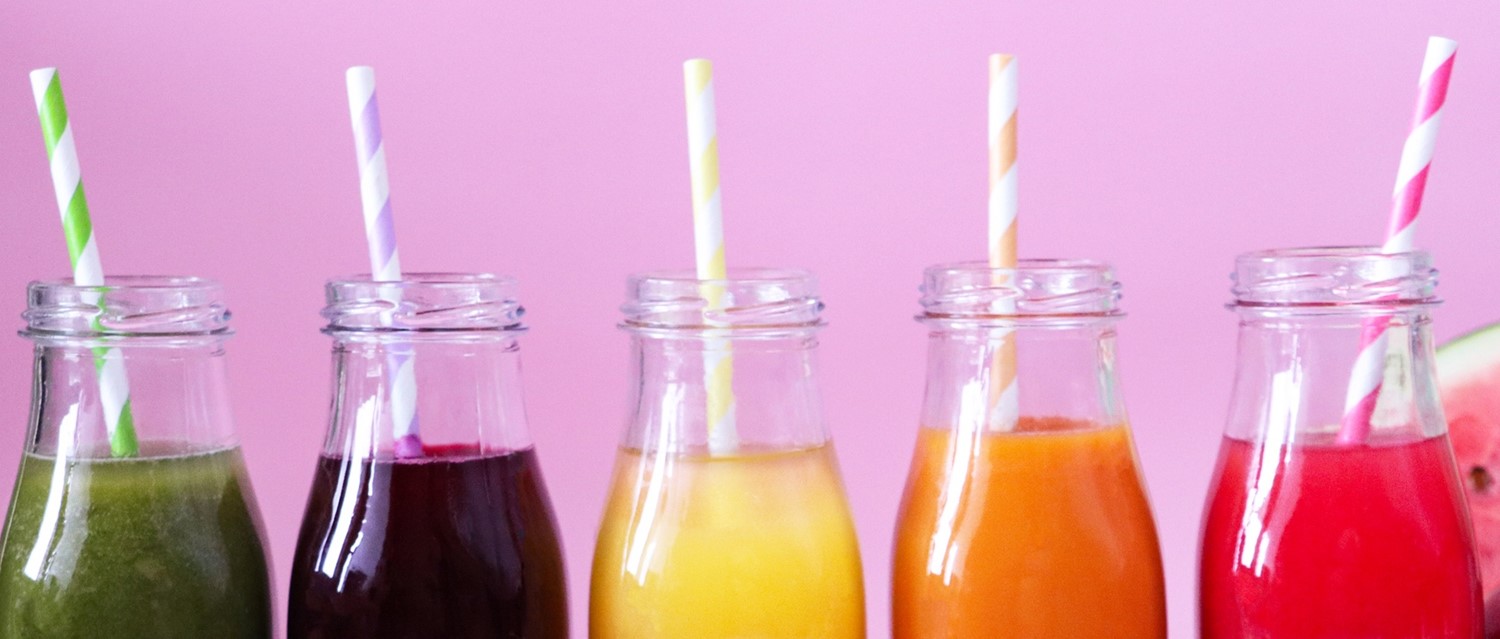
Juice: Is juicing fruits and vegetables good for us?
Peer reviewed by Dr Krishna Vakharia, MRCGPAuthored by Lydia SmithOriginally published 8 Nov 2023
Meets Patient’s editorial guidelines
- DownloadDownload
- Share
- Language
- Discussion
- Audio Version
- Add to preferred sources on Google
Colourful juices line the shelves of our favourite cafes, promising benefits from better digestion to clearer skin. But is drinking our fruits and vegetables really better for us than just eating them whole?
Juicing - extracting the nutritious juices from fresh fruits and vegetables - has become increasingly popular in recent years.
Usually, juicing gets rid of the solid matter, such as the pulp, and leaves the liquid behind - which contains vitamins, minerals and antioxidants. Antioxidants are substances that may protect your cells against free radicals, which may play a role in heart disease, cancer and other diseases.
Benefits of juicing
Vitamins and minerals
When you’re in a rush or on the move, drinking a fresh juice can be more convenient than trying to peel an orange. Fruits and vegetables are full of vitamins, minerals and antioxidants, so drinking the juice can be a good way to add them to your diet - especially if you struggle to eat your 5-a-day.
One study found that supplementing your diet with mixed fruit and vegetable juice over 14 weeks improved levels of beta carotene, vitamin C, vitamin E, selenium, and folate, which are all important nutrients1.
Research also suggests that when consumed in moderation as part of a healthy diet, fruit juice is linked to improved cardiovascular health, reduced risk of stroke and reduced blood pressure2.
However, whilst drinking juice in moderation - as part of a healthy diet - may have some health benefits - drinking too much juice may lead to health issues because it tends to contain a lot of sugar.
Downsides of juicing
Missing fibre
When you make juice, you often lose the solid parts of the fruit or vegetable, which is where most of the dietary fibre is found. Fibre is essential for our digestive health, helps to lower cholesterol levels, controls your blood sugar levels3.
Therefore, eating fruits or vegetables whole - for example, snacking on a satsuma rather than having a glass of orange juice - is a better way to get more nutrients as well as fibre.
High in sugar
Fruit juice is often high in sugar. All fruit contains fructose, a type of sugar. However, juicing releases the sugars in fruit - making them ‘free’ sugars, the type we are advised to cut back on.
Also, because juice contains less fibre, the sugar is absorbed into the blood more quickly than if you were to eat a piece of fruit. This can lead to increased appetite and sugar cravings, which can lead to eating more sugar and increases your risk of obesity and type 2 diabetes.
Drinking too much juice can also lead to tooth decay4.
Extra calories
Juice is easy to consume in large quantities, which can mean you’re taking in extra calories, which can lead to weight gain.
Studies suggest that when you drink fruit juice, you do not eat less of other foods - so you may just end up consuming more calories than if you drank water5.
Keeping juice healthy
Drinking juice can come with health benefits if you consume it in moderation - this is around 150 ml of juice per day. Also, how healthy a juice is depends on where it is from. Shop-bought juices may contain more sugar or other additives.
Blending fruits and vegetables - including the solid parts, like the flesh and seeds - into a smoothie may be a better way to up your nutrient intake without losing any fibre.
Juice recipes
Mixing up fruit and vegetables is a good way to cut down on your sugar intake. Use a juicer to blitz together apple, carrot and orange, or add in a handful of raspberries too.
Try a cucumber, apple and spinach juice for a morning pick-me-up, or a fresh ginger, apple and lemon juice for a vitamin boost with a kick.
Further reading
Patient picks for Nutrition

Diet and nutrition
Are pumpkin seeds good for you?
Pumpkin seeds aren't just for Halloween. While they might remind you of carving autumn jack-o'-lanterns, many people enjoy them year-round for their health benefits. Let’s take a closer look at what pumpkin seeds have to offer and see if they deserve a permanent spot in your diet.
by Victoria Raw
Diet and nutrition
Whole grain heroes: Why eat ancient grains?
Today, there are hardly any foods we eat that haven't been modified by humans in some way. As experts discover more health benefits of the planet's most natural foods, attention has turned to a food group that hasn't been altered for thousands of years - ancient grains.
by Heather Ainsworth
About the authorView full bio
Authored by

Lydia Smith
Feature writer
BA, MA, MSc
Lydia Smith is an award-winning journalist and feature writer who has written extensively on women's health and mental health. She is currently studying for an MSc in psychology.
About the reviewerView full bio

Dr Krishna Vakharia, MRCGP
Chief Medical Officer for Health, Optum UK
MBChB, MRCGP(2013), BMedSci (hons), DFSRH, DRCOG, PGDipDerm (Distn)
Dr Krishna Vakharia is an NHS GP. She is also a regular examiner for the postgraduate Diploma in Practical Dermatology at Cardiff University as well as being the Chief Medical Officer for health at Optum UK.
Article history
Article also available in English, German, Spanish, French, Italian, Portuguese, Hindi, Hebrew, Arabic, and Swedish.
8 Nov 2023 | Originally published
Authored by:
Lydia SmithPeer reviewed by
Dr Krishna Vakharia, MRCGP
Join the conversation
Share your thoughts or experiences with others in our patient communities.

Ask, share, connect.
Browse discussions, ask questions, and share experiences across hundreds of health topics.

Feeling unwell?
Assess your symptoms online for free
Sign up to the Patient newsletter
Your weekly dose of clear, trustworthy health advice - written to help you feel informed, confident and in control.
By subscribing you accept our Privacy Policy. You can unsubscribe at any time. We never sell your data.