
Why you don't need to detox
Granskad av Dr Colin Tidy, MRCGPSenast uppdaterad av Victoria RawLast updated 14 May 2025
Uppfyller patientens redaktionella riktlinjer
- Ladda nerLadda ner
- Dela
- Language
- Diskussion
- Ljudversion
- Add to preferred sources on Google
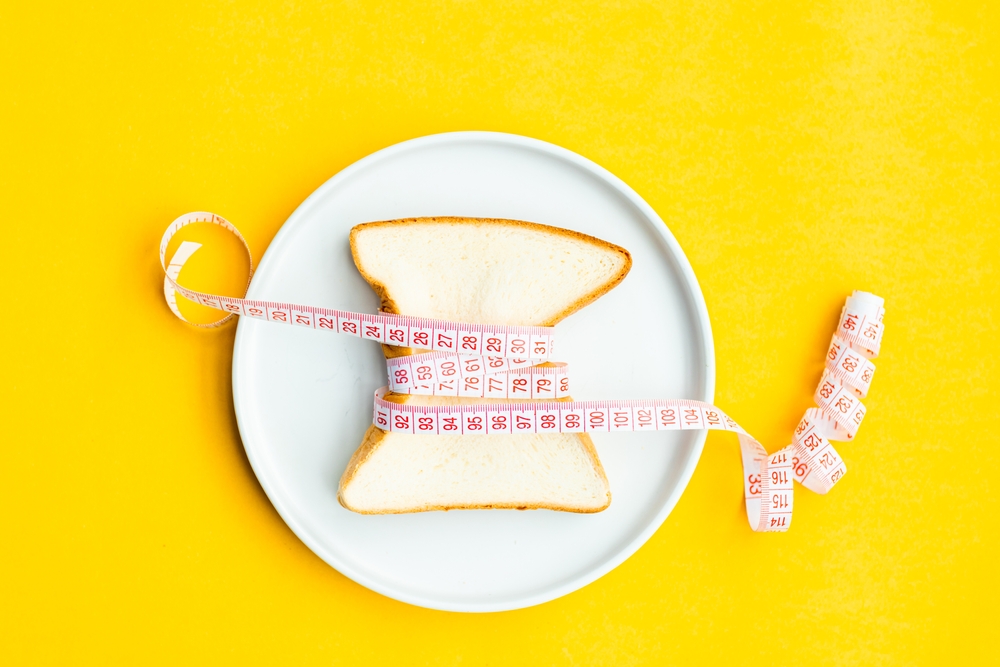
Detox diets and cleanses, which are often celebrity endorsed, promise a significant weight loss in a short space of time. But is this quick fix better than going to a gym and putting in the hard work?

I den här artikeln:
Video picks for Kost
The simple answer is no. Instead of focusing solely on extremely low-calorie consumption, you should consider the crucial role your brain plays in regulating body weight.
Dr Jason McKeown, visiting scholar in Neuroscience at the Center for Brain and Cognition, University of California, San Diego says that most traditional methods of dieting and detoxing - such as juice detoxes, cabbage soup, eliminating carbs - are ineffective long-term.
"When people stop dieting, this will all almost certainly lead to significant 'bounce back' - with some regaining all of the weight they have just lost," he explains. "Ultimately, your brain automatically controls what weight we need to be, so doing an intense detox for a few weeks almost never leads to any meaningful weight loss in the long run."
During a detox diet, whole food groups are cut out while caffeine, alkohol, socker and processed foods are restricted. Most of the weight lost will be water, stored glycogen and waste products, and most - if not all - of the weight will be regained once returning to 'normal' eating habits.
Fortsätt läsa nedan
Is detox necessary?
Scientific evidence suggests that detox diets and cleanses are neither necessary nor valuable. Your body is perfectly capable of eliminating unwanted contaminants. Your liver, kidneys and digestive system, and enzymes in cells, are continuously breaking down toxins and internal waste.
Dr Tuya Chuluuntulga, a GP based in London, UK explains that your body has a robust cleansing system to help you get rid of metabolic waste and harmful toxins.
"When we chew food, amylase enzymes produced by saliva help to break down carbohydrate," says Chuluuntulga. "Proteases break down protein in your stomach and small intestine. Lipases break down fat and oil in your small intestine. These digestive enzymes break down nutrients into small soluble molecules that can be absorbed.
"A variety of waste products are filtered by your liver. Your kidneys remove waste and toxins from your body. The colon reabsorbs fluids and gets rid of food left over after the nutrients are absorbed from it and other waste. We don't need to detox because it doesn't offer any clinically proven health benefits."
Chuluuntulga adds that not only are detox diets unsuitable for people with certain medical conditions - such as cancer, diabetes, and those with weakened immune systems - they could also harm your health.
"There is no research providing evidence they improve health outcomes such as blood pressure, or kolesterol," she says. "Nor is there evidence to suggest they have a long-lasting effect on weight."
Safety concerns
Tillbaka till innehållFurthermore, some detox diets are extreme and if followed for long periods can have negative effects on your body.
These may present as:
Nutritional deficiencies.
A lack of energy.
An increase in food cravings - due to food groups being restricted.
Unhealthy eating patterns and behaviours.
Embarking on a new diet, even a detox, forces you to evaluate your diet, while also being more motivated to increase the amount of fruit and vegetables you eat, drink more water, and cut down on junk food, alcohol and caffeine.
These are, however, long-term efforts and should become part of a healthy eating regime. They are not a quick fix to viktnedgång.
Chuluuntulga says: "There are healthier ways to achieve your target weight - such as adopting a healthy lifestyle.
"It is important to nourish and maintain your body's robust self-cleansing system with a balanced healthy diet, regular tränings, adequate fluid intake, sufficient sömn and a positive mindset."
Fortsätt läsa nedan
A more effective alternative
Tillbaka till innehållTaking a long-term approach that allows your brain to adjust to weight loss is widely recommended.
McKeown advises you maintain a slow and healthy weight loss, through moderate changes to your lifestyle.
Dessa kan inkludera:
Better nutrition choices.
Modest physical activity - such as a brisk walk a few times a week.
"These are much more sustainable and therefore less likely to lead to rebound weight gain," he explains.
Detox diets claim to help eliminate toxins from your body and aid weight loss while also promoting health and wellbeing. However, there is no clinical evidence to support such claims.
While they might help in the short term, the reality is that any weight lost during detox is likely to be regained once you return to your normal eating habits. Instead, doctors and nutritionists recommend a long-term approach to weight loss which allows your body and brain to adjust to a healthier lifestyle - including a diet rich in fruit and vegetables with regular exercise.
Patient picks for Kost
Kost och näring
Wegovy diet: Foods to eat and avoid
If you’ve started using Wegovy for weight loss, or you’re thinking about it, it’s very normal to wonder what foods you should or should not eat. In this article, Nutrition experts at Genwell offer their advice on what you should really be eating to get the most out of Wegovy.
by Bogomila Tosheva
Kost och näring
Could your diet be your best anti-ageing secret?
When we think about anti-ageing, our attention often turns to outward signs - fewer wrinkles, a trimmer figure, and hair less touched by grey. However, by prioritising what's happening inside our bodies, we can live a longer, healthier life, both inside and out.
av Victoria Raw
Fortsätt läsa nedan
About the authorView full bio

Kerry Taylor-Smith
Freelance journalist
BSc (Hons) Natural Sciences
Kerry has been a freelance writer, editor and proofreader since 2016; she specialises in science and health-related topics.
About the reviewerView full bio

Dr Colin Tidy, MRCGP
General Practitioner, Medical Author
MBBS, MRCGP, MRCP (Paediatrics), DCH
Dr Colin Tidy is an NHS Doctor, based in Oxfordshire.
Artikelhistorik
Informationen på denna sida är granskad av kvalificerade kliniker.
Next review due: 15 May 2028
14 May 2025 | Senaste versionen
2 Jan 2019 | Ursprungligen publicerad
Författad av:
Kerry Taylor-Smith

Fråga, dela, anslut.
Bläddra i diskussioner, ställ frågor och dela erfarenheter inom hundratals hälsorelaterade ämnen.

Känner du dig sjuk?
Bedöm dina symtom online gratis
Anmäl dig till Patientens nyhetsbrev
Din veckovisa dos av tydliga, pålitliga hälsoråd - skrivna för att hjälpa dig känna dig informerad, självsäker och i kontroll.
By subscribing you accept our Sekretesspolicy. Du kan avsluta prenumerationen när som helst. Vi säljer aldrig dina uppgifter.