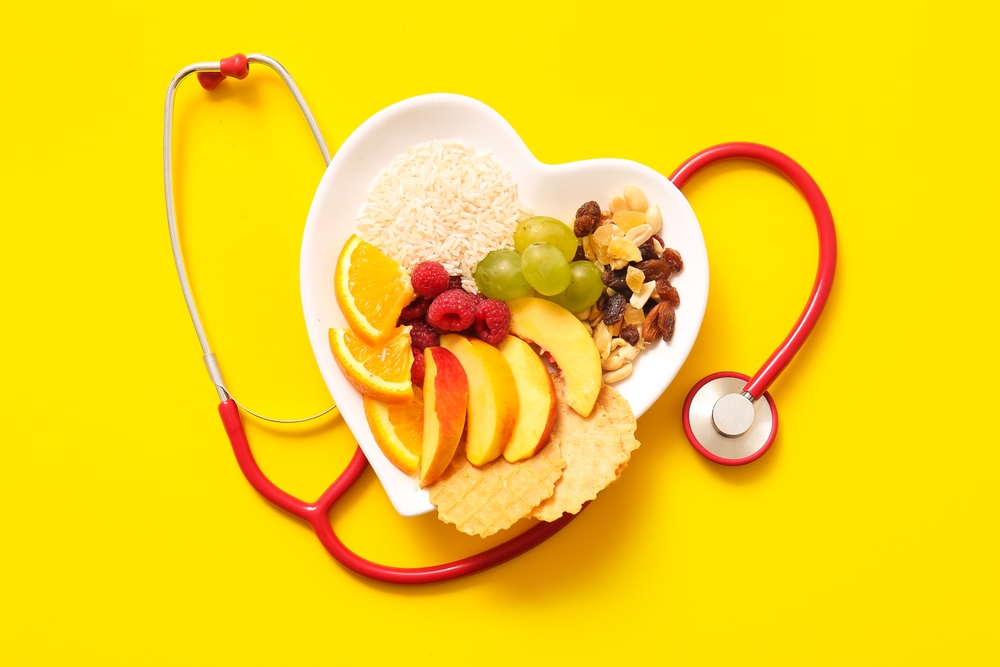
Hur kosten påverkar ditt hjärta
Granskad av Dr Colin Tidy, MRCGPSenast uppdaterad av Josh AldermanSenast uppdaterad 24 Jul 2026
Uppfyller patientens redaktionella riktlinjer
- Ladda nerLadda ner
- Dela
- Language
- Diskussion
- Ask Patient
- Ljudversion
- Lägg till i föredragna källor på Google
Uttrycket 'du är vad du äter' är mest sant när det gäller ditt hjärta. Det du stoppar i din kropp har en stor inverkan på din lever, dina tarmar, dina njurar och din hjärna - men också på dina artärer, som förser alla dina organ med livsviktigt syre.
Hur din kost påverkar ditt hjärta
Hjärtsjukdom is one of the leading causes of illness and death worldwide, but many of the factors that increase your risk can be influenced by your lifestyle.
Diet plays an important role in keeping your heart and blood vessels healthy, affecting everything from kolesterol and blood pressure to blood sugar levels and body weight.
No single food can prevent heart disease, but eating a balanced diet rich in nutritious foods can help lower your risk over time.
Why does diet matter for heart health?
The foods you eat provide the nutrients your heart needs to function properly. They also influence several risk factors for cardiovascular disease, including cholesterol levels, blodtryck, blood sugar, and body weight.
A heart-healthy diet can help keep your blood vessels healthy, reduce strain on your heart and lower the risk of conditions such as hjärtattack och stroke.
Combined with regular exercise, not smoking and getting enough sleep, healthy eating is one of the most effective ways to protect your heart.
How diet affects cholesterol levels
Cholesterol is a fatty substance that your body needs to build cells and produce hormones. However, having too much low-density lipoprotein (LDL), often called "bad" cholesterol, can cause fatty deposits to build up inside your arteries. Over time, this can narrow the arteries and increase the risk of heart attack and stroke.
Diet can have a significant effect on cholesterol levels. Foods high in saturated fat, such as processed meats, butter, pastries and some full-fat dairy products, can raise LDL cholesterol in some people.
Replacing saturated fats with unsaturated fats found in foods such as olive oil, avocados, nuts, and seeds may help improve cholesterol levels. Eating plenty of fibre, particularly soluble fibre from oats, beans, lentils, and fruit, can also help lower LDL cholesterol.
How diet influences blood pressure
Blood pressure is the force of blood pushing against the walls of your arteries. High blood pressure makes your heart work harder and increases the chance of heart disease, stroke, and njursjukdom.
A diet high in salt can contribute to raised blood pressure, particularly in people who are sensitive to sodium. Most adults consume more salt than recommended, much of it from processed and packaged foods rather than the salt added during cooking.
Eating plenty of fruit and vegetables provides potassium, which helps balance the effects of sodium. Reducing highly processed foods and choosing fresh ingredients more often can also help support healthy blood pressure.
How blood sugar levels affect your heart
Persistently high blood sugar can damage blood vessels over time, increasing the risk of heart disease. This is particularly important for people with diabetes eller prediabetes, who have a higher risk of developing cardiovascular disease.
Eating foods that provide steady energy, such as wholegrains, beans, pulses, and vegetables, can help avoid large spikes in blood sugar. Limiting sugary drinks and highly processed foods may also support healthy blood sugar control.
How weight and body fat affect heart health
Carrying excess body fat, particularly around your waist, is associated with an increased risk of heart disease. It can contribute to high blood pressure, raised cholesterol, insulin resistance, and typ 2 diabetes, all of which place extra strain on your heart.
Rather than focusing on restrictive diets or rapid weight loss, aim for sustainable eating habits that include a variety of nutrient-rich foods. Even modest weight loss can improve heart health in people who have overweight or obesity.
Can food cause inflammation in your body?
Inflammation is part of the body's natural defence system, but long-term, low-grade inflammation has been linked to the development of heart disease.
While no single food causes or cures inflammation, overall dietary patterns appear to influence inflammatory processes. Diets rich in vegetables, fruit, wholegrains, legumes, nuts, seeds, and oily fish are associated with lower levels of inflammation.
By contrast, diets high in processed foods, sugary drinks, and saturated fats may contribute to inflammation and poorer cardiovascular health.
Which diet is best for heart health?
There is no single "perfect" diet, but some eating patterns have consistently been linked with better heart health.
Mediterransk kost
Den Mediterransk kost is one of the most well-researched eating patterns for cardiovascular health. It emphasises vegetables, fruit, wholegrains, beans, lentils, nuts, seeds, olive oil, and fish, while limiting processed foods and red meat.
Research suggests that following a Mediterranean-style diet may help lower the risk of heart disease and stroke. It has also been linked with improvements in cholesterol levels, blood pressure, and blood sugar control.
DASH
Den Dietary Approaches to Stop Hypertension (DASH) diet was developed to help lower blood pressure but also benefits overall heart health.
It focuses on fruit, vegetables, wholegrains, low-fat dairy foods, lean protein, beans, and nuts while limiting foods high in salt, saturated fat, and added sugar. Studies have shown that the DASH diet can reduce blood pressure and may lower the risk of cardiovascular disease.
How to keep your heart healthy
Alongside eating a balanced diet, these habits can help protect your heart:
Eat at least five portions of fruit and vegetables each day.
Choose wholegrain bread, rice, and pasta where possible.
Include healthy fats from foods such as olive oil, nuts, and oily fish.
Limit foods high in saturated fat, salt, and added sugar.
Cut back on ultra-processed foods where possible.
Stay physically active and aim for regular exercise.
Maintain a healthy weight.
Have regular health checks if you have risk factors for heart disease.
Sammanfattning
A healthy diet can help lower your risk of heart disease by improving cholesterol, blood pressure, blood sugar, and weight.
Eating a balanced diet alongside other healthy lifestyle habits is one of the best ways to protect your heart over time.
Patientval för Kost

Kost och näring
Enkla sätt att följa en medelhavsdiet
En medelhavsdiet framkallar en bild av färsk fisk och färgglada sallader dränkta i olivolja, sköljda med ett glas rött vin - allt medan man sitter i solen förstås. Även om vi kanske inte har pålitlig solsken i Storbritannien, kan vi definitivt dra nytta av de omfattande hälsofördelarna som erbjuds av medelhavsdieten.
av Lynn Stephen
Hjärthälsa och blodkärl
DASH-diet - hälsosam kost som hjälper till att sänka blodtrycket
DASH-dieten är en hjärthälsosam diet som sänker blodtrycket och kolesterolet. Denna kostplan är långt ifrån specialiserad och kan gynna många människor - oavsett om du vill förbättra dålig hjärthälsa, hantera ett relaterat tillstånd eller skydda dig mot framtida hälsoproblem.
av Lynn Stephen
Om författarenVisa fullständig biografi
Uppdaterad av

Josh Alderman
SEO-chef
BA (Hons) Media and Print Journalism
Josh is an SEO executive at Patient with over 4 years experience working within the healthcare sphere.
Författad av

Dr Sarah Jarvis
Klinisk konsult
MA (Cantab), BM, BCh (Oxon), DRCOG, FRCGP, MBE
Efter att ha utbildat sig i medicin vid Cambridge och Oxford blev Dr Sarah Jarvis MBE allmänläkare.
Om recensentenVisa fullständig biografi

Dr Colin Tidy, MRCGP
Allmänläkare, Medicinsk Författare
MBBS, MRCGP, MRCP (Paediatrics), DCH
Dr Colin Tidy är en NHS-läkare, baserad i Oxfordshire.
Artikelhistorik
Artikeln finns också på Engelska, Tyska, Spanska, Franska, Italienska, Portugisiska, Hindi, Hebreiska, Arabiska, och Svenska.
Next review due: 23 Jul 2029
24 Jul 2026 | Senaste versionen
16 Jun 2018 | Ursprungligen publicerad
Författad av:
Dr Sarah Jarvis
Dela dina tankar eller erfarenheter med andra i vår patientgemenskaper.
Enkel tillgång till pålitliga behandlingar och hälsotjänster online.
Common conditions
Get help with common conditions through the NHS, without a GP appointment.





Anmäl dig till Patientens nyhetsbrev
Din veckovisa dos av tydliga, pålitliga hälsoråd - skrivna för att hjälpa dig känna dig informerad, självsäker och i kontroll.
Genom att prenumerera accepterar du våra Sekretesspolicy. Du kan avsluta prenumerationen när som helst. Vi säljer aldrig dina uppgifter.