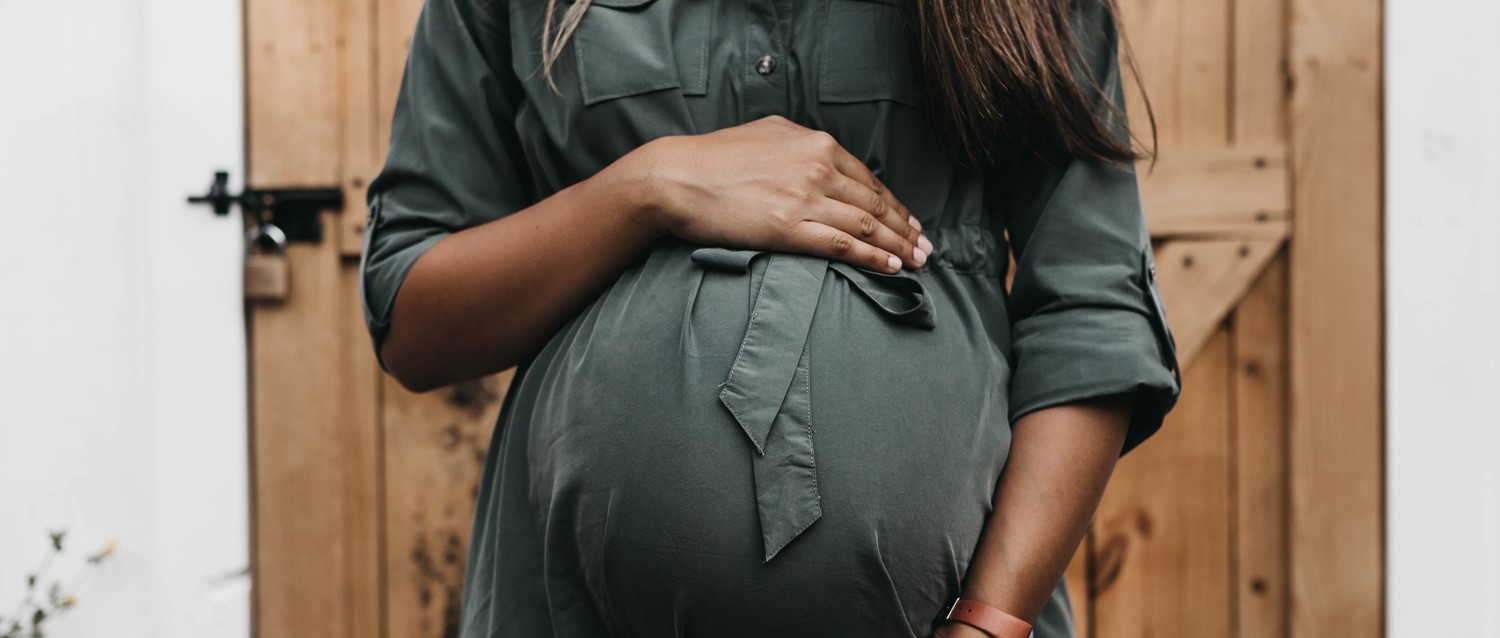
How to deal with negative body image in pregnancy
Granskad av Dr Sarah JarvisSenast uppdaterad av Lydia SmithSenast uppdaterad 4 Dec 2021
Uppfyller patientens redaktionella riktlinjer
- Ladda nerLadda ner
- Dela
- Language
- Diskussion
- Ljudversion
- Lägg till i föredragna källor på Google
Pregnancy isn't always the magical time we are often led to believe it is. Not only can symptoms like nausea and backache be difficult to cope with, it's a big life event that can affect your mood and emotions. Even though it's a normal part of pregnancy, seeing your body change as your bump develops can also be challenging too.
Anmäl dig till vår gratis 8-veckors kurs om en hälsosam graviditet!
Varje vecka delar vi användbar information och viktiga tips om ämnen som näring, motion, mental hälsa, symtom att vara uppmärksam på och förberedelser inför förlossningen, för att hjälpa dig navigera din graviditetsresa oavsett vilket stadium du befinner dig i.
Genom att prenumerera accepterar du våra Sekretesspolicy. Du kan avsluta prenumerationen när som helst. Vi säljer aldrig dina uppgifter.
Why pregnancy can affect your body image
Many mums struggle to mentally process the body changes during graviditeten. According to a undersökning of more than 1,500 women, just over 41% of women who had been pregnant said they felt more negative about their bodies afterwards. A further 18% felt 'much more negative', while 23% felt 'slightly more negative' about their post-pregnancy bodies.
"Through adolescence and beyond, we can all struggle with fluctuating kroppsuppfattning influenced by a vast array of factors," says Dr Marielle Quint, chartered clinical psychologist at The Soke, a mental health clinic in London.
How we feel about our bodies is a complex issue, often influenced by strict and unrealistic social and cultural beauty ideals. Our personal experiences, such as bullying, trauma, our health and relationships, can all contribute to negative body image too.
Social media often plays a significant role, as it allows us to compare ourselves to other people and idealised bodies. What we see on Instagram, TikTok and Pinterest is rarely a genuine insight into other people's lives, which can lead us to have unrealistic expectations about our own experiences.
Feeling 'alien'
During graviditeten, existing concerns about kroppsuppfattning can become exacerbated. Even if you've not experienced negative feelings about your body before, you may find yourself struggling with it feeling 'alien' as your body changes during pregnancy.
"These issues can become increasingly complex during pregnancy, as it is naturally a time where weight gain and changes in our body are inevitable, rapid and largely out of our control," says Quint.
"There is also something about pregnancy that seems to give others often well-intended, but ill-perceived, licence to comment on size and shape," she adds. "Ordinarily, unacceptable comments can feel incredibly difficult for women struggling to inhabit their constantly evolving gravid bodies."
Reality of pregnancy
It's also normal to experience a disconnect between what you thought graviditeten would be like, compared to the reality. You may also find yourself comparing your body and pregnancy experience to other people's on sociala medier, where thinness is often valued above all else.
Negative feelings towards your body can be compounded by other mood problems such as ångest eller depression. Not only do pregnancy hormones impact mentala hälsa, pregnancy and fears over childbirth and child-rearing can lead us to feel overwhelmed and low. In some cases, women may find themselves mourning their 'old' lives as they navigate the challenges of pregnancy and new motherhood.
"It's OK to have complex feelings about what your body is going through, but you have to keep in mind that it's all part of producing your beautiful baby," says Tina Prendeville, midwife for the pregnancy charity Tommy’s.
"Recognise that your body is going through a huge challenge and celebrate the amazing thing it's doing. It's also important to remember that pictures on sociala medier or in the news are often edited and unrealistic - and even in person, you can't compare yourself to other mums, because there's really no such thing as normal."
How to feel better about yourself during pregnancy
Stay active
We tend to associate exercise with viktnedgång, but it's a great way to boost our mentala hälsa. Fysisk aktivitet can relieve feelings of ångest, tension and stress, while enhancing well-being through the release of endorphins.
"Staying active throughout pregnancy will not only keep you physically fit but can help you feel better psychologically too. There are lots of pregnancy safe exercises, such as swimming, cycling, springa, walking and styrketräning," says Prendeville.
"Reconnect with your body in a positive way, maybe through pregnancy massage, Pilates or yoga. Whatever you do, try to focus on how you feel rather than how you look. Your health and your baby are far more important."
Try to be realistic about your weight
It's natural to put on weight during graviditeten. As well as the small human you're growing, other things will be contributing to your weight gain. This includes the placenta, amniotic fluid, extra water in the body and growing breasts.
These changes might feel strange and uncomfortable, but it's important to be realistic about normal and desirable weight gain, says Quint.
Eating a balanced diet and keeping active can help you stay at a healthy weight during pregnancy. This includes eating plenty of whole grains and fiber-rich foods, at least five portions of fruit and veg every day and cutting back on high-fat or high-sugar food and drinks.
Get rid of the scales
If you're struggling with your appearance, removing scales from your bathroom can help. While it's important to maintain a healthy weight, the urge to weigh yourself every day can be damaging to your mentala hälsa.
Take a break from social media
Social media is flooded with images of glowing, slim pregnant women. However, this isn't necessarily the reality for many women during pregnancy.
Seeing these unrealistic images can lead us to compare our appearance to others, which can negatively impact our mental well-being. Taking a break from Instagram, Pinterest and other apps - or being more mindful when you go on them - can provide some much needed relief.
Get professional help
If you're struggling with your mental health or experiencing ångest eller depression in pregnancy, it's important to speak to your doctor. They may advise samtalsterapi - for which you can self-refer on the NHS - or medication.
Sometimes, poor kroppsuppfattning is linked to negative past experiences. Talking therapy and rådgivning can be a good way to explore these feelings and overcome mental health issues.
"If your distress is significantly impacting your life, or it brings up past trauma or exacerbates pre-existing difficulties, it may be that it would be helpful to seek therapeutic support," says Quint. "A qualified professional who can support you through this exciting but emotionally challenging time."
Speak to people you trust
It's important not to keep negative feelings or emotions to yourself. Speak to trusted friends or family about how you feel and any worries you might have. They may not have answers, but sharing a problem can make it feel less overwhelming.
Speaking to other pregnant friends can help too. Apps like Peanut connect women with others and there may be local peer support groups in your area too.
Patientval för Mentalt välbefinnande
Graviditet
Vilka beteendeförändringar kan du förvänta dig under graviditeten?
Strong moods and emotions are very common in pregnancy, but when do they become more than just normal pregnancy changes? We look at what you should look for and when to seek medical advice.
av Dr Jennifer Kelly, MRCGP

Graviditet
Hur man får tillgång till stöd för mental hälsa under graviditeten
Pregnancy can be a happy and exciting time, but not for everyone. It's common to have mixed or negative feelings about being pregnant and it can be difficult to navigate the changes and uncertainties that expecting a baby can bring. If you're having mental health problem in pregnancy, it's important to seek professional help - and there are several ways to receive mental health support in pregnancy. Read on to find out how best get help.
av Lawrence Higgins
Om författarenVisa fullständig biografi

Lydia Smith
Featureförfattare
BA, MA, MSc
Lydia Smith är en prisbelönt journalist och featureförfattare som har skrivit mycket om kvinnors hälsa och mental hälsa. Hon studerar för närvarande en MSc i psykologi.
Om recensentenVisa fullständig biografi

Dr Sarah Jarvis
Klinisk konsult
MA (Cantab), BM, BCh (Oxon), DRCOG, FRCGP, MBE
Efter att ha utbildat sig i medicin vid Cambridge och Oxford blev Dr Sarah Jarvis MBE allmänläkare.
Artikelhistorik
Informationen på denna sida är granskad av kvalificerade kliniker.
Artikeln finns också på Engelska, Tyska, Spanska, Franska, Italienska, Portugisiska, Hindi, Hebreiska, Arabiska, och Svenska.
4 Dec 2021 | Senaste versionen
4 Dec 2021 | Ursprungligen publicerad

Fråga, dela, anslut.
Bläddra i diskussioner, ställ frågor och dela erfarenheter inom hundratals hälsorelaterade ämnen.

Känner du dig sjuk?
Bedöm dina symtom online gratis
Anmäl dig till Patientens nyhetsbrev
Din veckovisa dos av tydliga, pålitliga hälsoråd - skrivna för att hjälpa dig känna dig informerad, självsäker och i kontroll.
Genom att prenumerera accepterar du våra Sekretesspolicy. Du kan avsluta prenumerationen när som helst. Vi säljer aldrig dina uppgifter.
Mer om graviditet
- Påverkar hormonell preventivmedel din sexlust?
- Hur en underaktiv sköldkörtel påverkar fertiliteten
- Hur vanligt är manlig infertilitet, och vad orsakar det?
- Hur påverkar graviditet ditt jobb?
- Hur man får tillgång till stöd för mental hälsa under graviditeten
- Hur man hanterar rädslan för förlossning
- Hur man hanterar ångest under graviditeten
- Hur man skapar en förlossningsplan
- How to feel more confident about childbirth
- Är det säkert att hoppa över mensen när man tar p-piller?
- Miscarriage: why it's important to break the taboo
- Myter om dagen-efter-piller avlivade
- Pregnancy symptoms - when to act
- Hemliga shoppare: Får kvinnor den bästa rådgivningen om preventivmedel?
- Bör du oroa dig för bäckensmärta under graviditeten?
- De bästa och sämsta tiderna på året att bli gravid
- Sanningen om att bli gravid efter 40
- Video: When are you most likely to get pregnant?
- Hur det är att föda barn på juldagen
- Kommer vi någonsin att ha ett manligt preventivpiller?