Pinsamma problem
Granskad av Dr Colin Tidy, MRCGPSenast uppdaterad av Dr Hayley Willacy, FRCGP Senast uppdaterad 22 dec 2020
Uppfyller patientens redaktionella riktlinjer
- Ladda nerLadda ner
- Dela
- Language
- Diskussion
- Ask Patient
- Ljudversion
- Lägg till i föredragna källor på Google
Innehållsmeddelande
Den här sidan har inte granskats på senare tid, så viss information eller vissa externa länkar kan ha ändrats.
Det finns vissa problem som du kan tycka är svåra att prata om. Du kan också tycka att det är svårt att prata med din läkare om dem. Din allmänläkare eller sjuksköterska på mottagningen kommer att ge stöd och erbjuda råd om hur du hanterar dem. De har sett dessa problem många gånger tidigare och kommer inte att skratta åt dig eller tycka att du är dum för att du ber om hjälp. Några vanliga problem listas nedan. För de flesta av de listade problemen finns det mer information tillgänglig när du följer de angivna länkarna.
Överblick
Anogenital warts are small lumps on genitals or around the anus.
They are caused by human papillomavirus (HPV).
HPV is spread through close skin-to-skin sexual contact.
Treatment options include chemicals or physical methods like freezing.
If you have anogenital warts, you will usually be tested for other STIs.
Stöd för psykisk hälsa för vuxna och barn
Online-KBT och psykologisk terapi för vuxna och barn i åldern 8–17 år. Onebrights ackrediterade kliniker hjälper personer som upplever ångest, depression och andra känslomässiga utmaningar.
Anogenital (anal or genital) warts
Anogenital warts are small lumps that develop on the genitals and/or around the back passage (anus). They are caused by a virus called the human papillomavirus (HPV). There are over 100 types of this virus. The virus is passed on by sexual contact. You need close skin-to-skin contact to pass on the virus. This means that you do not necessarily need to have penetrative sex to pass on infection. Sharing sex toys may also pass on infection. Very rarely, anogenital warts may be passed on from hand warts. They may also rarely be passed on to a baby when a woman gives birth.
Treatment options include chemicals or physical treatments such as freezing to destroy the warts. If you have anogenital warts, you will usually be advised to have tests to check for other sexually transmitted infections.
See the separate leaflet called Anogenital Warts for more details.
Bad breath (halitosis)
In most cases of persistent bad breath, the smell comes from a build-up of germs (bacteria) within the mouth - for example, in:
Food left hanging around the mouth.
Plaque and gum disease.
A coating on the back of the tongue.
Good oral hygiene will often solve the problem. That is, regular teeth brushing, cleaning between the teeth, cleaning the tongue, and mouthwashes. Other causes of persistent bad breath are uncommon.
Se de separata broschyrerna kallade Bad Breath (Halitosis) och Oral Hygiene för mer information.
Kroppslukt
Body odour (BO) is caused by germs (bacteria) on your skin breaking down sweat into acids. Sweat in itself without the bacteria working on it does not usually smell. However, sweat may smell if you eat and drink certain foods such as garlic, spices and alcohol. Antidepressant medicines may also make your sweat smell. Being overweight or having certain medical conditions such as diabetes can also make BO more likely.
The best way to avoid BO is to keep the areas of your skin that tend to sweat clean and free of bacteria. You should wash armpits, genitals and feet with soap every day. Clothes should be changed and washed regularly. Antiperspirants reduce the amount of sweat you produce. Deodorants mask the smell of BO. Shaving armpit hair can help reduce BO, as hair can trap sweat and bacteria.
Crabs (pubic lice)
Pubic lice are tiny insects that live on humans, usually in the pubic hair. They are passed on through close body contact, such as when having sex. Infestation with pubic lice can cause itching; however, not everyone affected has symptoms. Treatment involves killing the lice by using an insecticide lotion or cream.
If you have caught pubic lice from a sexual partner, you should be tested for other sexually transmitted infections.
See the separate leaflet called Pubic and Body Lice for more details.
Curving penis (Peyronie's disease)
This is a condition in which patches of scar tissue (fibrous plaques) develop along the shaft of the penis. This can result in bending or changes in the shape (deformity) of the penis. It can be mild and cause no problems. For some people, erection may be painful, or there may be difficulties with sexual intercourse. The options for treatment include medicines which may be taken by mouth, applied to the surface of the penis or injected into the scar tissue. Stretching, electrical treatment, lasers and surgery are other options. In rare cases, the condition may clear up completely but most men find that it either stays the same or becomes worse over time.
See the separate leaflet called Peyronie's Disease for more details.
Dandruff (seborrhoeic dermatitis)
Seborrhoeic dermatitis is a skin condition which causes bad dandruff and sometimes a rash, commonly on the face and upper body. An antifungal shampoo and/or an antifungal cream will usually clear the dandruff and rash. The condition tends to recur. If it recurs frequently, regular use of an antifungal shampoo and/or cream can help to keep it away.
See the separate leaflet called Seborrhoeic Dermatitis (Dandruff) for more details.
Erektil dysfunktion
Erectile dysfunction (ED) means that you cannot get a proper erection. There are various causes. However, many cases are due to narrowing of the arteries that take blood to the penis. This is due to a build-up of patches of fatty material (atheroma) in these arteries. This is similar to the way the heart arteries are affected in people with heart disease. As with heart disease, smoking and heavy alcohol drinking are important risk factors. Most cases of ED can be treated. The common treatment is to take a tablet before you plan to have sex. There are also various other treatment options. If you have ED, you may also be advised on lifestyle factors and treatments to minimise your risk of developing heart disease.
See the separate leaflet called Erectile Dysfunction (Impotence) for more details.
För tidig utlösning
This is the term used when a man comes (ejaculates) more quickly than he and/or his partner would like during sex. It means you ejaculate very soon after putting your penis inside (penetrating) your partner, or even before penetration if you are very excited. It is not really known what causes premature ejaculation.
Many men do not seek help from their doctor for this problem so it is not known how common it is. Research suggests it affects about one to three out of every one hundred men. Some studies suggest it can be as common as thirty men in a hundred.
Det finns tabletter som kan vara hjälpsamma, antingen tas regelbundet eller vid behov. Krämer eller sprayer som bedövar penisen kan också användas. Andra behandlingar inkluderar vissa tekniker som används under sex, och psykologiska behandlingar.
See separate leaflet called Premature Ejaculation for more details.
Excessive sweating (hyperhidrosis)
Excessive sweating is a common problem, especially of the palms, armpits and soles. It can be distressing and can have a serious impact on your life. In some cases, affected people avoid social contact with others because of embarrassment about the problem. However, the condition is usually treatable. If you have armpit sweating:
Try using normal antiperspirants regularly.
Avoid clothes that more easily show up sweat marks.
Wear clothing which is loose under the armpits.
Avoid clothes made with man-made fibres such as Lycra® and nylon.
Consider using dress shields (also known as armpit or sweat shields) to absorb excess sweat and protect delicate or expensive clothing.
There are some stronger antiperspirants available at pharmacies or on prescription from your doctor if these measures have not helped. Other treatment options are available.
See the separate leaflet called Excessive Sweating (Hyperhidrosis) for more details.
Hair loss (baldness or alopecia)
Male pattern baldness affects over half of men to some extent over the age of 50 and affects most men at some stage in their lives. Typically, at first the hair starts to become thin (recede) at the front. At the same time, the hair usually becomes thin on the top of the head. A bald patch gradually develops in the middle of the scalp. The receding front and the bald patch on the top (the crown) gradually enlarge and join together. Most affected men do not wish to have any treatment. If required, treatment can usually prevent further hair loss and often cause hair regrowth. These treatments are not available on the NHS.
A similar condition affects women but in a different pattern. In women it tends particularly to affect the top of the head. It may also be a more general thinning of hair all over the head. Hair thinning in women is much more common after the menopause. Around a third of white Caucasian women in the UK have some hair loss once they reach the age of 70.
Alopecia areata is another type of hair loss that typically causes patches of baldness. In some cases, total baldness develops. The typical pattern is for one or more bald patches to appear on the scalp. These tend to be round in shape, and about the size of a large coin. They develop quite quickly. A relative, friend or hairdresser may be the first person to notice the bald patch or patches. Apart from the bald patch or patches, the scalp usually looks healthy and there is no scarring. In many cases, the hair re-grows, typically after several months. In some cases, the hair loss is permanent. Treatments to promote hair re-growth work in some cases.
Se de separata broschyrerna kallade Male Pattern Baldness och Alopecia Areata för mer information.
Itchy bottom (pruritus ani)
Pruritus ani means a persistent (chronic) itchy feeling around the bottom (anus). The main symptom is an urge to scratch your bottom, which is difficult to resist. The urge to scratch may occur at any time. However, it tends to be more common after you have been to the toilet to poo, and at night (particularly just before falling asleep). The itch may be made worse by heat, wool, moisture, leaking, soiling, stress and anxiety.
If the itch is persistent and you are not sure of the cause, it is best to see a doctor. As there are a number of possible causes, it is best to be examined and checked out by a doctor to diagnose or rule out known causes. Treatment depends on the cause.
Skabb
Scabies is a contagious, extremely itchy skin disorder that leads to a rash. It is caused by an infestation with a parasite - the scabies mite. The mite lives on the skin and burrows into it. Scabies is spread to others through close skin-to-skin contact. You need close skin-to-skin contact with an infected person to catch scabies. This is because the scabies mite cannot jump or fly. Most cases of scabies are probably caught from prolonged hand-holding with an infected person. The hand is the most common site to be first affected. Close skin-to-skin contact when having sex is another common way of catching scabies. It is easily treated with an insecticide lotion applied to the skin. Two applications of treatment are needed, one week apart.
See the separate leaflet called Scabies for more details.
Smelly feet
This problem is usually caused by excessive sweating and wearing the same shoes every day. The following measures may help:
Keep your feet clean and dry your feet well, especially between your toes.
Wear dry shoes. Try to let the shoes dry out (from sweat) before you wear them again. Wear a different pair of shoes on alternate days, so you don't wear the same pair every day. Avoid boots and types of sports shoes which are less breathable. These keep the sweat in, which means the shoes dry less well.
Change your socks (which should be cotton or wool) every day. It may help to change them twice a day or more.
You can use normal antiperspirants on your feet. Absorbent foot powders may help.
You can buy medicated insoles for shoes.
Vaginalt utsöndring
Vaginal discharge is common for many women. Most of the time the symptom is part of the normal cycle of monthly changes for women. Common causes of abnormal discharge are bacterial vaginosis (BV) and thrush (candida, a fungal infection). BV may clear without treatment but some cases may need to be treated with antibiotics.
See the separate leaflet called Bacterial Vaginosis for more details.
The discharge from thrush is usually creamy white and quite thick; however, it is sometimes watery. You usually have itching around your vagina. Thrush can be treated with medication bought from a chemist. The pharmacist will be able to help you.
See the separate leaflet called Vaginal Thrush (Yeast Infection) for more details.
If you have a smelly vaginal discharge, or soreness in that area which is not clearing up, see your GP or go to your nearest genitourinary medicine (GUM) clinic.
Wetting yourself (urinary incontinence)
Urinary incontinence is a common problem, affecting women more commonly than men. Stress incontinence and urge incontinence are the most common types of incontinence. It can range from a small dribble now and then, to large floods of urine. Incontinence may cause you distress as well as being a hygiene problem. Having a urine infection can make the problem worse. Treatment depends on the type of incontinence. Men with enlargement of their prostate gland may have a feeling of urgency, meaning if they don't get to the toilet in time, they may wet themselves.
Se de separata broschyrerna kallade Stress Incontinence, Urge Incontinence, Prostate Gland Enlargement och Bedwetting (Nocturnal Enuresis) för mer information.
Wind (flatulence, gas)
Most people fart (pass wind) around 5-15 times per day. Gas collects in the gut in two ways. Small amounts of air are swallowed at the same time as you swallow food or drink; or by gas being produced as a result of the process of digesting food. Some foods produce more gas than others, such as beans, cauliflower and cabbage. The body removes the gas by burping and farting. These are normal processes like breathing. An unpleasant smell is usually caused by a gas called sulphur. This is produced when food isn't digested properly and begins to decompose. Excess wind may be a symptom of an underlying problem such as förstoppning eller irritable bowel syndrome.
Most of the time, changing diet and lifestyle will help. Keep a food diary so you can see which foods make the problem worse. Then you will be able to adjust your diet accordingly. Having plenty of exercise also helps your bowel work better. Stopping smoking can help, as smokers tend to swallow more air than normal. Smoke can also irritate your gut. Occasionally, medication may be needed. Some remedies are available from your chemist. Ask a pharmacist for advice.
See the separate leaflet called Wind/Gas and Bloating for more details.
Patientval för Andra psykiska hälsoproblem
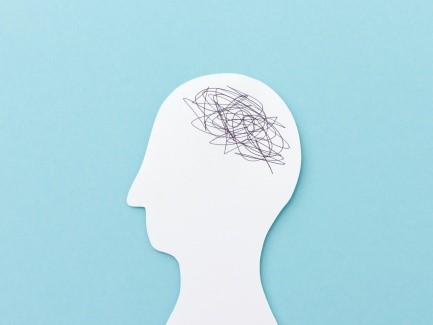
Mentalt välbefinnande
Psykosomatiska störningar
Psykosomatisk betyder sinne (psyke) och kropp (soma). En psykosomatisk störning är en sjukdom som involverar både sinne och kropp.
av Dr Caroline Wiggins, MRCGP

Mentalt välbefinnande
Självskada
Självskada är vanligt och kan förekomma i alla åldrar, men tenderar att vara vanligare bland unga människor. Det är inte exakt känt hur många som självskadar eller hur ofta, eftersom det är ett problem som ofta döljs. En nyligen genomförd nationell studie i Storbritannien fann dock att cirka 7 av 100 flickor i åldern 11-16 år, och 3 av 100 pojkar i åldern 11 till 16 år, hade självskadat eller försökt begå självmord vid något tillfälle. För 17- till 19-åringar hade 21 av 100 flickor och 9 av 100 pojkar självskadat eller försökt begå självmord. För vissa människor är självskada en engångshändelse, men det är också vanligt att självskada upprepade gånger. Personer som självskadar är mycket mer benägna att försöka begå självmord.
av Dr Colin Tidy, MRCGP
Vanliga frågor
Can excessive sweating in the armpits be treated without strong antiperspirants?
Yes, before resorting to stronger antiperspirants, you can try several measures for armpit sweating. These include using normal antiperspirants regularly, choosing clothing that doesn't easily show sweat marks, wearing loose-fitting clothes under the armpits, and avoiding clothing made with man-made fibres like Lycra® and nylon. Dress shields can also be used to absorb sweat and protect clothing.
How can I prevent body odour from recurring if I follow good hygiene practices?
To prevent body odour, it's crucial to consistently keep areas that tend to sweat clean and free of bacteria by washing daily with soap, especially armpits, genitals, and feet. Changing and washing clothes regularly is also important. Antiperspirants can reduce sweat production, while deodorants can mask smells. Shaving armpit hair may also help, as hair can trap sweat and bacteria.
Are there any natural ways to combat smelly feet?
To combat smelly feet, focus on keeping your feet clean and thoroughly dry, particularly between the toes. Wear dry shoes, and alternate pairs daily to allow them to dry out from sweat, avoiding less breathable boots and sports shoes. Change cotton or wool socks daily, or even twice a day. Normal antiperspirants and absorbent foot powders can also be used on your feet, and medicated insoles for shoes are available.
What should I do if I have an itchy bottom that doesn't go away?
If you experience a persistent itchy bottom (pruritus ani) and are unsure of the cause, it's best to consult a doctor. There are several potential causes for this condition, so a medical examination can help diagnose or rule out known issues. The appropriate treatment will depend on the underlying cause identified by your doctor.
Are there tablets or other treatments available for premature ejaculation?
Yes, there are several treatment options for premature ejaculation. These include tablets that can be taken either regularly or as needed. Creams or sprays that numb the penis may also be used. Additionally, certain techniques can be employed during sex, and psychological treatments are also available.
Vidare läsning och referenser
- Crowdis M, Nazir S; Premature Ejaculation, StatPearls, 2020.
- Leslie SW, Sajjad H, Taylor RS; Penile Zipper and Ring Injuries, StatPearls, 2020.
Om författarenVisa fullständig biografi
Uppdaterad av

Dr Hayley Willacy, FRCGP
Allmänläkare, Medicinsk Författare
MBChB (1992), DRCOG, DFFP, MRCOG (Part 1) MRCGP (2007), DFSRH (2013), MSc - medical education (2020)
Dr Hayley Willacy var en NHS-läkare som arbetade i nordvästra England och gick i pension från klinisk praktik 2022 efter 30 år.
Om recensentenVisa fullständig biografi

Dr Colin Tidy, MRCGP
Allmänläkare, Medicinsk Författare
MBBS, MRCGP, MRCP (Paediatrics), DCH
Dr Colin Tidy är en NHS-läkare, baserad i Oxfordshire.
Artikelhistorik
Artikeln finns också på Engelska, Tyska, Spanska, Franska, Italienska, Portugisiska, Hindi, Hebreiska, Arabiska, och Svenska.
22 dec 2020 | Senaste versionen
Dela dina tankar eller erfarenheter med andra i vår patientgemenskaper.
Enkel tillgång till pålitliga behandlingar och hälsotjänster online.
Common conditions
Get help with common conditions through the NHS, without a GP appointment.





Anmäl dig till Patientens nyhetsbrev
Din veckovisa dos av tydliga, pålitliga hälsoråd - skrivna för att hjälpa dig känna dig informerad, självsäker och i kontroll.
Genom att prenumerera accepterar du våra Sekretesspolicy. Du kan avsluta prenumerationen när som helst. Vi säljer aldrig dina uppgifter.