On the rise: what causes high blood pressure in young adults
Peer reviewed by Dr Colin Tidy, MRCGPLast updated by Lynn StephenLast updated 12 Nov 2025
Meets Patient’s editorial guidelines
- DownloadDownload
- Share
- Language
- Discussion
- Audio Version
- Add to preferred sources on Google
High blood pressure is affecting the under 50s more and more frequently - but why? We explore the lifestyle habits among Millennials that may be responsible for this rise. Whatever your age, by addressing these causes of high blood pressure, you can help keep your blood pressure healthy and try to avoid the serious health issues it can lead to.
Sponsored
Patient recommends... Hilo
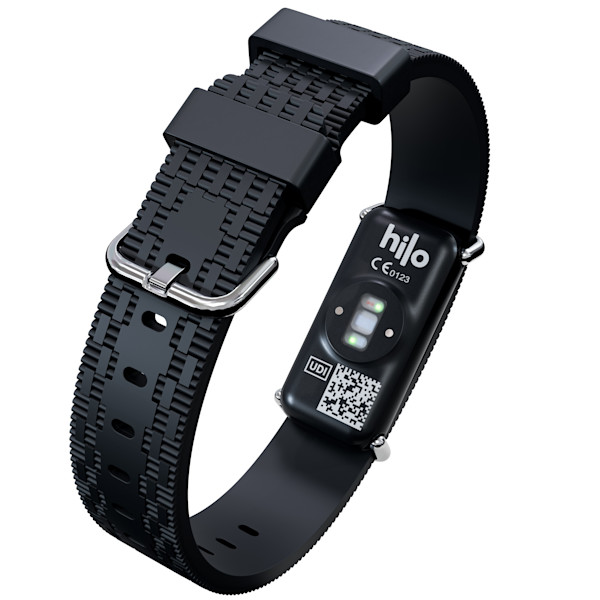
Track your blood pressure continuously, day and night - without an inflatable cuff. Traditional cuffs capture just one moment, if you remember to use them. Hilo takes about 25 readings a day, revealing how stress, meals, and activity affect your blood pressure so you can make informed choices for your wellbeing.
› Shop now
What causes high blood pressure in young adults?
Millennials are less healthy than Gen X members were at the same age, in countries such as the UK and US. Aged between 29-44 years in 2025, Millennials are more likely to face conditions such as high blood pressure, high cholesterol, and type 2 diabetes in their thirties, compared to the generation before them.
High blood pressure (hypertension) occurs when your heart has to pump harder for your blood to pass through narrower blood vessels. This leaves you more vulnerable to potentially life-threatening health issues, such as heart attack or stroke. It also makes you more susceptible to damaging other parts of your body, for example, your kidneys, brain, and eyes.
Some people have a greater chance of having high blood pressure due to factors outside of their control. Having parents with this health condition, being born with a low weight, and having Black African or Black Caribbean heritage are examples of this.
Yet, there are also things within your control. These are the lifestyle factors that are more commonplace among people under 50 than they ever have been before.
A diet high in processed foods
In countries such as the UK and US, the average diet contains far more processed foods than it used to. From fast food to microwave meals, ultra-processed foods (UPFs) are generally high in ingredients that elevate blood pressure.
One study even found that people who eat a lot of UPFs are 23% more likely to develop high blood pressure1.
UPFs are high in:
Salt - too much dietary salt pulls water into your bloodstream, increasing pressure. The average adult consumes over two teaspoons (10.8 grams) a day - more than double what is recommended.
Sugar - high sugar levels cause atherosclerosis, where fatty material builds up in your blood vessels, narrowing them and increasing pressure.
Fat - like sugar, a high saturated fat intake can lead to excess fat in the blood vessels.
If you eat lots of processed foods, you're also probably not getting enough whole grains. These foods - which include unprocessed oats, brown rice, and quinoa - help to lower blood pressure by supplying a mineral called potassium.
UPFs and obesity
A diet including UPFs is also typically high calorie and addictive. As a result, it's a key factor in the ever-increasing obesity rates in the UK and US.
Having high blood pressure is intimately linked with obesity. Excess weight gain raises blood pressure in several ways, affecting hormones, the nervous system, kidneys, and stomach (abdominal) organs.
What about alcohol?
Alcohol can affect the muscles in your blood vessels. Those under 50 are generally drinking less than previous generations, but make no mistake, the amount of alcohol consumed by the average adult is still high.
The more you drink, the higher your chances of developing high blood pressure. This is especially true if you’re over the age of 35. One drink a day can increase your chances. Remember, alcoholic drinks are typically high in calories, which also contributes to excess weight gain - another big factor for high blood pressure.
Seated jobs and indoor hobbies
High blood pressure is also linked with being inactive. So, how much you are moving is also very important.
Generally, younger and middle-aged adults are much less mobile in their daily activities than previous generations. Modern technology and industries are crucial in this.
For example:
Thanks to computers, a great number of us have sedentary desk jobs, meaning we spend most of our time seated.
The cultural shift to working from home also means less of us are walking much at all to reach work.
Technology has also introduced video games, with Millennials the first generation to be introduced to this form of sedentary entertainment from childhood.
Adults of all ages also use cars to get places more than ever before. This means less time walking and cycling - or even running for public transport.
Being physically active not only helps control your blood pressure by aiding healthy weight loss. It also strengthens your heart and reduces stress - all of which is good for blood pressure. Aim for at least 150 minutes - two and a half hours - of moderate intensity exercise a week.
Moderate exercise includes brisk walking, swimming, gardening, light jogging, and tennis playing.
Ongoing stress
There's much about modern life that can stress us out, from work burnout to social media anxiety.
Ongoing stress, common in today's society, can increase blood pressure. When you're stressed for a long time, this sends your nervous system into over-drive. It's thought that this triggers inflammation and causes blood vessels to narrow, so blood can't flow as easily around your body.
The relationship between stress and high blood pressure is complex. As difficult as it may seem, you need to address the route of the issue. This will vary for different people.
Here are some examples:
Addressing burnout
Grounding techniques and mindfulness exercises can help get you through high-pressure days at work. Part of a healthy lifestyle is also about finding a good work-life balance that allows your mind and body time to rest and recuperate.
Addressing the past and harmful mindsets
Sometimes, there may be a particular past event or trauma that needs addressing. Perhaps this has sent you into a spiral of unhelpful, stress-inducing thoughts. This is where therapy can help. This might mean speaking with a professional therapist during cognitive behavioural therapy (CBT), finding stress relief in music therapy, or opening up to the people you love and trust the most.
Forming healthy lifestyle habits
Getting enough sleep, spending time in nature, exercising, and making time for creative hobbies are also tried-and-tested ways that help relieve stress and boost your mood.
Smoking and vaping
Long gone are the days when cigarettes were advertised as healthy status symbols. Yet, smoking hasn't fallen out of favour among younger adults as much as health experts had hoped.
In England, a December 2023 study found that the steady decline in smoking of the last 20 years has nearly ground to a halt since the COVID-19 pandemic. This wasn't due to less people giving up smoking, but to more taking up this dangerous habit for the first time2.
In recent years, a huge cultural trend for e-cigarettes - or vapes - has also raised the alarm among doctors. First welcomed around 20 years ago to help smokers quit, vapes are now also thought to cause life-threatening side-effects.
It's well established that tobacco smoking raises blood pressure, because it makes blood vessels work less efficiently. More recently, studies have shown that the fumes breathed in when vaping have the same effect.
You won't usually have any symptoms if your blood pressure is high. However, even if you feel healthy, high blood pressure is causing potentially life-threatening damage in your body. If you are concerned about your blood pressure or any lifestyle factors that could affect your blood pressure, discuss this with your doctor.
Further reading
Patient picks for Blood pressure
Heart health and blood vessels
Blood pressure: understanding your readings
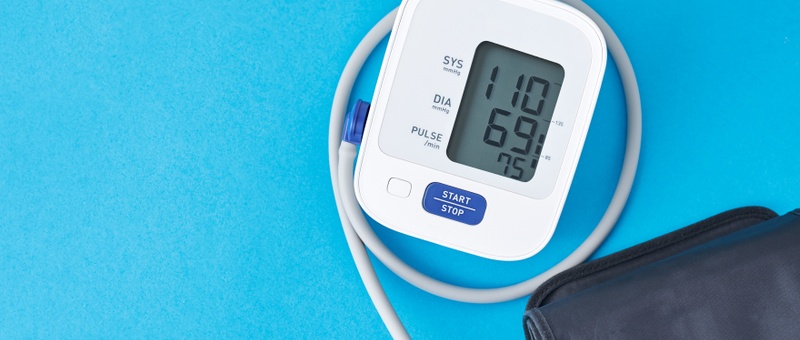
According to the British Heart Foundation (BHF), around 3 in 10 people in the UK have high blood pressure. High blood pressure often goes unnoticed, leaving 5 million adults in the UK unaware that they have it. Checking your blood pressure regularly and understanding your results is crucial for early diagnosis and treatment.
by Victoria Raw
Heart health and blood vessels
DASH diet - healthy eating that helps lower blood pressure
The DASH diet is a heart-healthy diet that lowers blood pressure and cholesterol. Far from being specialist, this eating plan can benefit many people - whether you're looking to improve poor heart health, manage a related condition, or protect yourself against future health problems.
by Lynn Stephen
Frequently asked questions
If high blood pressure usually has no symptoms, how do I know if I have it?
High blood pressure often doesn't show any noticeable symptoms, which is why it can be dangerous as it can cause damage to your body without you realising. The only way to know if you have high blood pressure is to have it checked, typically by a doctor or other healthcare professional.
How much salt is considered too much in my daily diet?
The average adult in the UK and US currently consumes over two teaspoons (10.8 grams) of salt per day. This amount is more than double what is recommended for healthy living, and excessive salt intake contributes to higher blood pressure by causing your body to retain more water in your bloodstream, increasing pressure.
What kind of effect does moderate exercise have on my blood pressure?
Regular moderate exercise helps manage your blood pressure by assisting with healthy weight loss, strengthening your heart, and reducing stress. All of these factors are beneficial for maintaining healthy blood pressure levels. The recommendation is to aim for at least 150 minutes (two and a half hours) of moderate intensity exercise each week.
How does sugar affect my blood pressure?
High levels of sugar in the diet can lead to atherosclerosis. This is a condition where fatty material builds up inside your blood vessels, causing them to narrow. This narrowing in turn increases the pressure at which blood flows through them.
What are some ways to manage stress to help my blood pressure?
Managing stress can include several approaches. Grounding techniques and mindfulness exercises can help during high-pressure times. It's also important to find a good work-life balance to allow for rest and recuperation. For deeper issues, therapies like cognitive behavioural therapy (CBT), music therapy, or openly discussing problems with trusted loved ones can be beneficial. Additionally, healthy habits such as getting enough sleep, spending time in nature, exercising, and pursuing creative hobbies can help relieve stress and improve mood.
About the authorView full bio
Updated by

Lynn Stephen
Content developer
MA (Hons)
Lynn joined Patient in 2023 and her role includes checking all the professional leaflets, patient information leaflets and medicine leaflets, to ensure consistency of spelling, grammar, reference material and brand style, working with the medical authors and clinical director to coordinate the authoring and peer reviewing of the leaflets.
Authored by

Amberley Davis
Senior writer
BA (Hons), CPD
Amberley is a senior writer with Patient and has written extensively on a range of health and wellbeing topics.
About the reviewerView full bio

Dr Colin Tidy, MRCGP
General Practitioner, Medical Author
MBBS, MRCGP, MRCP (Paediatrics), DCH
Dr Colin Tidy is an NHS Doctor, based in Oxfordshire.
Article history
Article also available in English, German, Spanish, French, Italian, Portuguese, Hindi, Hebrew, Arabic, and Swedish.
Next review due: 12 Nov 2028
12 Nov 2025 | Latest version
24 Apr 2024 | Originally published
Authored by:
Amberley Davis
Join the conversation
Share your thoughts or experiences with others in our patient communities.

Ask, share, connect.
Browse discussions, ask questions, and share experiences across hundreds of health topics.

Feeling unwell?
Assess your symptoms online for free
Sign up to the Patient newsletter
Your weekly dose of clear, trustworthy health advice - written to help you feel informed, confident and in control.
By subscribing you accept our Privacy Policy. You can unsubscribe at any time. We never sell your data.