Why vaccinations are so important
Peer reviewed by Dr Colin Tidy, MRCGPLast updated by Dr Sarah JarvisLast updated 7 Feb 2019
Meets Patient’s editorial guidelines
- DownloadDownload
- Share
- Language
- Discussion
- Audio Version
- Add to preferred sources on Google
Along with clean water, immunisations have done more to prevent child death than any public health advance ever - but they're not only for babies. There are vaccines to protect you against the most dangerous infections at every age.
Travel vaccines
As a general rule, if you're travelling anywhere outside Western Europe, USA or Australasia, check to see if you need travel vaccines. Travelling to far-flung locations can be incredibly exciting and rewarding, but it can also expose you to diseases that are less likely to occur at home.
These include:
Insect-borne conditions such as malaria, dengue, yellow fever and Zika virus.
Diseases acquired from eating and drinking, such as hepatitis A and traveller's diarrhoea.
Diseases acquired from others or conditions of poor hygiene, such as hepatitis B and Ebola virus.
Diseases acquired directly from animals, such as rabies.
Remember, vaccination courses need to be planned well in advance. Some vaccinations involve a course of injections at specified intervals. And some vaccinations can't be given together.
Tetanus
I've only once seen a case of tetanus, sometimes called lockjaw, in 30 years as a doctor. That's not because the risk has gone - the germ that causes tetanus is commonly found in soil, and can get into your body through cuts in the skin. It's immunisation that stops it being a daily fear. Every child born today is offered a full course of immunisation against tetanus - three injections in their first year, a pre-school booster at 3½ years old and a teenage booster at 14.
Getting all five immunisations should offer good protection, but in some situations you may be offered a booster. If you're travelling to a foreign country with limited medical facilities, and your last booster was over 10 years ago, your practice nurse (or some pharmacists) can offer you a top-up vaccination. Likewise, if you have a deep wound, or dirt has got into a cut, you may be offered a booster at A&E if your last booster was over a decade ago.
Meningitis
All babies are now offered immunisation against Men B - the germ that causes most cases of meningococcal meningitis and blood poisoning. Since 2013, teenagers have been offered a vaccine that offers protection against Men A, C, W and Y. This is because there's a spike in meningitis among older teenagers.
If they didn't have it at 14, make sure university students get protected.
Whooping cough
Whooping cough, or pertussis, causes a miserable cough in adults that can last for months, but it rarely causes serious complications. In babies, however, it can be very serious and even fatal.
All babies are offered immunisation against whooping cough at 2, 3 and 4 months - but they're vulnerable to catching it until they've had all their injections. In recent years there have been more cases of whooping cough in the UK (it tends to go through cycles with peaks every few years). As a result, all pregnant women are now offered immunisation between 20 and 32 weeks of pregnancy.
The vaccine is completely safe for your baby - it doesn't include any live germs at all. Instead, it contains purified parts of the germ which allow your body to recognise an enemy and make tailored antibodies specific to the pertussis germ. These antibodies pass across the placenta to your baby, providing them with 'passive' immunity. This is enough to protect them until they've had a chance to be immunised themselves.
Shingles
Shingles is caused by the same virus that leads to chickenpox. You don't 'catch' shingles - after you've had chickenpox, the virus lives on in your nervous system for life. It's dormant until it reawakens, possibly when your immune system is weaker (maybe because of stress, getting older or taking medicines that affect your immune system). Shingles causes a painful rash in a strip around one side of your trunk or face. The rash settles within a few weeks but you can be left with distressing nerve pain.
As you get older, your ability to fight off the shingles virus drops, which is why the vaccine is available on the NHS for people over 70. At the moment, a phased roll-out programme is going on to ensure everyone from age 70-80 years old is covered. Once this is completed, everyone will be offered a shingles vaccine around their 70th birthday. If you're in your 70s, your pharmacist can advise whether you're eligible.
Flu
Having other long-term health conditions like heart, lung, kidney or liver problems, or type 2 diabetes, can also make it harder to fight off infection. If you have any of these conditions, or are over 65, you should be offered an annual flu vaccine. That's because people in these groups are at higher risk of serious complications like pneumonia.
Many people who aren't in at risk groups still want to be protected - even though most healthy people will recover completely within a week or two, having flu is still no fun for anyone, especially if you can't afford to be ill because of your job or other commitments. You can still get a vaccine - speak to your pharmacist, who can give you one privately.
Pneumococcal vaccination
People at high risk of flu are also more likely to suffer serious complications from a germ called 'Strep pneumoniae'. You can get a pneumococcal vaccine, which protects against the pneumonia, meningitis and blood poisoning it can cause. Most people only need one immunisation to protect for life, although if you have certain health conditions you may need a booster every five years.
Effective prevention relies on everyone (or nearly everyone) being immune - please encourage your family to get protected!
Patient picks for Vaccinations
Infections
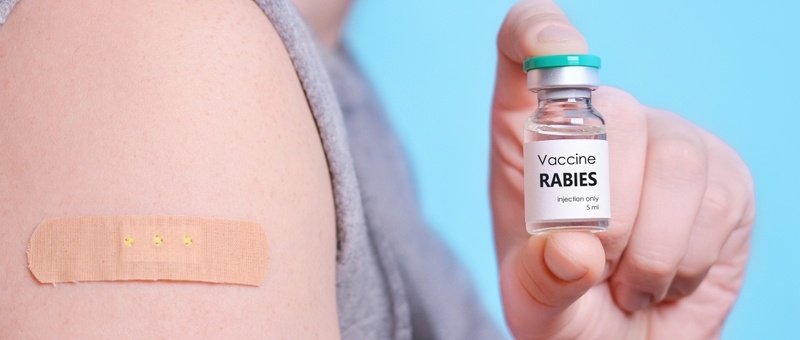
Everything you need to know about the rabies jab
If you are travelling overseas, travel vaccinations against some diseases are compulsory. There is, however, one disease which is usually fatal without prompt treatment and where a pre-travel vaccination is not compulsory: rabies.
by Glynis Kozma
Infections
We ask a GP what to expect after vaccinations
Vaccinations are a routine and highly effective way of protecting adults and children against an array of diseases, and complications or side effects are rare. We ask a GP for advice about what to expect after vaccinations.
by Julian Turner
Frequently asked questions
What is the key difference between diseases acquired from eating/drinking and those from poor hygiene?
Diseases acquired from eating and drinking, such as hepatitis A and traveller's diarrhoea, typically result from consuming contaminated food or water. Diseases linked to poor hygiene, like hepatitis B and Ebola virus, are often spread through direct contact with infected bodily fluids or contaminated environments.
Why are some vaccinations unable to be given simultaneously?
Some vaccinations cannot be given together because they may interfere with each other's effectiveness or could potentially increase the likelihood of side effects if administered at the same time. This is why careful planning is needed for vaccination courses, especially for travel.
Can adults get the meningitis vaccine if they missed it as a teenager?
Yes, if university students or young adults missed their Men A, C, W and Y vaccine at 14, they should still get protected. This is particularly important for this age group due to a recorded increase in meningitis cases among older teenagers.
How does the whooping cough vaccine given during pregnancy protect the baby?
The whooping cough vaccine given to pregnant women works by stimulating the mother's body to create specific antibodies against the pertussis germ. These protective antibodies then pass across the placenta to the baby, providing them with 'passive immunity' until they are old enough to receive their own immunisations.
If I've had chickenpox, does that mean I'm immune to shingles?
Having had chickenpox means the virus remains dormant in your nervous system for life. Shingles is caused by the reactivation of this same virus, usually when your immune system is weaker due to factors like stress, age, or certain medications. So, having had chickenpox doesn't grant immunity to shingles; it's a prerequisite for developing it.
If I am not in a high-risk group, can I still get a flu vaccine?
Yes, if you're not in a high-risk group but still wish to be protected from the flu (e.g., due to work or other commitments that make being ill inconvenient), you can still get a vaccine. You should speak to your pharmacist, who can administer it to you privately.
Who needs a booster for the pneumococcal vaccine, and how often?
While most people only need one pneumococcal immunisation for lifetime protection, those with particular health conditions may require a booster every five years. This is to ensure continued protection against serious complications like pneumonia, meningitis, and blood poisoning caused by 'Strep pneumoniae'.
About the authorView full bio

Dr Sarah Jarvis
Clinical Consultant
MA (Cantab), BM, BCh (Oxon), DRCOG, FRCGP, MBE
After training in medicine at Cambridge and Oxford, Dr Sarah Jarvis MBE became a GP.
About the reviewerView full bio

Dr Colin Tidy, MRCGP
General Practitioner, Medical Author
MBBS, MRCGP, MRCP (Paediatrics), DCH
Dr Colin Tidy is an NHS Doctor, based in Oxfordshire.
Article history
The information on this page is peer reviewed by qualified clinicians.
Article also available in English, German, Spanish, French, Italian, Portuguese, Hindi, Hebrew, Arabic, and Swedish.
7 Feb 2019 | Latest version
7 Feb 2019 | Originally published
Join the conversation
Share your thoughts or experiences with others in our patient communities.

Ask, share, connect.
Browse discussions, ask questions, and share experiences across hundreds of health topics.

Feeling unwell?
Assess your symptoms online for free
Sign up to the Patient newsletter
Your weekly dose of clear, trustworthy health advice - written to help you feel informed, confident and in control.
By subscribing you accept our Privacy Policy. You can unsubscribe at any time. We never sell your data.
More in infections
- Dispelling common myths about HIV and AIDS
- Do you need to worry about tick-borne encephalitis?
- Does the flu jab make you immune to flu?
- How to tell the differences between winter viruses in kids
- How universities promote meningitis vaccinations
- I regret not getting the flu jab
- Meningitis videos
- Oral sex: what you need to know to stay healthy
- Parents urged to vaccinate children as UK loses measles-free status
- Pee yourself laughing? How stand-up comedy can tackle incontinence
- Rise in scabies cases across the UK
- Should you and your family get the meningitis vaccination?
- Stigma of HIV and representations in the media
- Swine flu in the UK: What are the symptoms of the new strain?
- Vaccination myths you need to stop believing
- What is HMPV and should we be worried?
- When should I get my flu vaccine?
- Why do kids need the flu jab?
- Why has there been an increase of hepatitis in children?
- Why isn't the chickenpox vaccine available on the NHS?